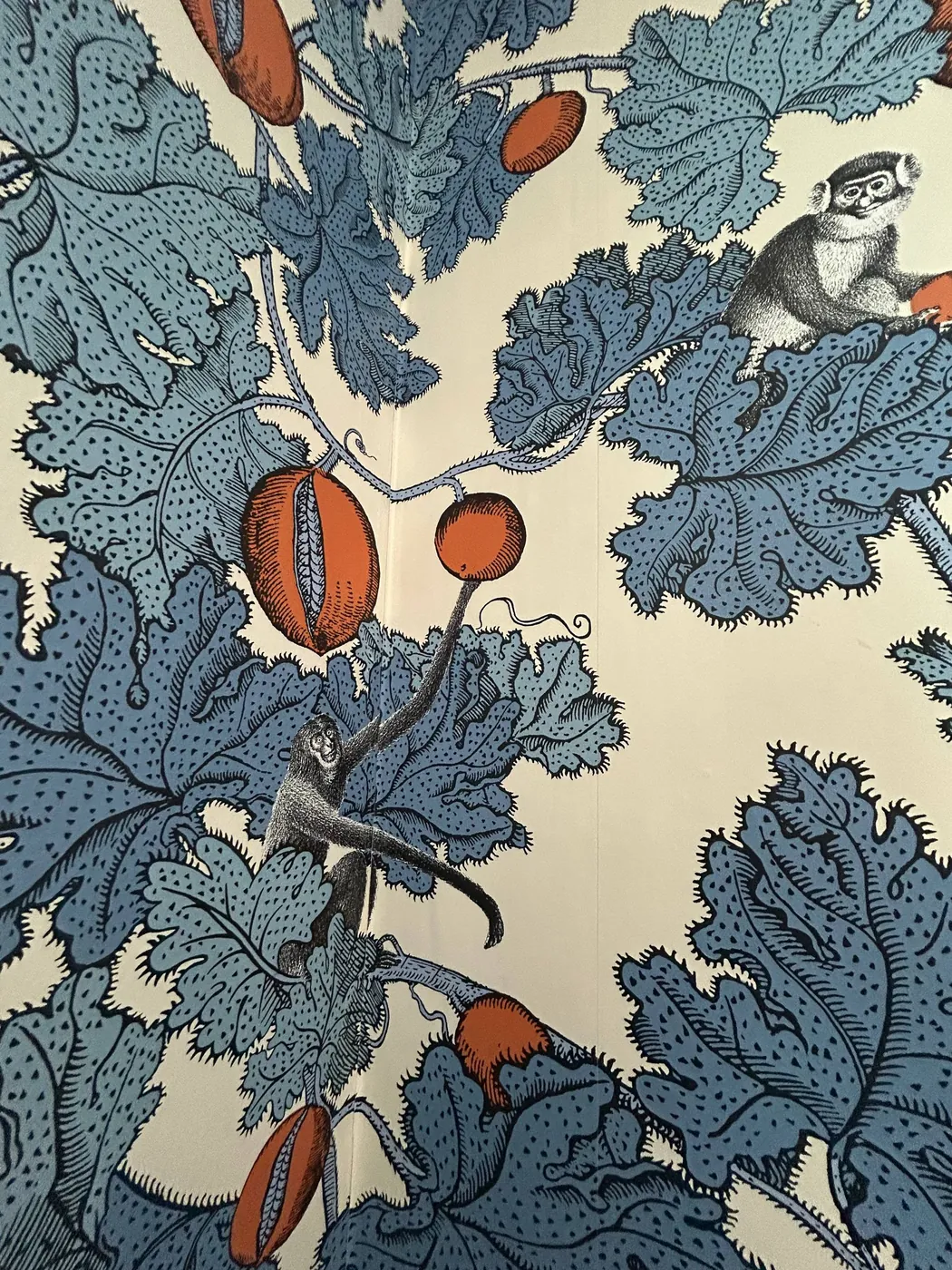
Seams are where a wallpaper job is judged. A good seam is a line you have to look for; a bad one opens, curls or shows white within weeks.
We reply within 30 minutes: call, text or WhatsApp
Seams show for four main reasons: the wall was not primed, the paper shrank as it dried, the edges were not rolled down, or the pattern was not matched. Installers prevent this with a wallcovering primer, butting edges together without overlap, rolling every seam with a seam roller, wiping paste off immediately and, on some papers, double cutting. A lifting seam can usually be fixed with seam adhesive and a roller; a gap or a seam that shows white needs a careful touch-up or a patch.
Written by our installers from jobs we do every week. Prefer not to do it yourself? Send photos and we quote the job, usually within hours.
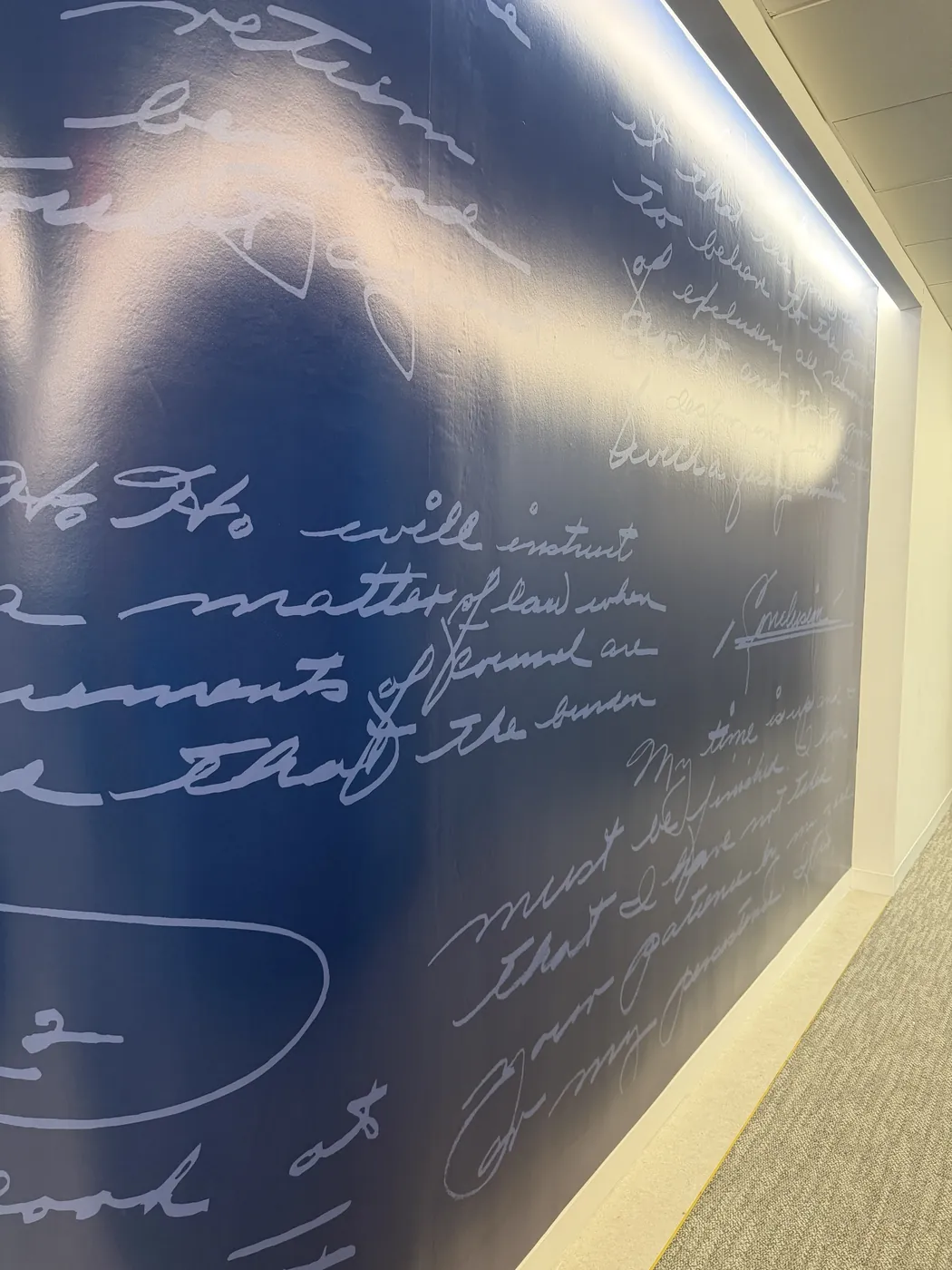
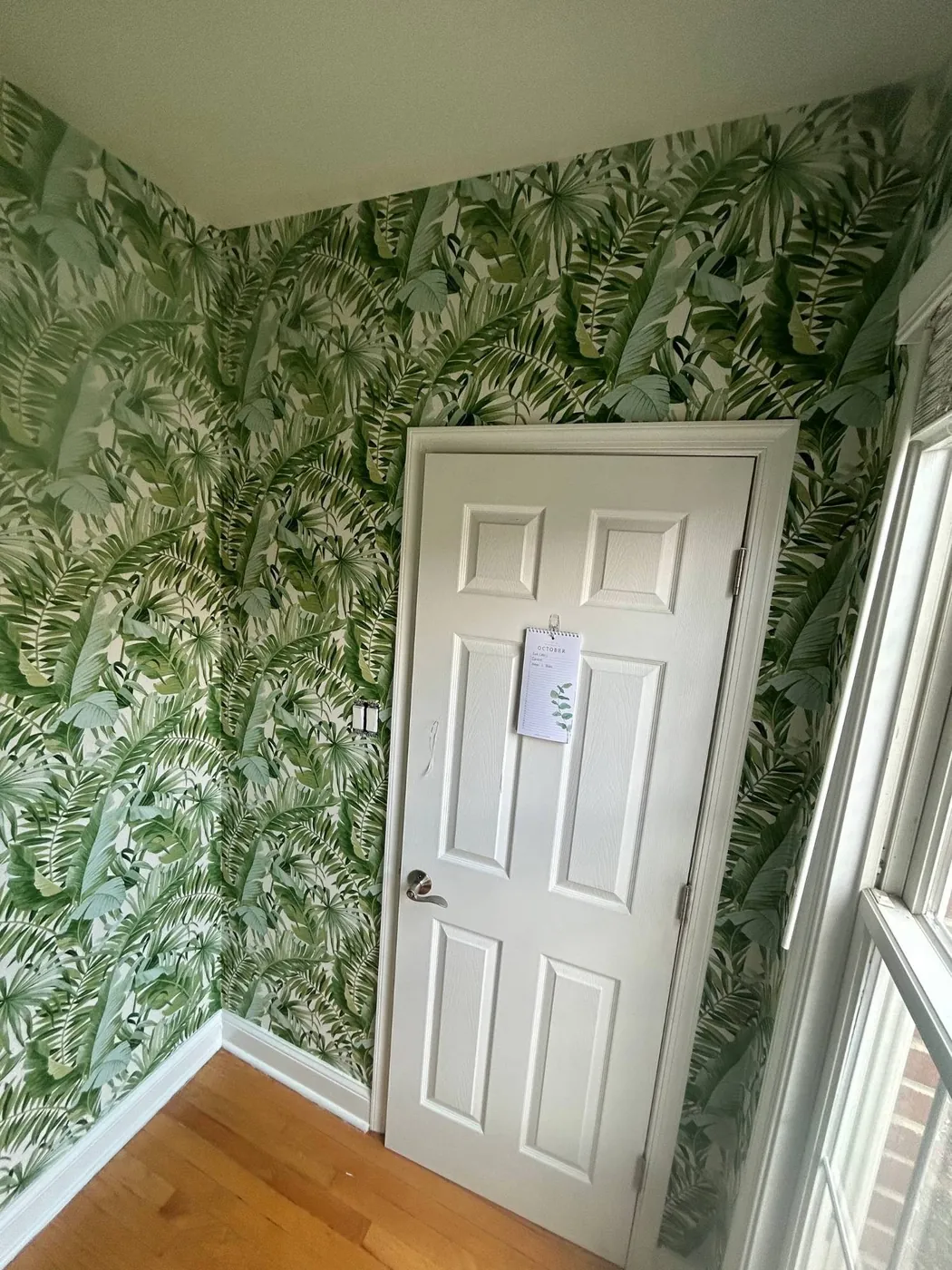
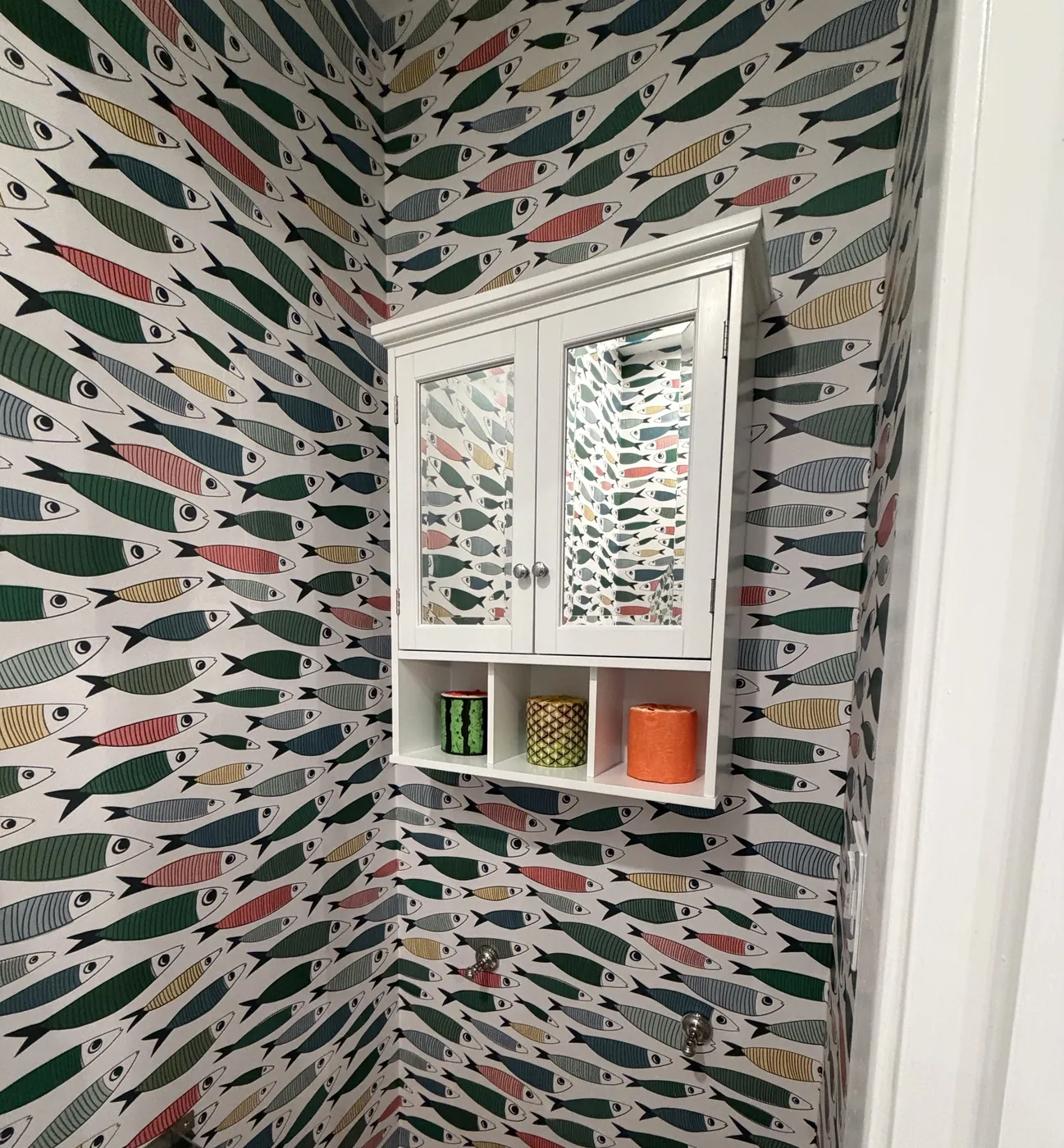
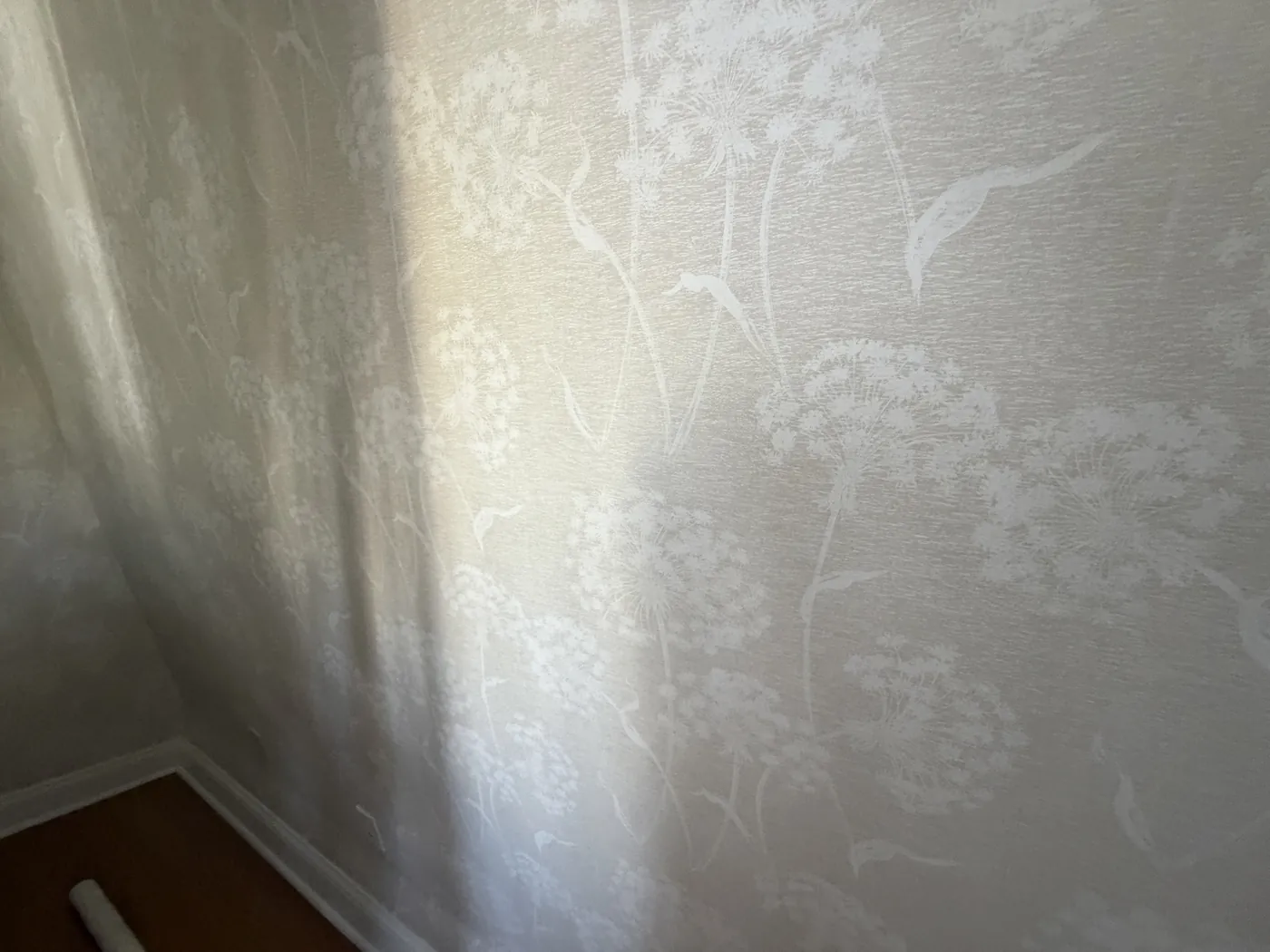
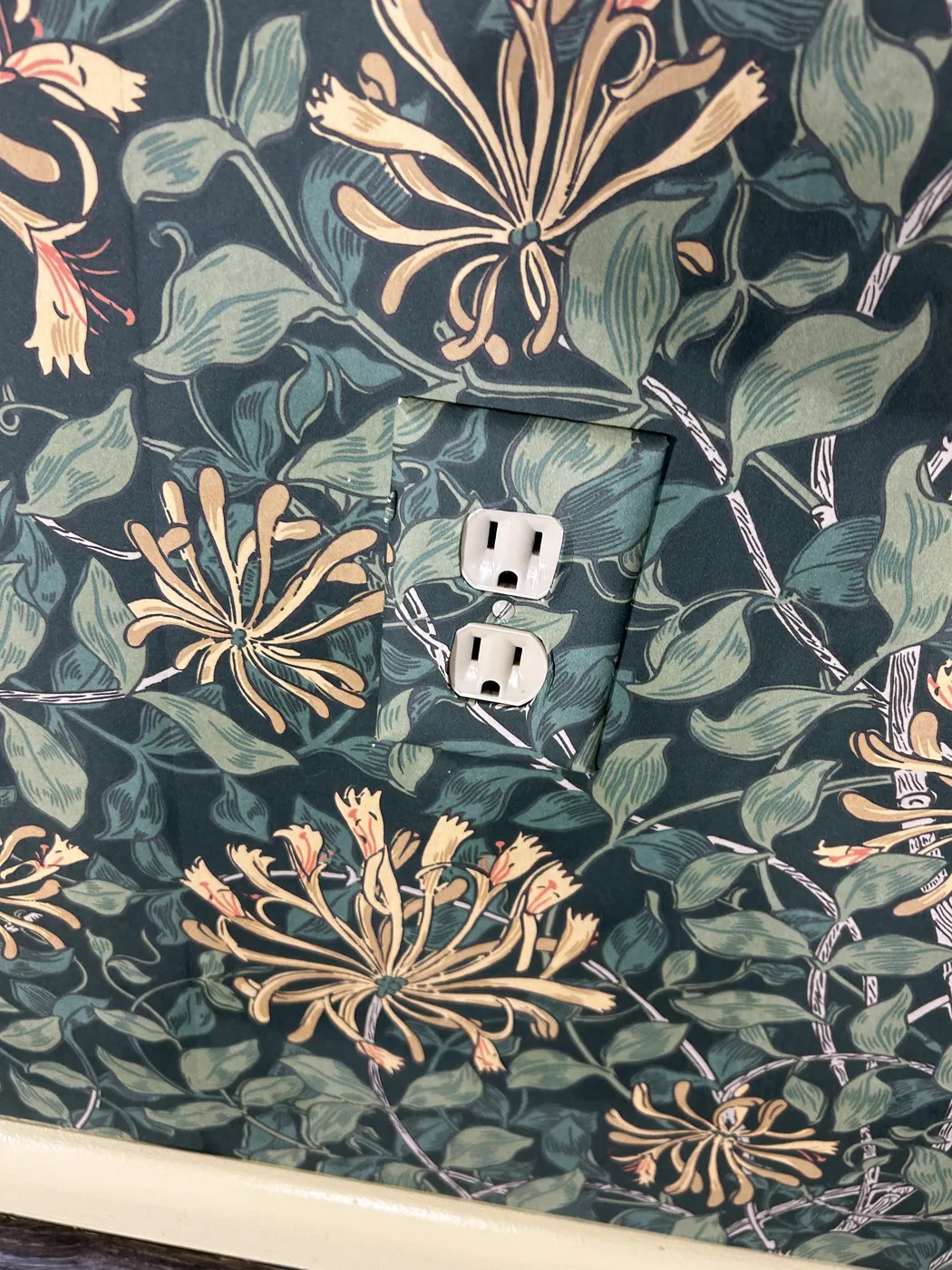
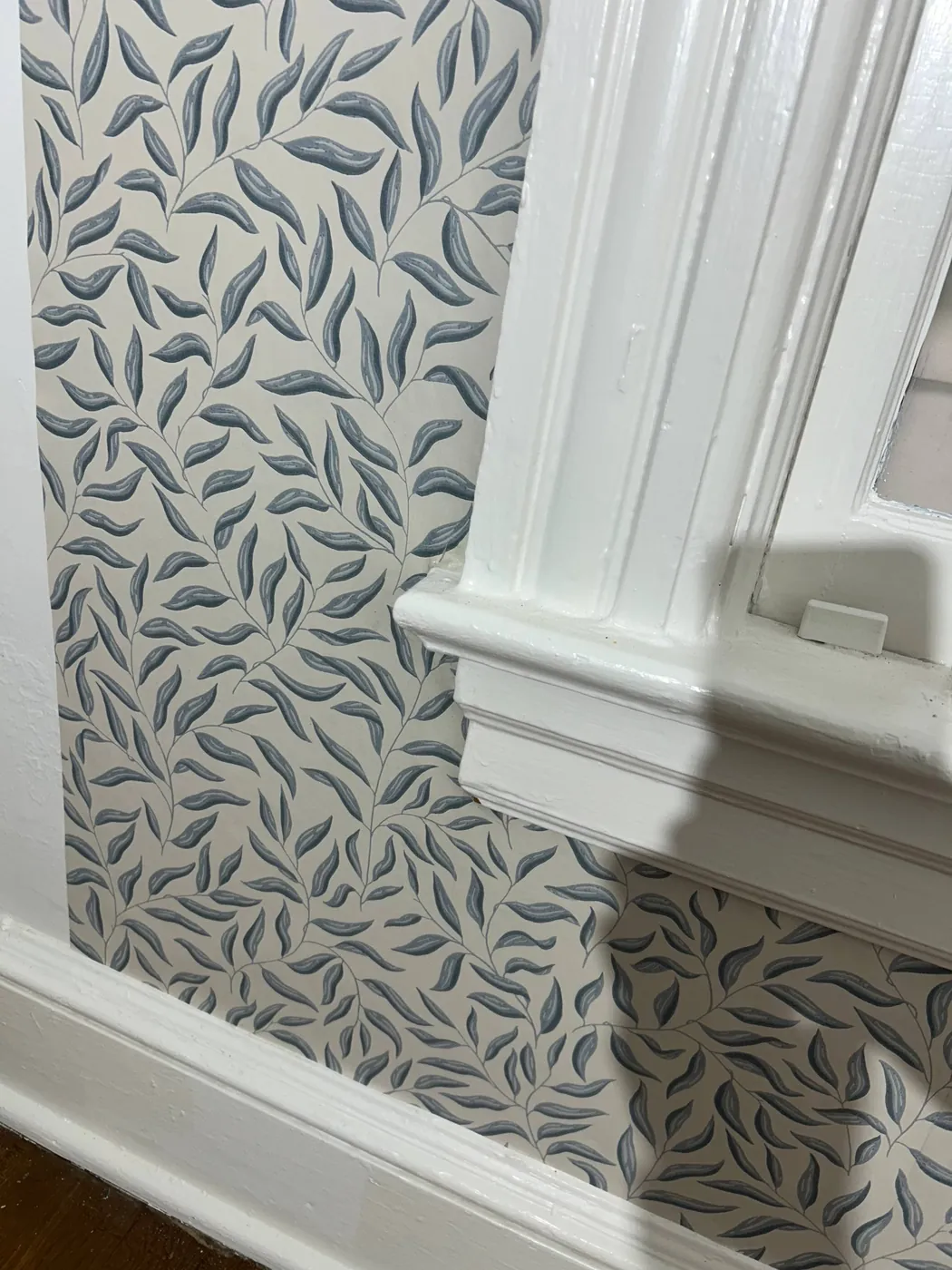
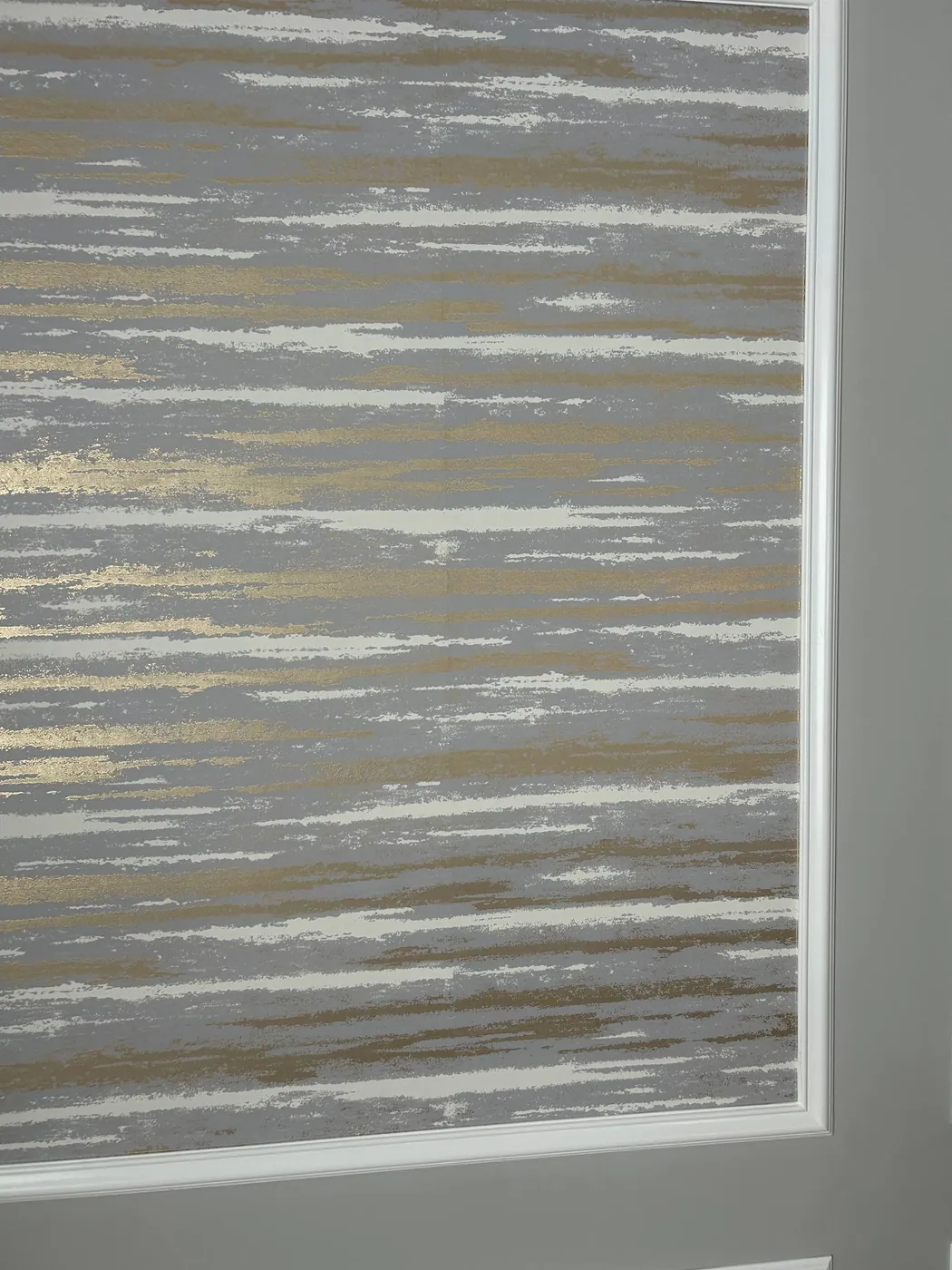
Close-ups from our own jobs. The pattern runs straight through the seam, and on dark murals the edges are finished so no white paper shows.
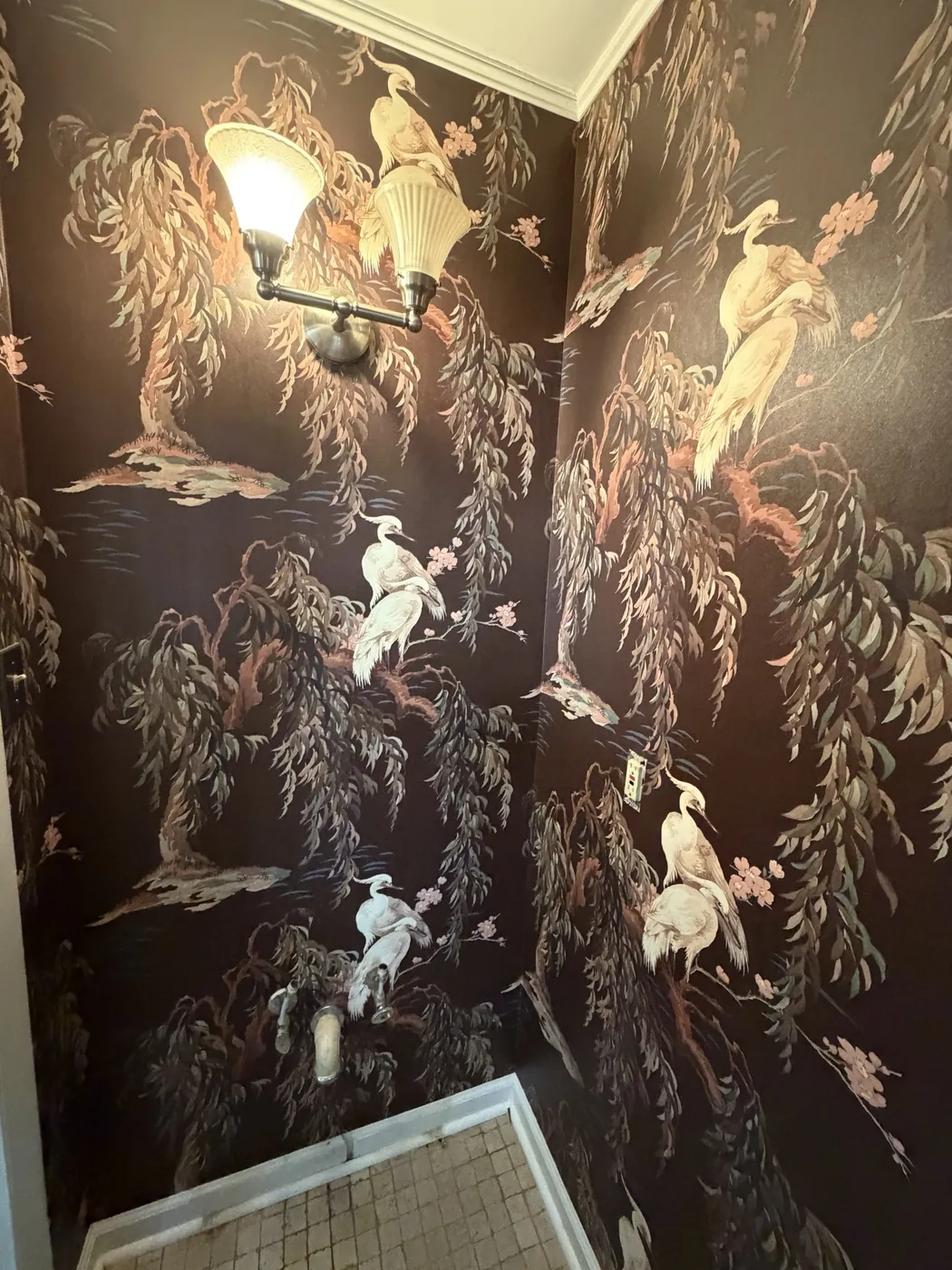
Corners are where a careless match shows first. The pattern is carried across both walls.
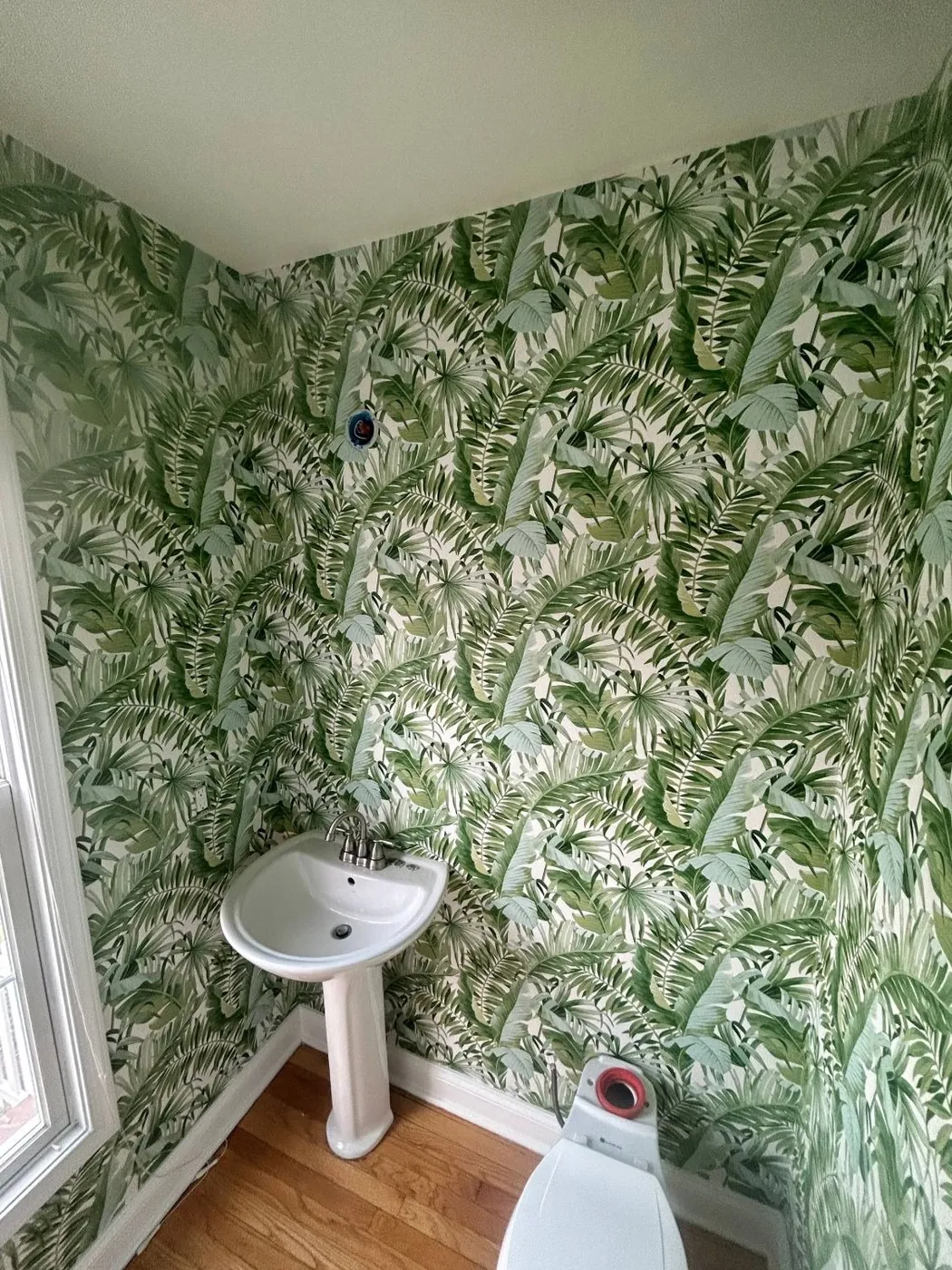
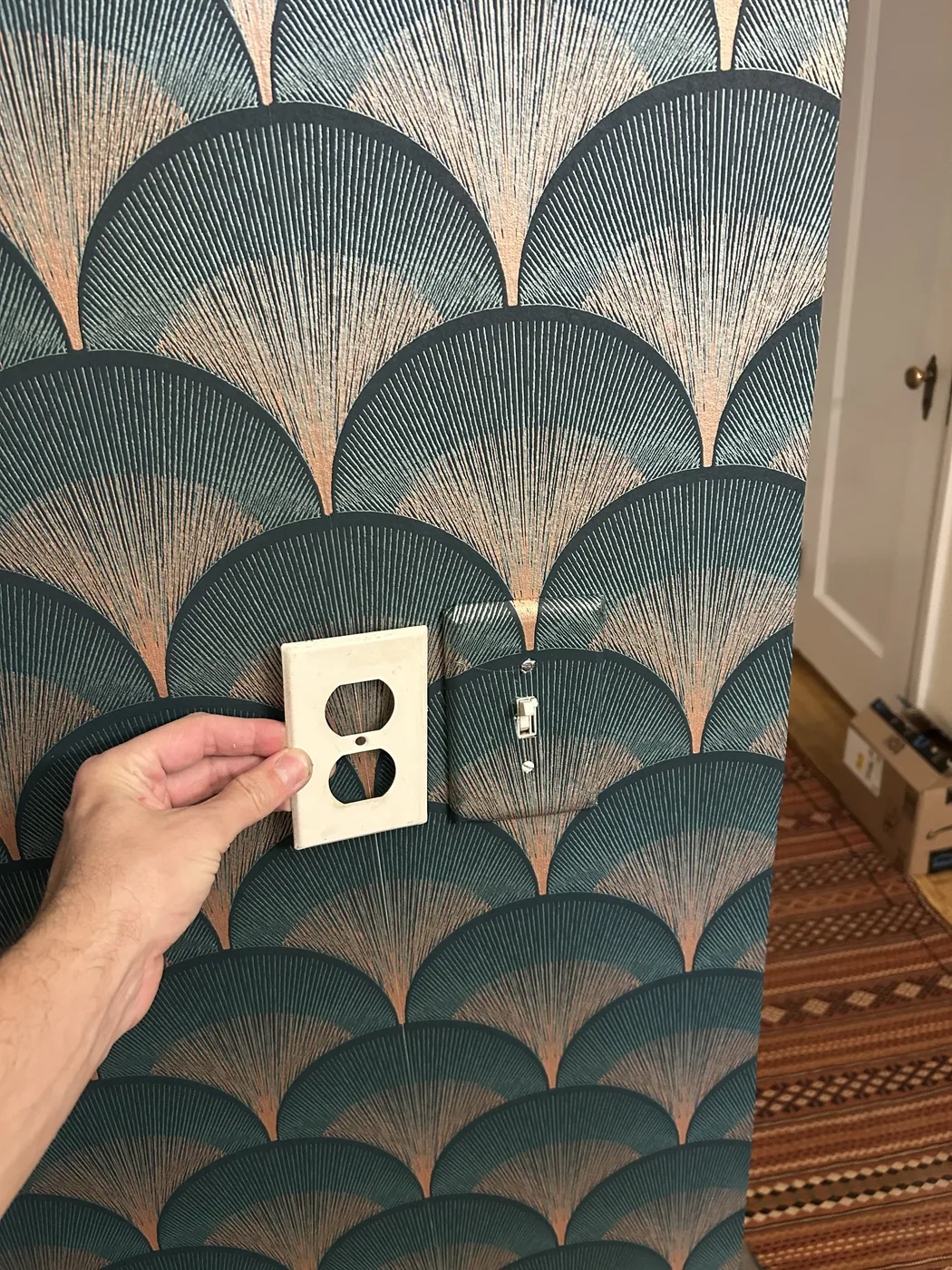
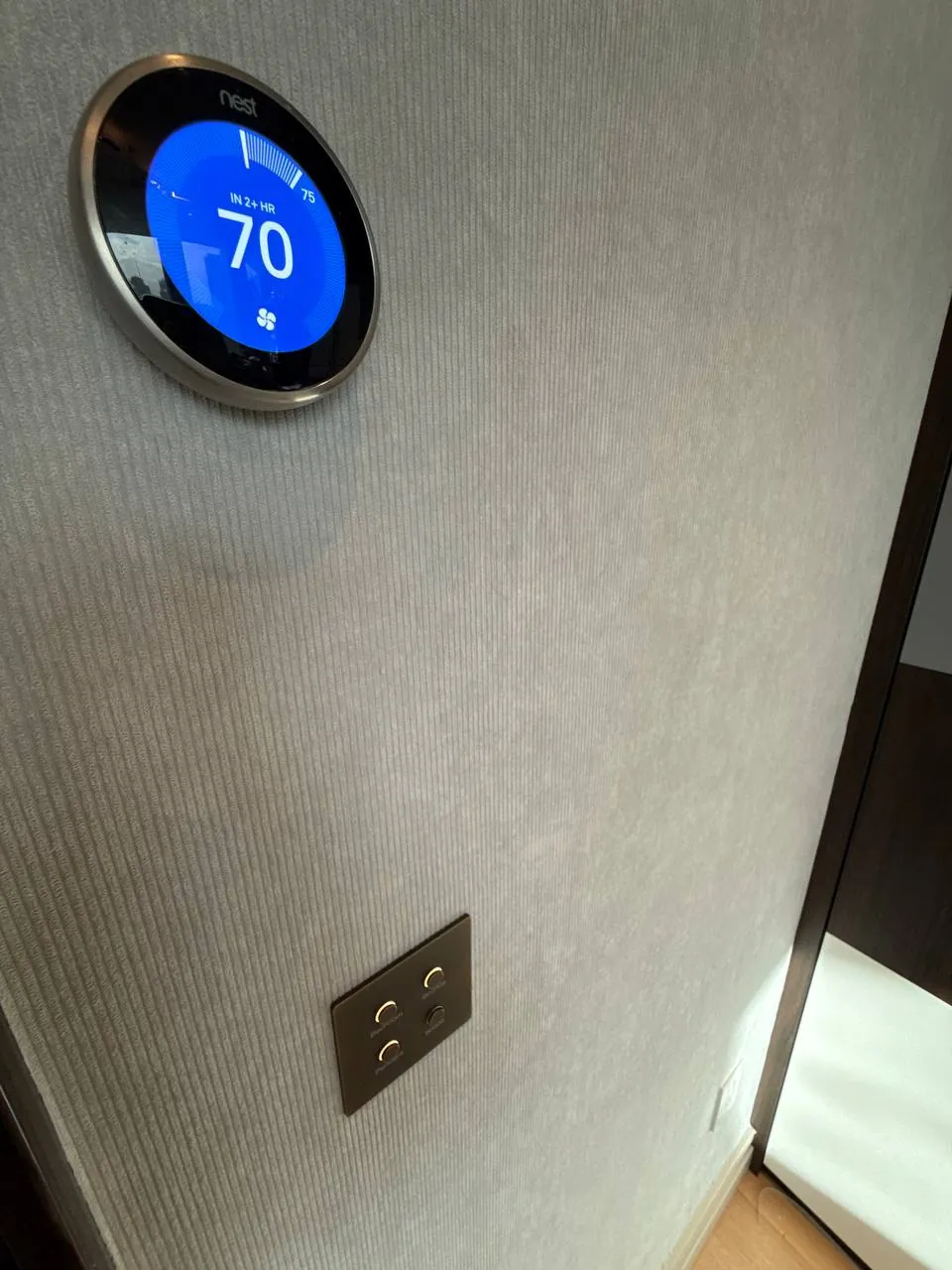
Tight trimming around plates, thermostats and casings, with the pattern continued onto the cover where it helps.
On bare or porous walls the paste soaks in, the paper shrinks as it dries and the seams pull apart.
Each seam needs a seam roller pass. Edges left unrolled dry slightly raised and catch the light.
Most papers are butted edge to edge. An overlap leaves a ridge that shows on every wall.
Dry edges lift; paste squeezed onto the face leaves shiny lines once it dries.
Pulling a wet drop to make it line up stretches it, and it shrinks back into a gap.
Grasscloth and some hand-made papers always show their seams a little. That is the material, not a defect.
| What you see | Usual cause | Fix |
|---|---|---|
| Edge lifting or curling | Dry edge, no primer, humidity | Seam adhesive under the edge, roll flat, wipe clean |
| Thin white gap | Paper shrank or was stretched | Color the wall edge to match, or patch the drop |
| Raised ridge | Overlapped seam | Double cut through both layers and re-roll |
| Shiny line | Paste left on the face | Wipe gently with clean warm water; some marks are permanent on matte papers |
| Pattern does not line up | Drop hung out of sequence or off-match | Re-hang the drop; there is no invisible fix |
| Seams opening in a bathroom | Steam and no ventilation | Re-glue with seam adhesive; fix the ventilation first |
See how to patch wallpaper, wallpaper repair, grasscloth seams and shading, primer and paste and pattern repeat and match.
Selected projects from our portfolio. See all projects.
New York City, Long Island, Westchester County and northern New Jersey: Manhattan, Brooklyn, Long Island, The Hamptons, Westchester, Hoboken, Montclair.
Usually because the paper shrank on an unprimed wall, the edges were not rolled, the seams were overlapped or paste dried on the face. On grasscloth, visible seams are normal.
Put a thin line of seam adhesive under the edge, press it flat with a seam roller and wipe off any adhesive on the face right away.
A seam adhesive (seam repair glue). It is stronger and tackier than standard wallpaper paste, so it holds edges that have already lifted.
On most printed papers, yes: primer, butted edges, careful pattern match, rolling and clean paste work make seams very hard to see. Grasscloth and some hand-made papers always show their seams a little.
No, for almost all modern papers. Seams are butted edge to edge. Overlaps are only used in a few special cases and are then double cut.
Yes, if the paper is otherwise sound. Lifting seams can be re-glued; torn or faded areas may need a patch from leftover paper.
Ready to start your project? Call, text or WhatsApp photos for a fast, free estimate. We reply within 30 minutes.
 ProKir