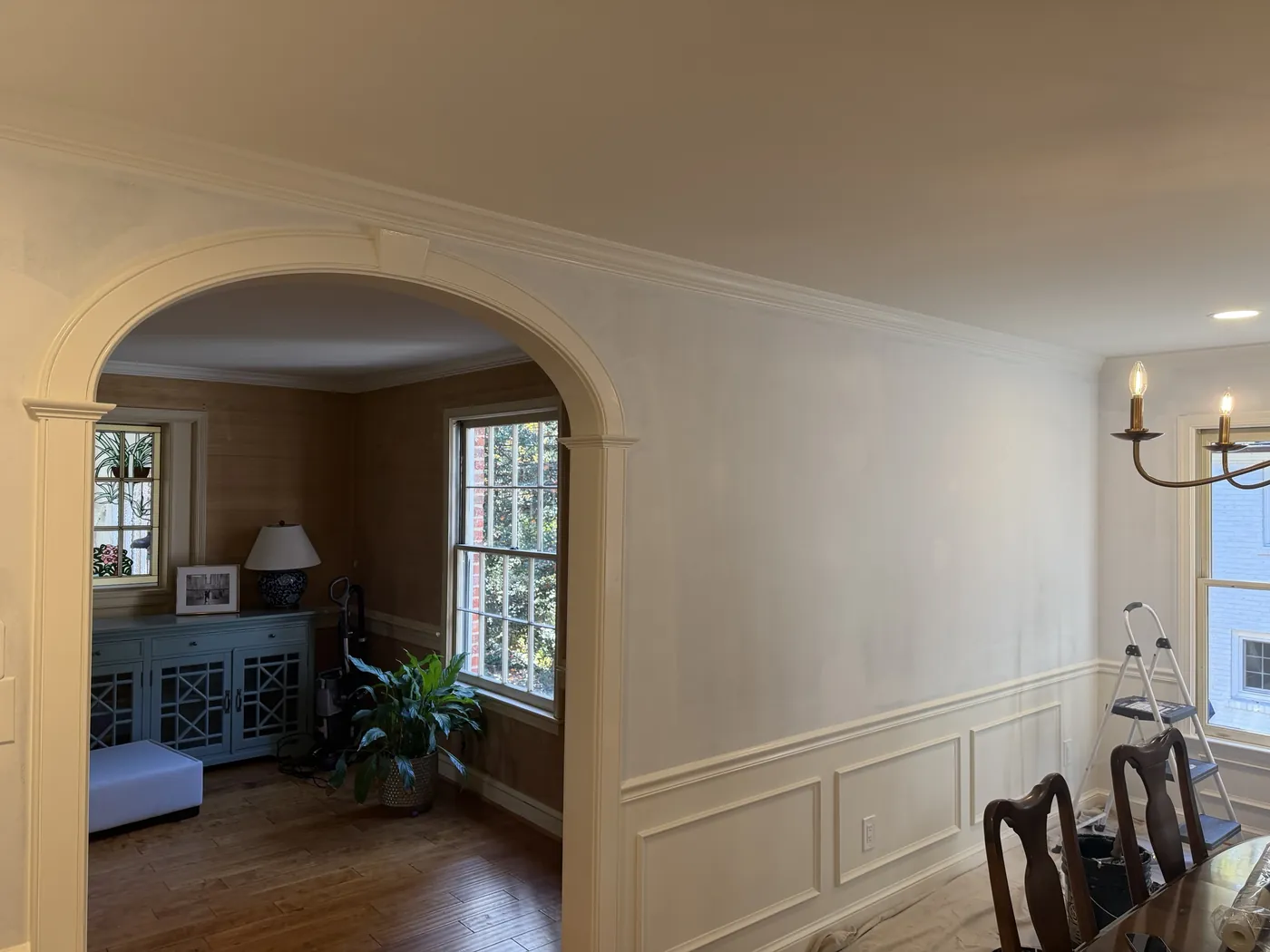
Paint on top of wallpaper seals it, so the usual soak-and-scrape does nothing. The trick is to get water or steam through the paint film first, then work slowly.
We reply within 30 minutes: call, text or WhatsApp
Break the paint film first, then steam. Score the wall more thoroughly than you would bare paper (still with light pressure), spray hot water or remover into the cuts, and hold a wallpaper steamer on each section for 20 to 40 seconds before scraping at a low angle. Expect it to take two to three times longer than ordinary paper, and expect some wall repair afterwards, because painted paper often takes the drywall face with it.
Written by our installers from jobs we do every week. Prefer not to do it yourself? Send photos and we quote the job, usually within hours.
Latex and especially oil paint stop water from reaching the paste, so spraying alone just runs down the wall.
Older apartments often have two or three coats of paint, or paper on top of paper. Each layer slows the job.
Paper that was painted over was often hung in a hurry, straight onto bare drywall. That paper bonds to the drywall face.
Faint vertical lines every 20 to 27 inches, or a bubble that sounds hollow, usually mean paper under the paint.
In buildings from before 1978 the paint may contain lead. Don't sand or dry-scrape; consider a test kit or a certified pro first.
If the paper is tight and the wall is going to be painted again, sealing and skimming over it can be the cheaper honest answer.
| Method | When it works | Watch out for |
|---|---|---|
| Score + hot water or remover | One thin coat of latex paint over traditional paper | Water can't soak in where scoring is too light |
| Score + steamer | Most painted walls, the method we use | Too long in one spot softens drywall and plaster |
| Peel the face dry first | Painted vinyl or peelable paper | Only the top layer comes off; the backing still needs soaking |
| Sanding | Not recommended | Dust, possible lead, and it cuts into the wall |
| Skim coat over it | Tight paper that will be painted, not re-papered | Seal with oil or shellac primer first or it bubbles |
See also how to remove wallpaper (all types), removing painted-over wallpaper, removing wallpaper from drywall, removing wallpaper glue, our wallpaper removal service and the pricing guide. Thinking of just painting? See painting over wallpaper.
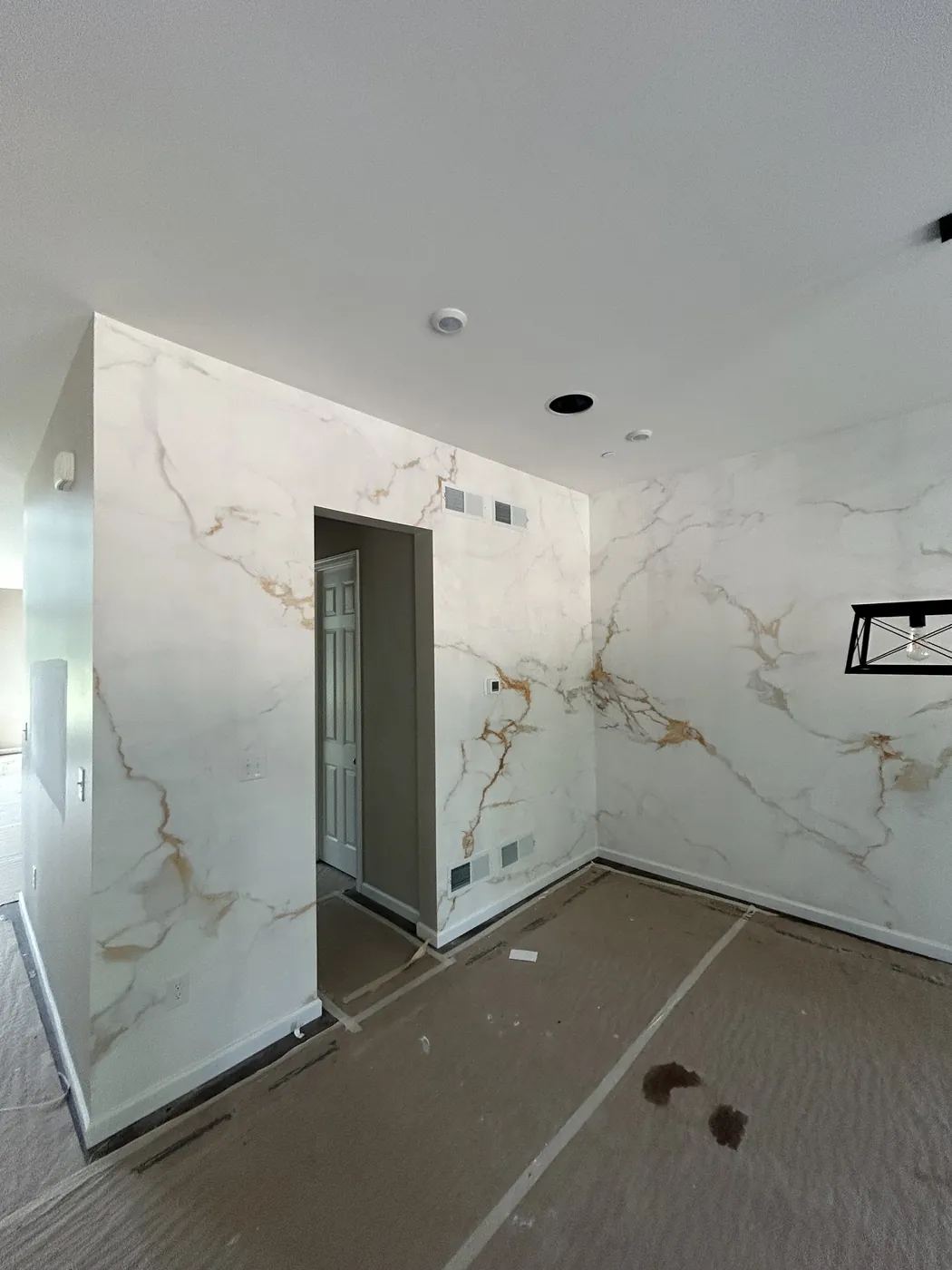
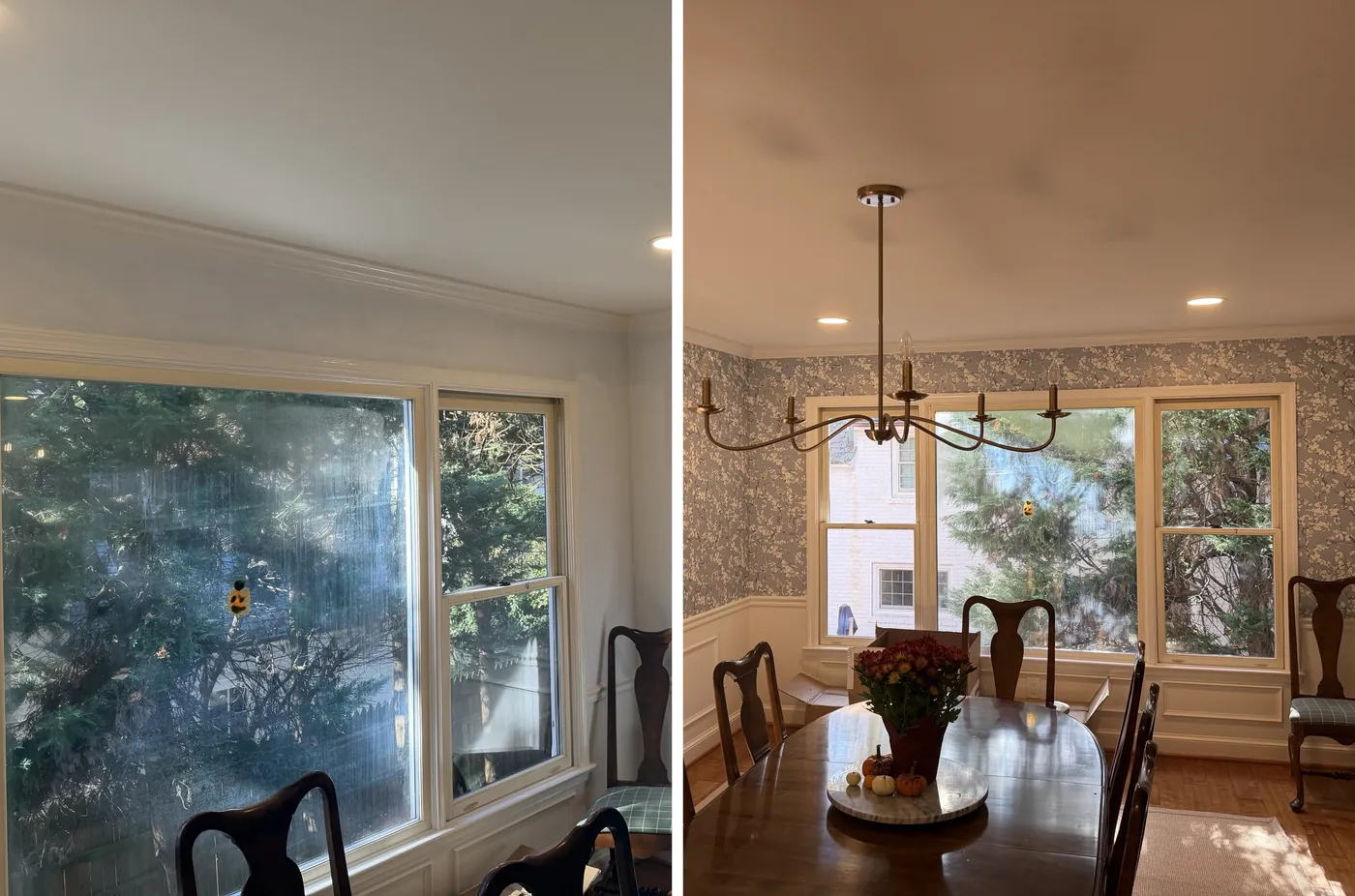
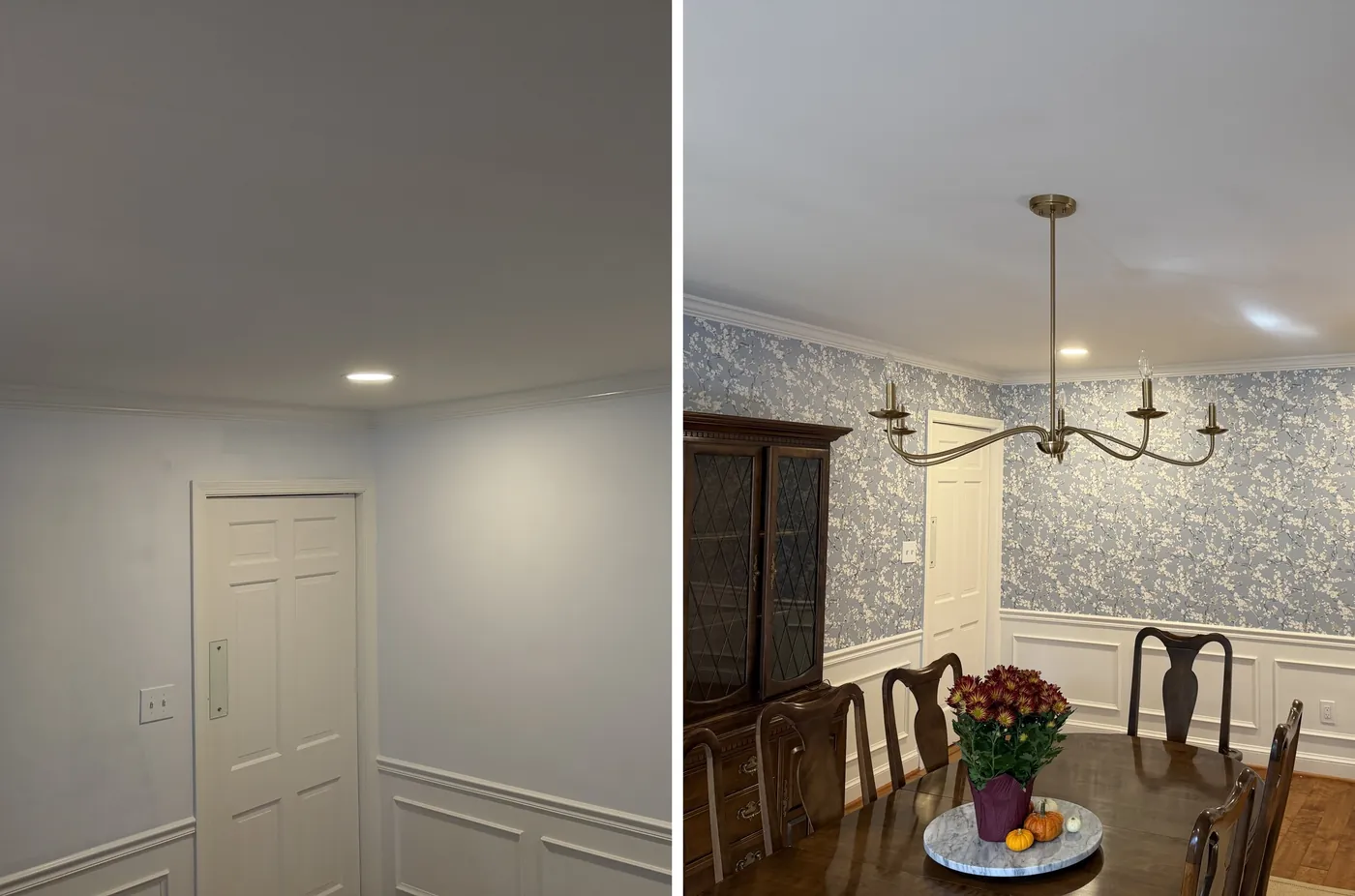
Selected projects from our portfolio. See all projects.
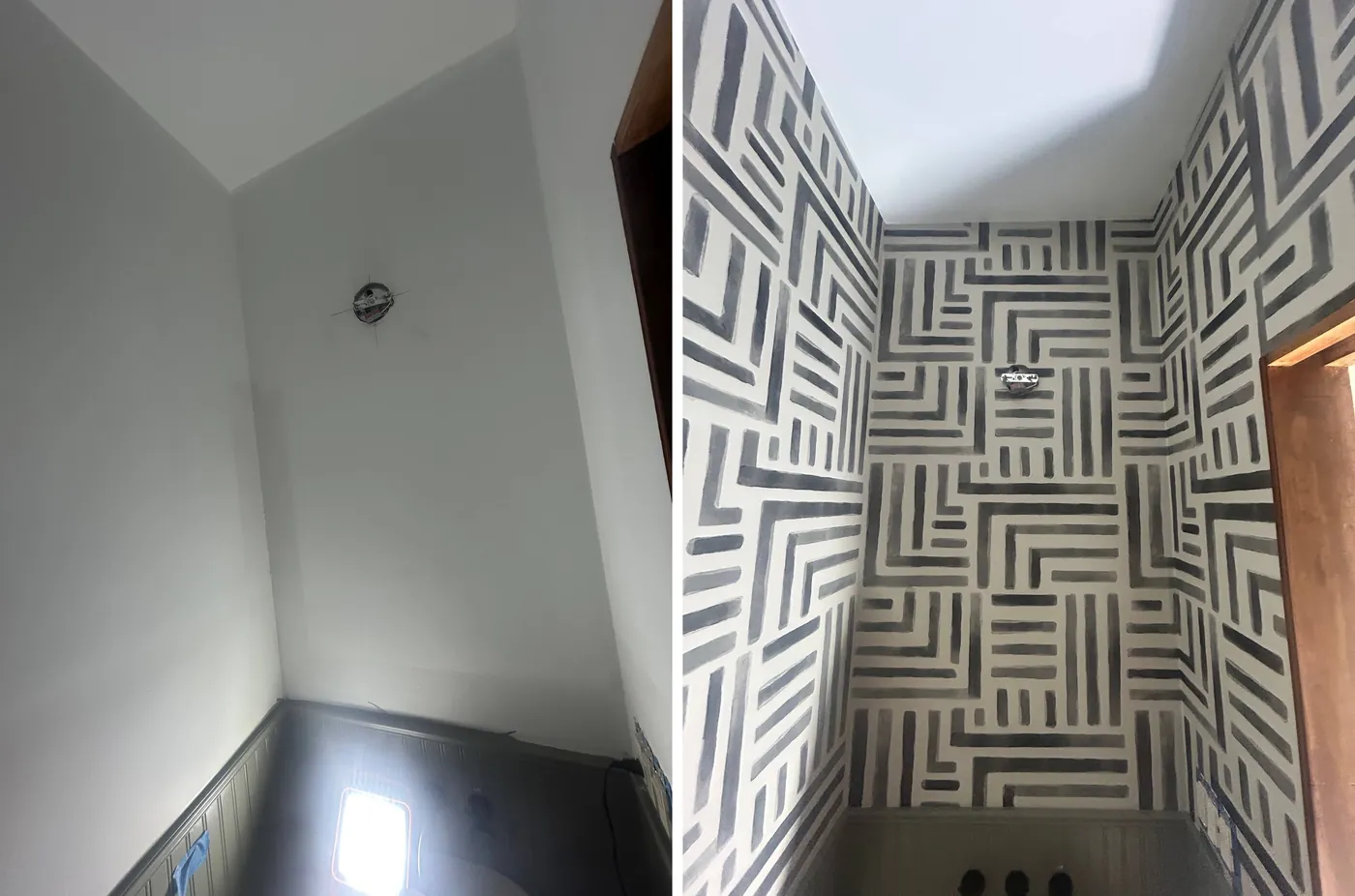
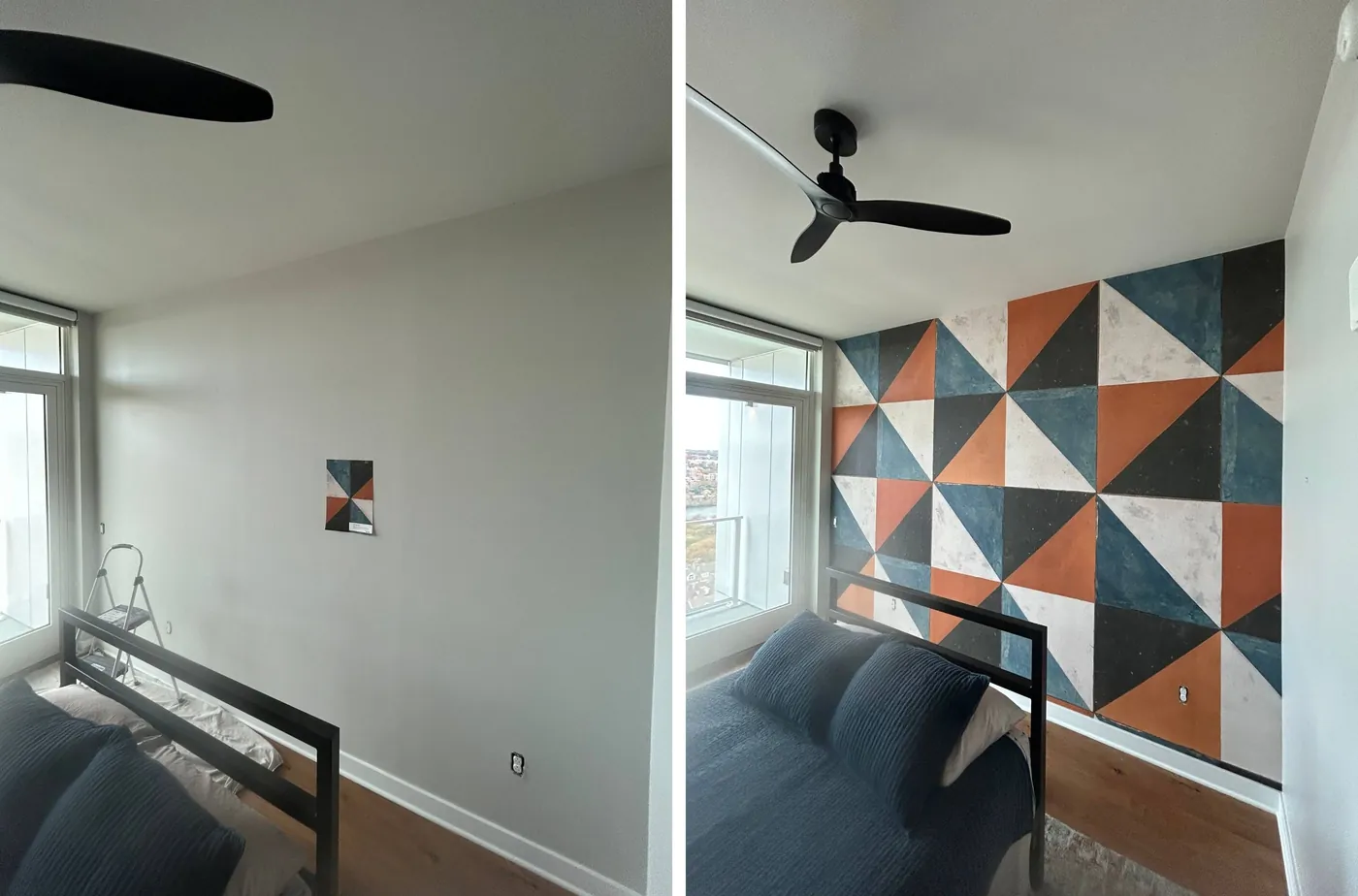
New York City, Long Island, Westchester County and northern New Jersey: Manhattan, Brooklyn, Long Island, The Hamptons, Westchester, Hoboken, Montclair.
Yes. You need to break through the paint so water and steam can reach the paste: score the wall, wet it, steam it, then scrape. It is slower than ordinary removal and usually needs some wall repair.
Scoring plus a wallpaper steamer. Remover solutions help on one thin coat of paint, but on several coats only steam gets through reliably.
Often a little. Painted paper hung on unprimed drywall pulls the drywall face off in spots. That is fixed by sealing the torn areas and skim coating.
If the paper is tight with no bubbles or loose seams, yes: seal it with an oil-based or shellac primer, skim the seams and paint. If you want new wallpaper, remove it.
Look for straight vertical lines every 20 to 27 inches, small bubbles, or an edge lifting at a corner or behind a switch plate.
We charge from $4 per square foot for painted-over or unprimed paper, plus $2 to $5 per square foot if the wall needs a skim coat afterwards.
Ready to start your project? Call, text or WhatsApp photos for a fast, free estimate. We reply within 30 minutes.
 ProKir