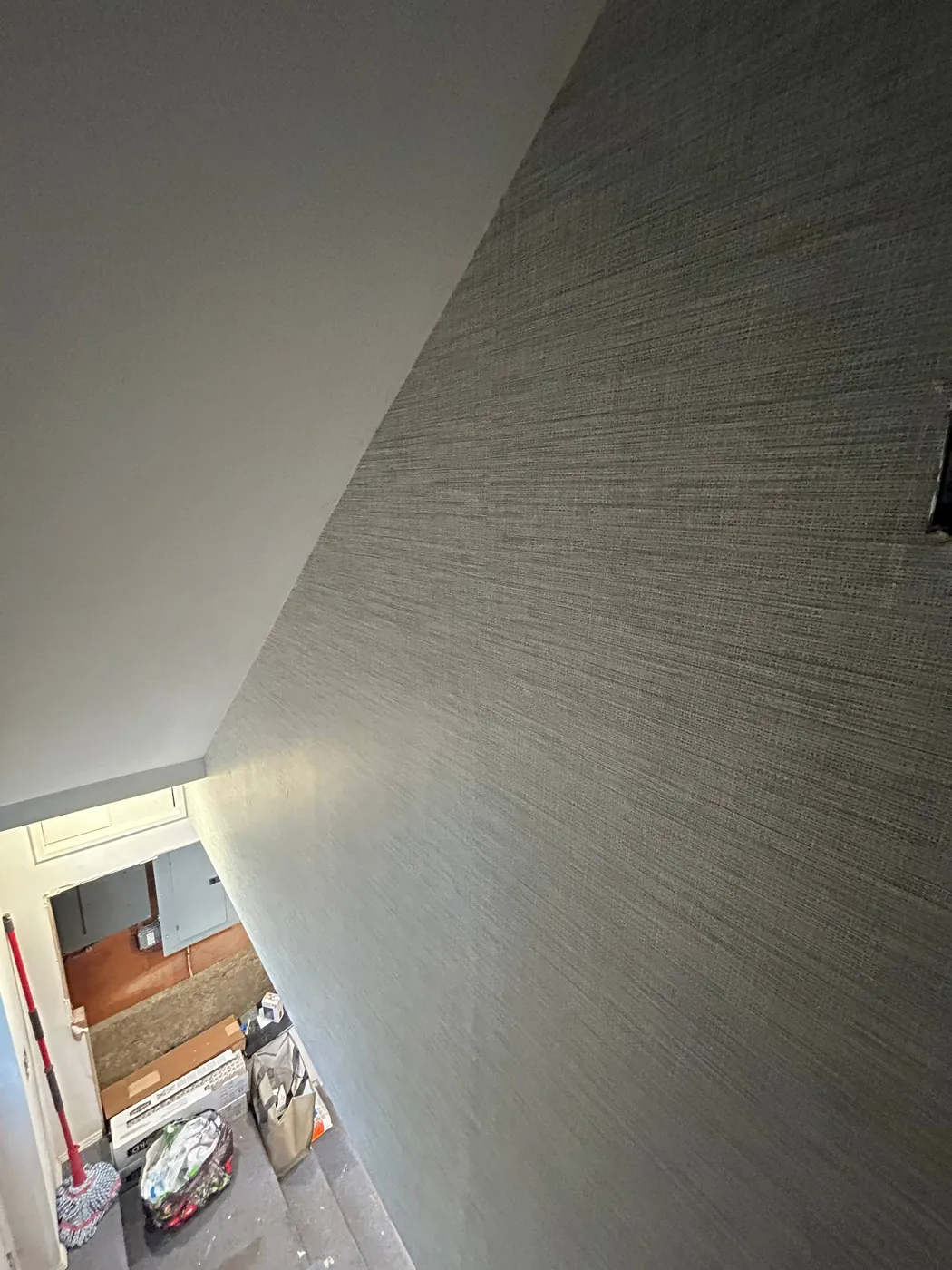
Grasscloth is woven from natural fibers, so no two panels look exactly alike. Some seams and shading come with the material; other problems come from how it was hung.
We reply within 30 minutes: call, text or WhatsApp
Visible seams and slight color changes from panel to panel are normal for natural grasscloth, and most makers say so on the label. The fibers are dyed and woven by hand, so each panel reads a little differently and the eye picks up the seam. What is not normal: gaps, overlaps, paste stains, lifting edges or one panel that is clearly a different color, which usually means mixed batches or panels hung out of order.
We hang natural grasscloth, sisal and raffia. Send the product name and photos of the walls for a quote.
Grasscloth does not pattern-match, so each seam shows as a soft line. From a few steps back, the wall should read as even panels.
Natural fibers take dye unevenly. Slight light-dark variation is part of the look.
Seams should butt tightly. Gaps show the wall; overlaps leave a ridge.
Paste on the face of grasscloth leaves dark marks that usually cannot be removed.
A strong color jump usually means a different batch or a panel taken out of sequence.
Seams opening after a few weeks point to wrong paste, poor primer or a damp wall.
| Step | What it does |
|---|---|
| One batch for the whole room | Rolls from different runs can differ a lot in color |
| Shade-check before cutting | Panels are compared side by side and the closest ones go next to each other |
| Hang in sequence from each roll | Neighboring panels come from the same stretch of roll |
| Reverse alternate panels if the maker says so | Evens out color drift from side to side; some makers require it, others do not |
| Best panels on the main wall | Odd panels go behind furniture or in less visible corners |
| Light-colored primer and paste kept off the face | Prevents show-through and staining |
See our grasscloth installation service, textured wallpaper, how to clean wallpaper and the pricing guide.
Selected projects from our portfolio. See all projects.
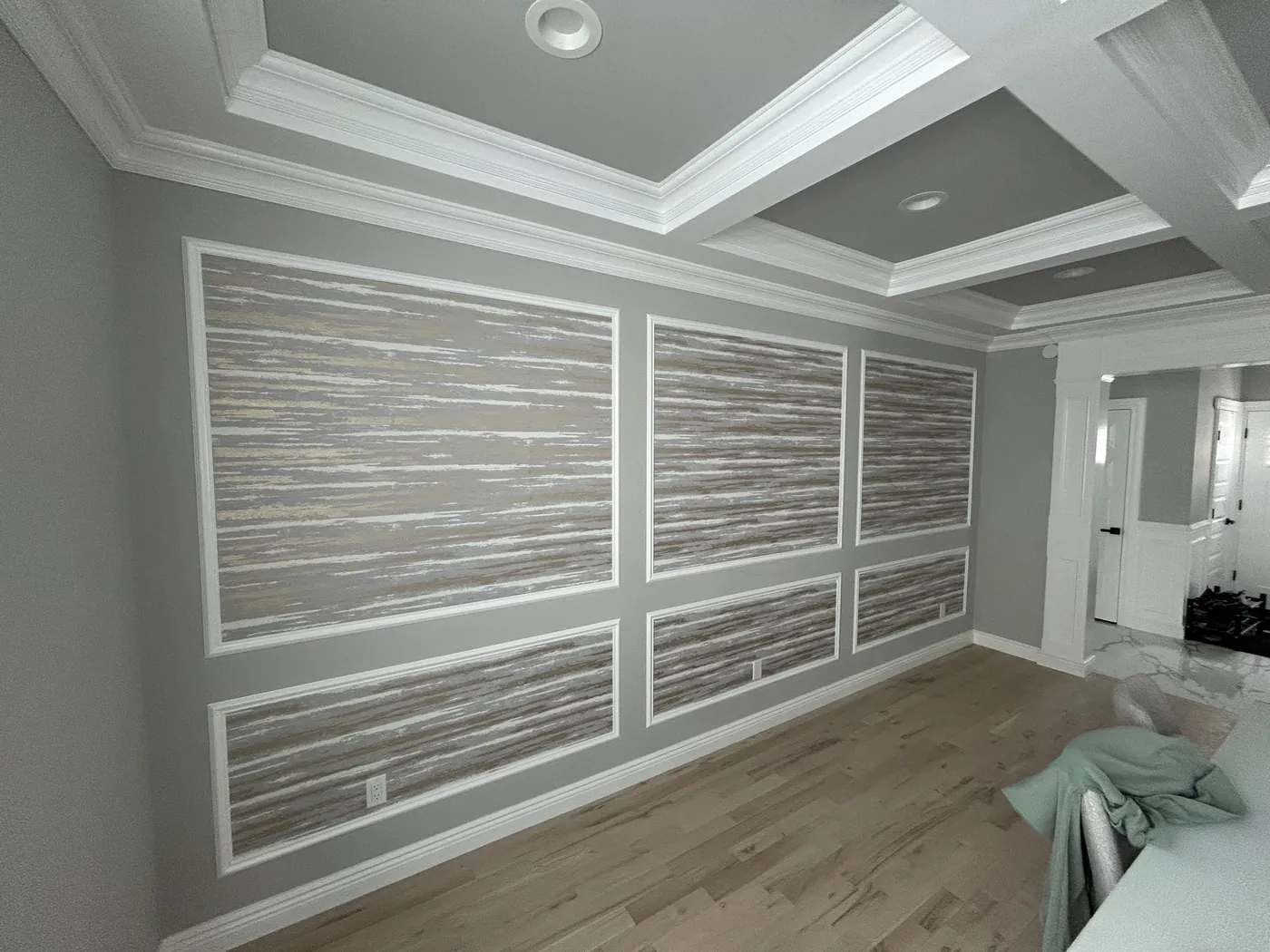
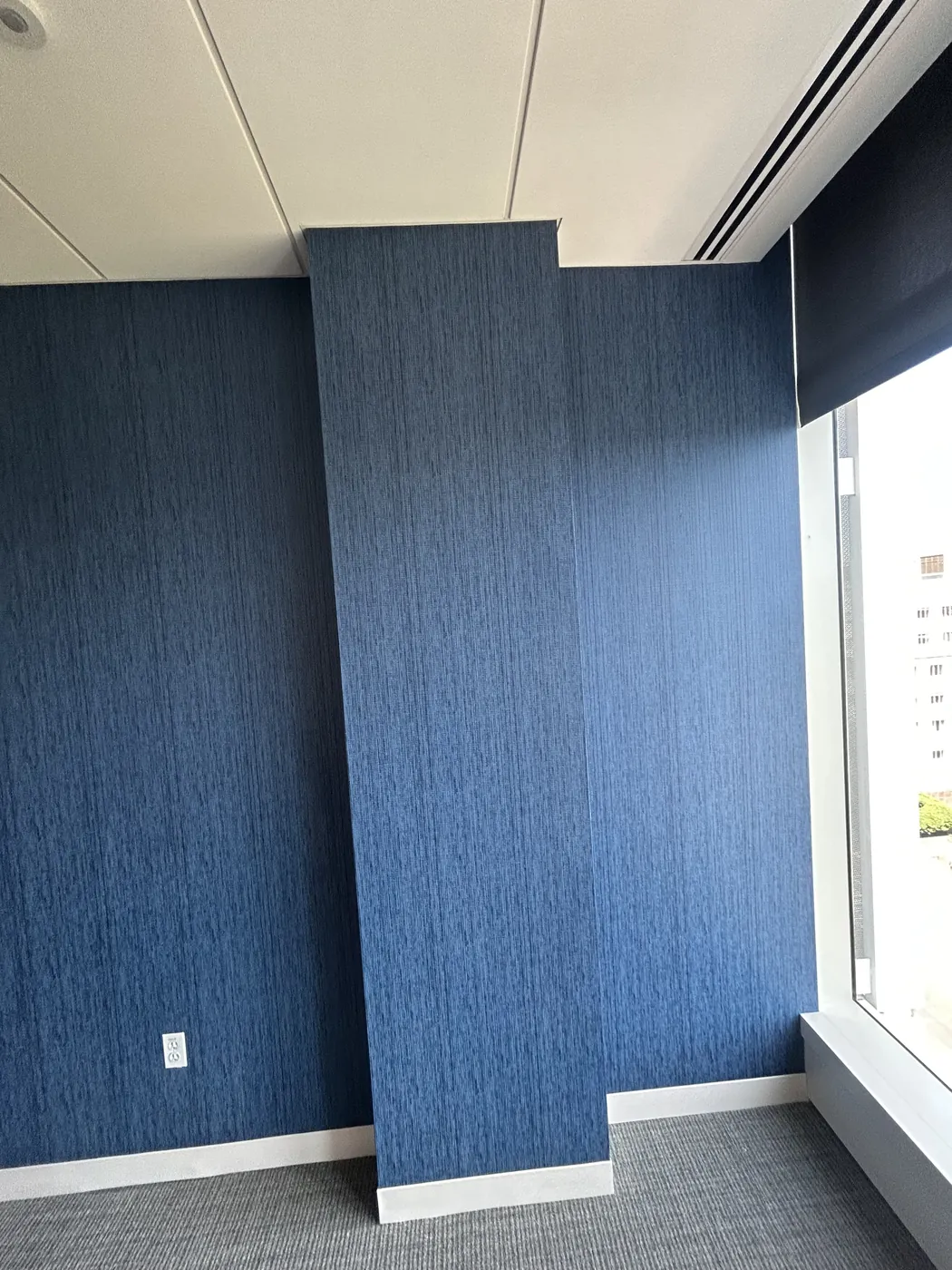
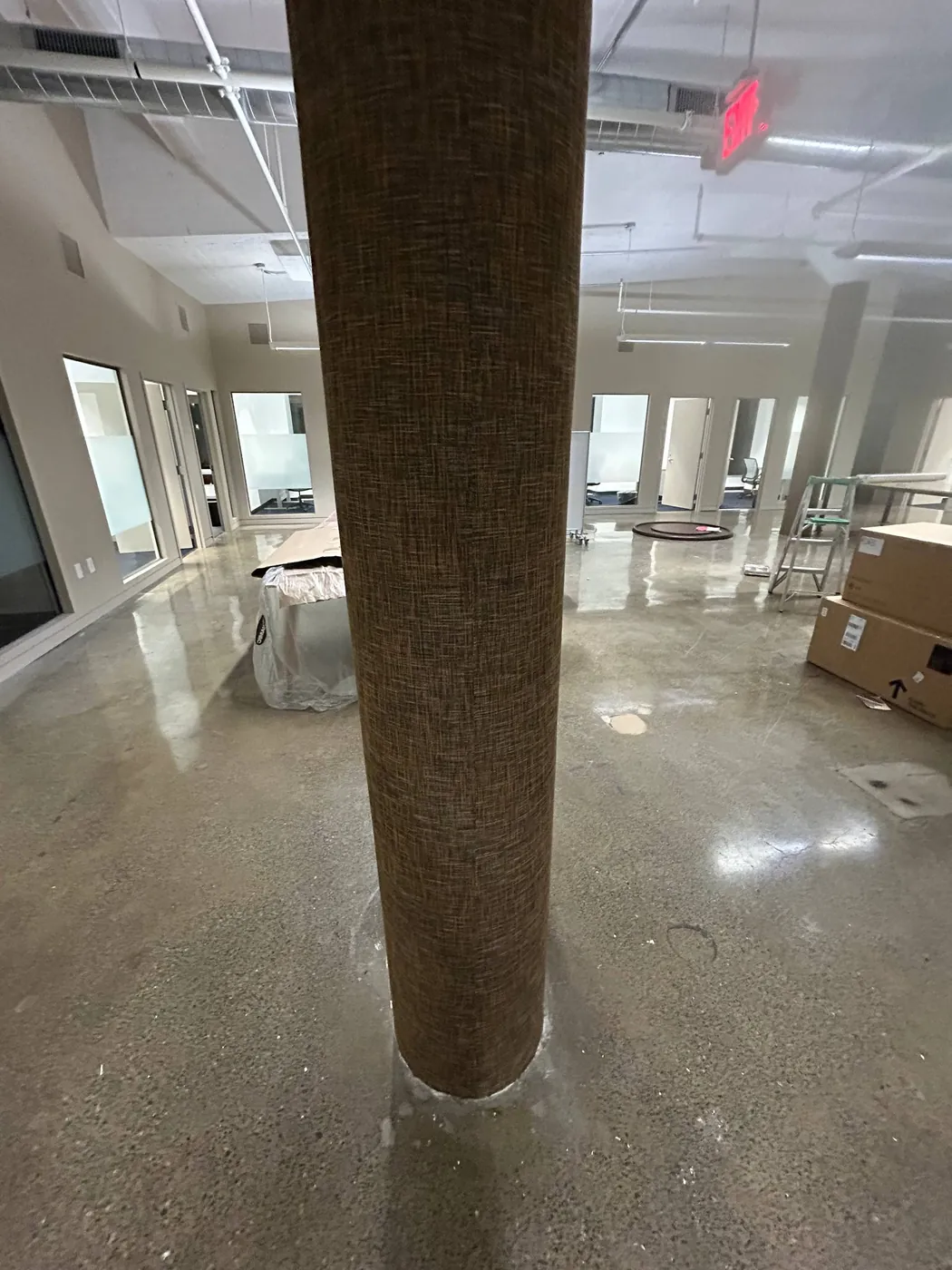
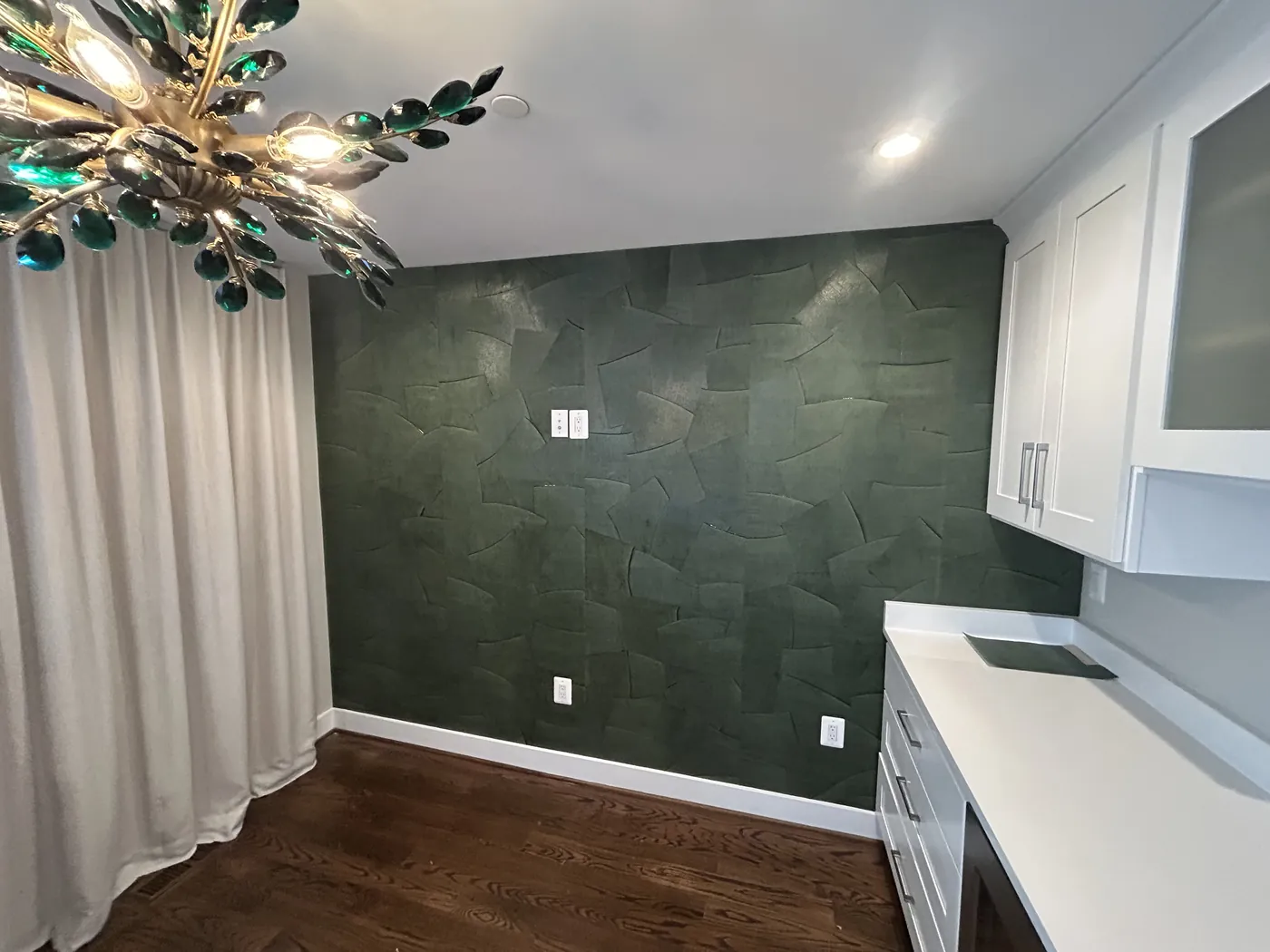
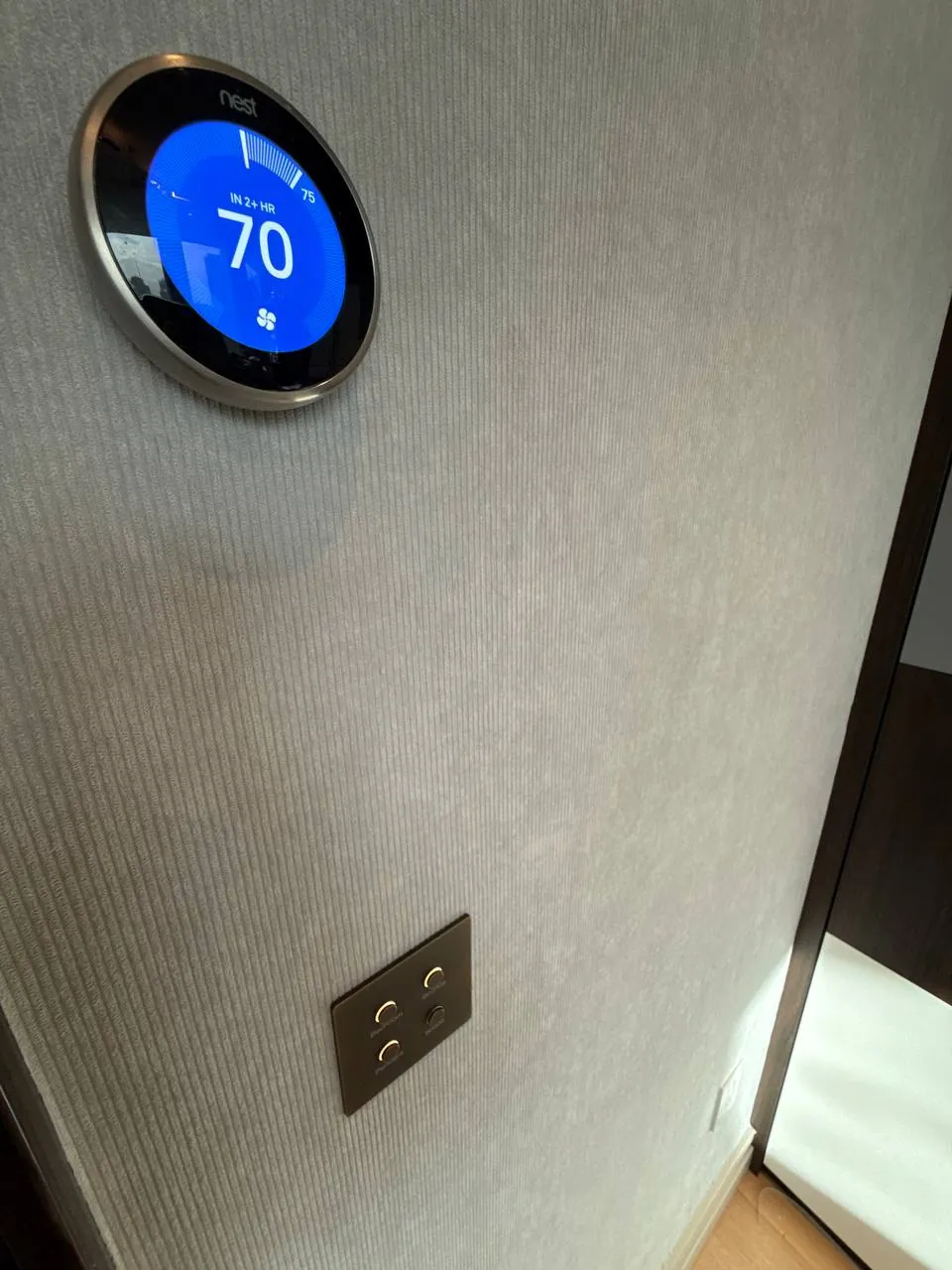
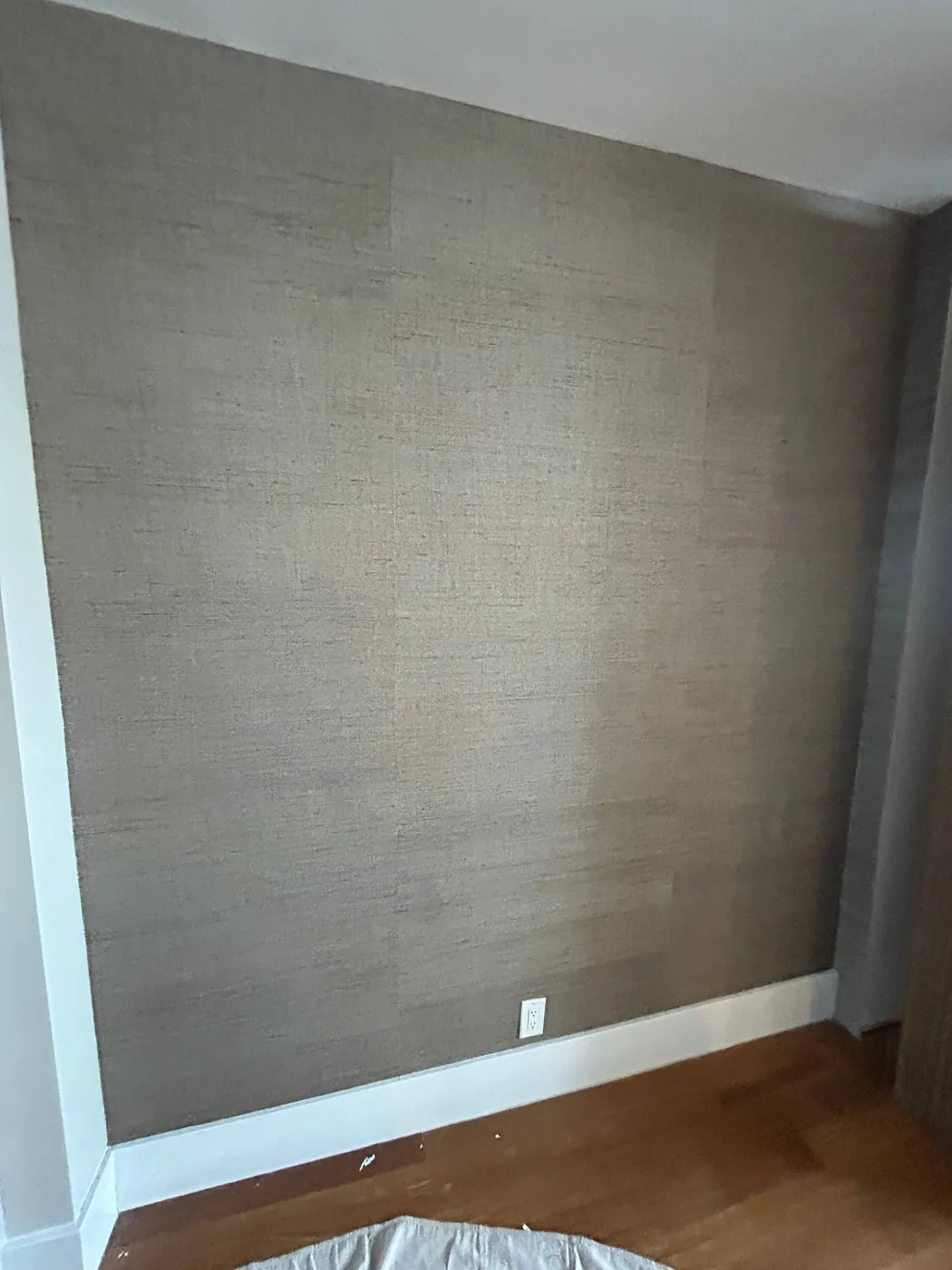
New York City, Long Island, Westchester County and northern New Jersey: Manhattan, Brooklyn, Long Island, The Hamptons, Westchester, Hoboken, Montclair.
Yes. Grasscloth does not pattern-match and the fibers vary, so seams show as soft lines. They should be tight, flat and clean.
The fibers are natural and dyed in batches, so color varies within and between rolls. Makers usually note this on the label as a characteristic, not a defect.
Gaps, lifting or ridges can usually be fixed by re-gluing or re-hanging a panel. Natural shading cannot be removed, only arranged so it is less noticeable.
Dust it gently with a soft brush or vacuum attachment. Do not use water; it can leave stains.
Yes. It needs careful paste control, shade sorting and clean hands, which is why labor usually costs more per roll.
Our labor for natural grasscloth, sisal and raffia is usually $120 to $200 per single roll, depending on walls, height and cuts.
Ready to start your project? Call, text or WhatsApp photos for a fast, free estimate. We reply within 30 minutes.
 ProKir