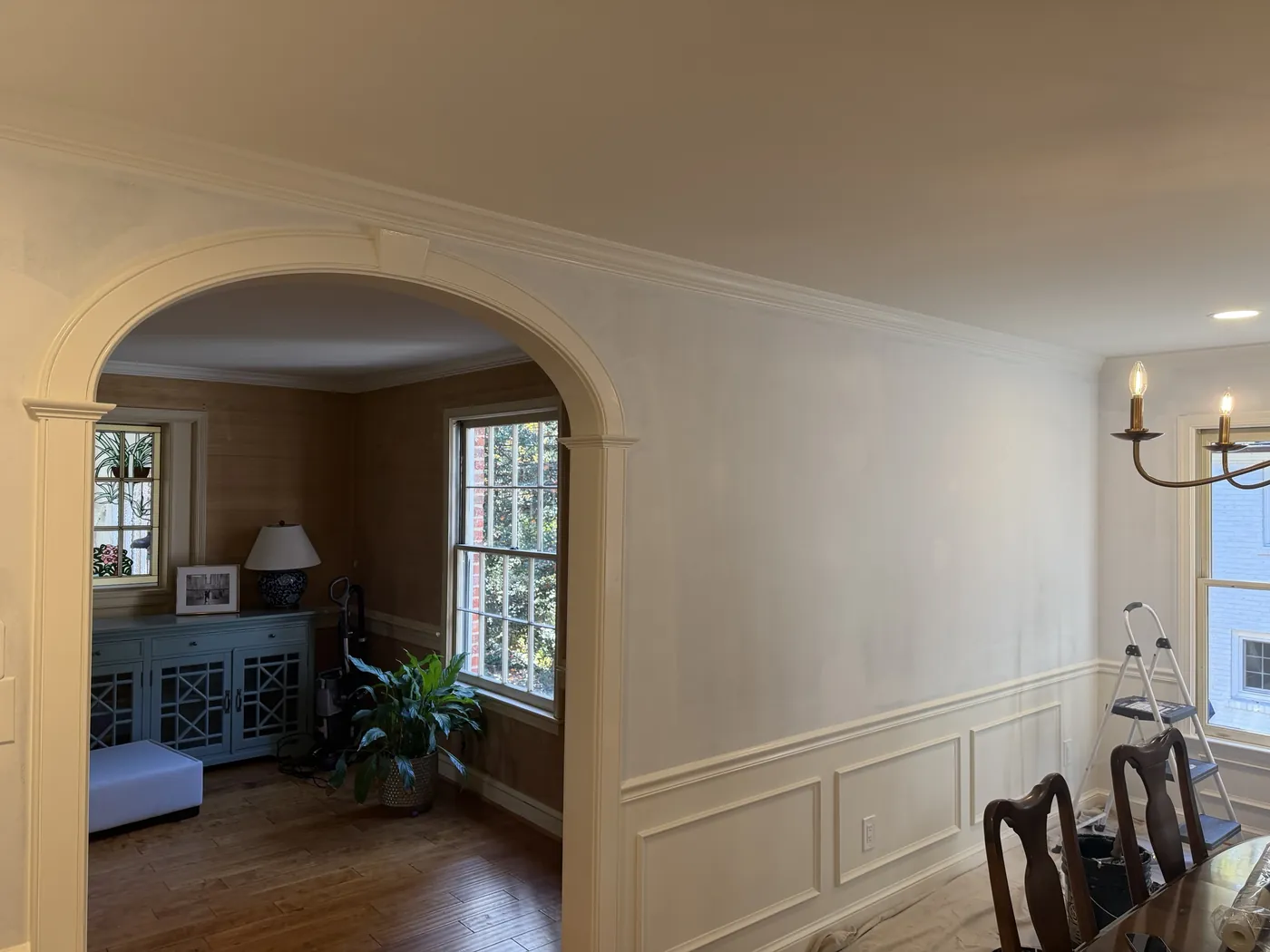
Drywall is paper glued to gypsum, so it doesn't like water. Here is how to get the wallpaper off while keeping the drywall face in one piece, and what to do when it tears anyway.
We reply within 30 minutes: call, text or WhatsApp
Use as little water as it takes and never let it soak in for long. Peel whatever comes off dry, wet small sections of the remaining backing, wait a few minutes and scrape with the blade nearly flat. If the brown paper face of the drywall starts to lift, stop wetting that area: let it dry, seal it with a shellac or oil-based primer and skim coat it. Water-based patching on torn drywall bubbles.
Written by our installers from jobs we do every week. Prefer not to do it yourself? Send photos and we quote the job, usually within hours.
Lift a corner. If the paper comes off clean and the wall underneath looks painted, you're in luck. Brown or grey paper showing means it was hung on bare drywall.
Many modern papers peel off dry in whole sheets. Try that before any water touches the wall.
Wet about 3 by 3 feet at a time. Soaking a whole wall at once softens the drywall face and it tears with the paper.
A steamer is fine on plaster but can blister drywall. Keep it moving and use short passes.
A flat, wide scraper at a low angle lifts paper. A narrow blade held upright digs into the gypsum.
A can of shellac-based primer is the fix for torn spots. Buy it before you start, not after.
| What you see | What it means | What to do |
|---|---|---|
| Paper peels off, white or painted wall underneath | Wall was primed before papering | Wash off paste, let dry, prime and paint or re-paper |
| Backing stays on the wall | Peelable paper | Wet the backing lightly, wait 5 minutes, scrape |
| Brown paper shows through | Drywall face is exposed or torn | Stop wetting, let dry, seal with shellac or oil primer |
| Gypsum (white chalky core) shows | Drywall face torn through | Seal, then fill with joint compound and skim |
| Paper won't move at all | Painted over or very strong paste | See painted-over removal; score and steam carefully |
See also how to remove wallpaper (all types), removing painted-over wallpaper, removing wallpaper from drywall, removing wallpaper glue, our wallpaper removal service and the pricing guide. Hanging new paper on drywall? See primer and paste.
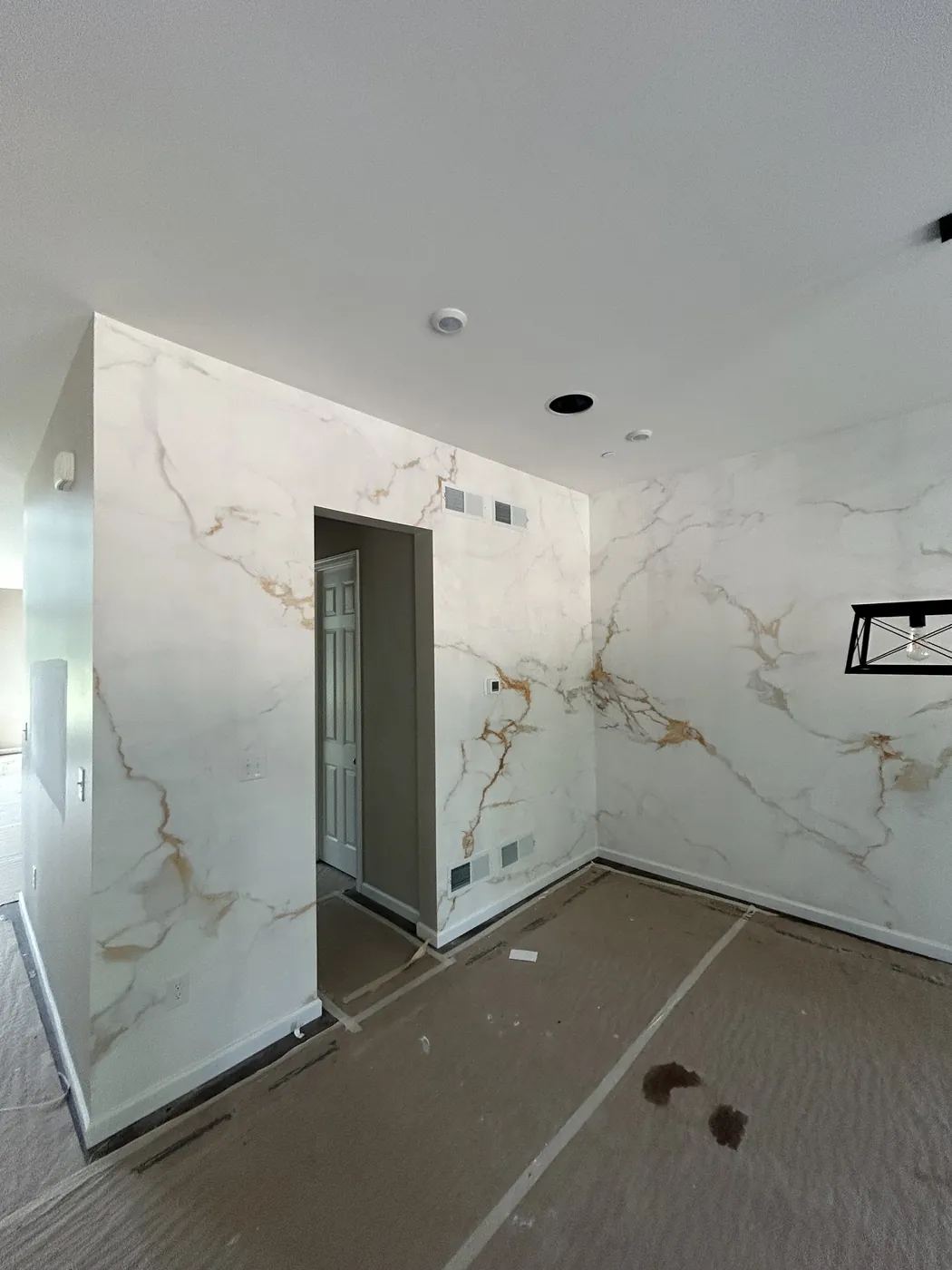
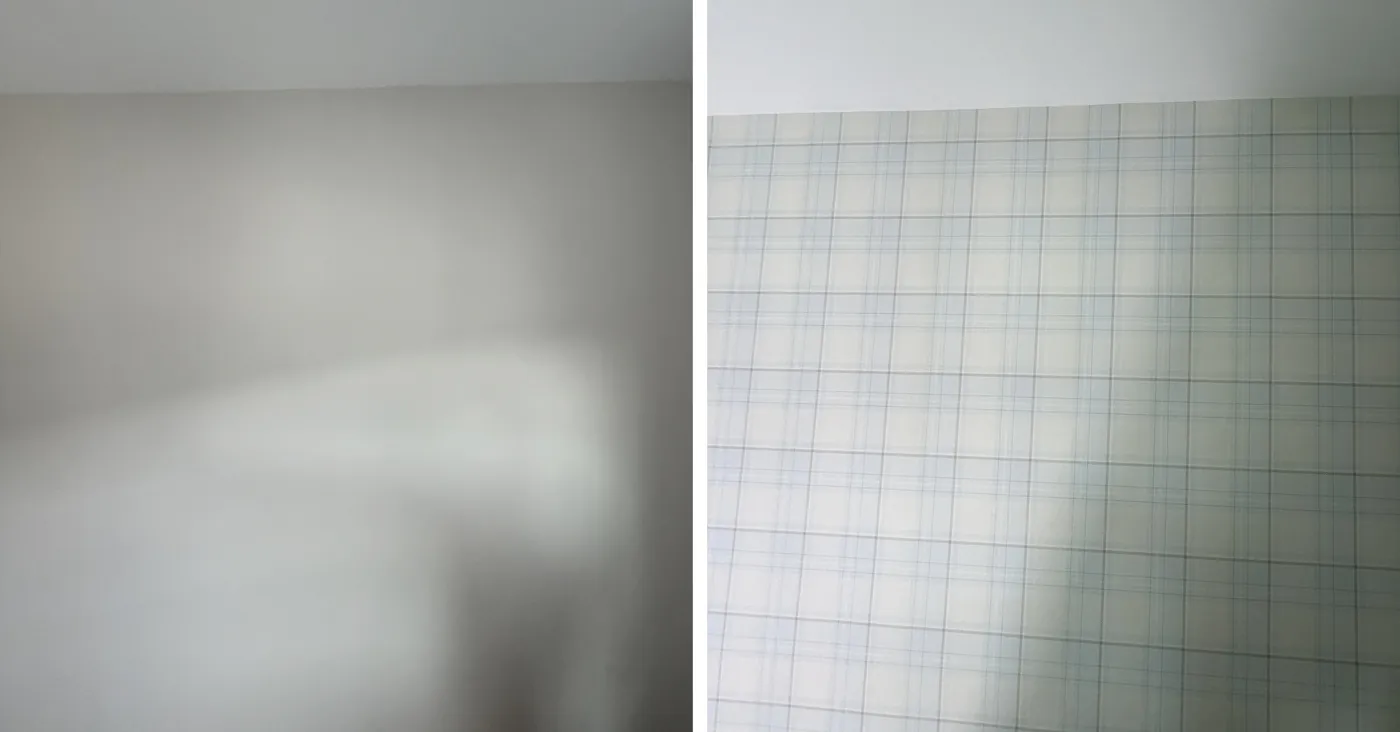
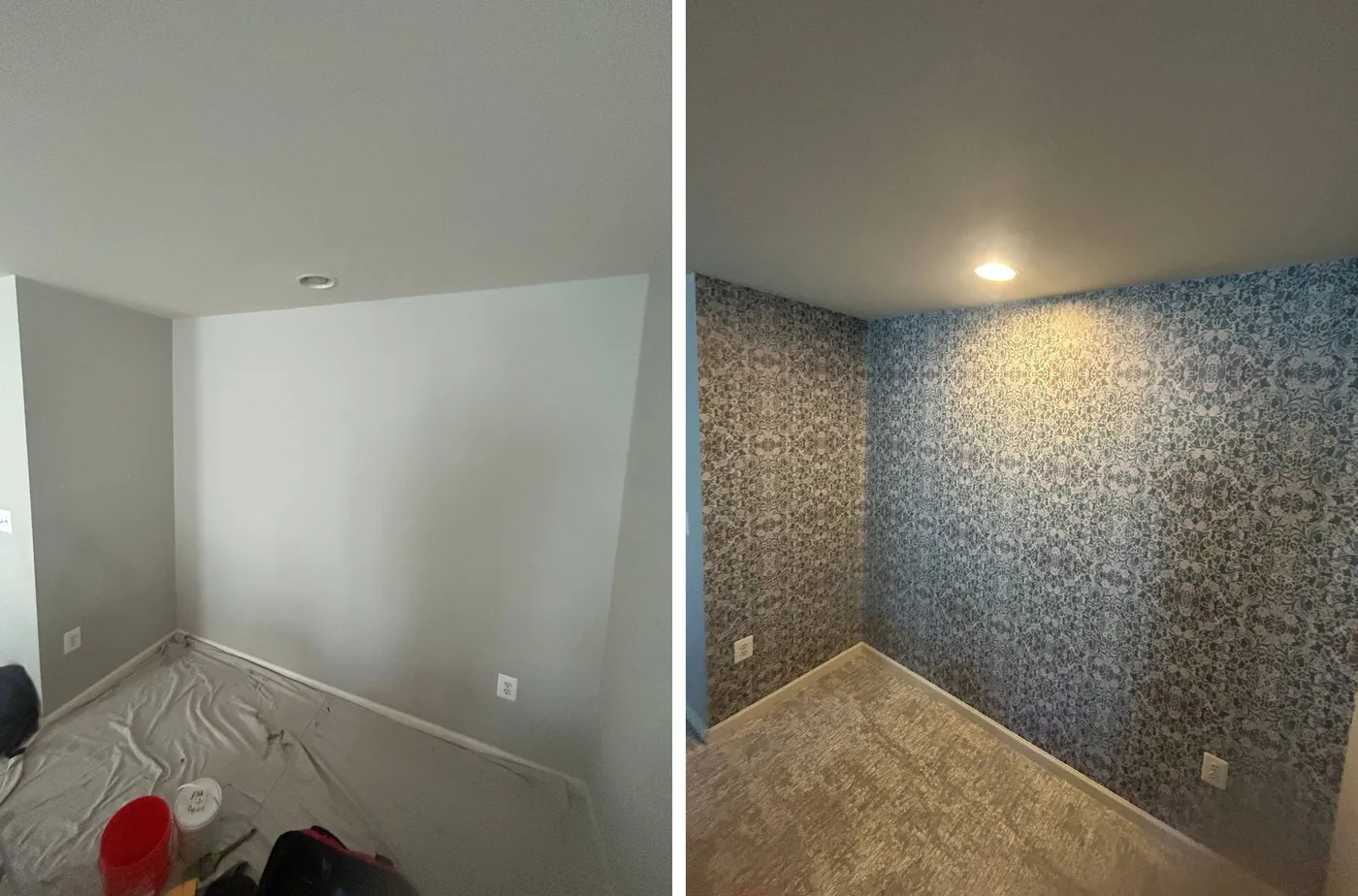
Selected projects from our portfolio. See all projects.
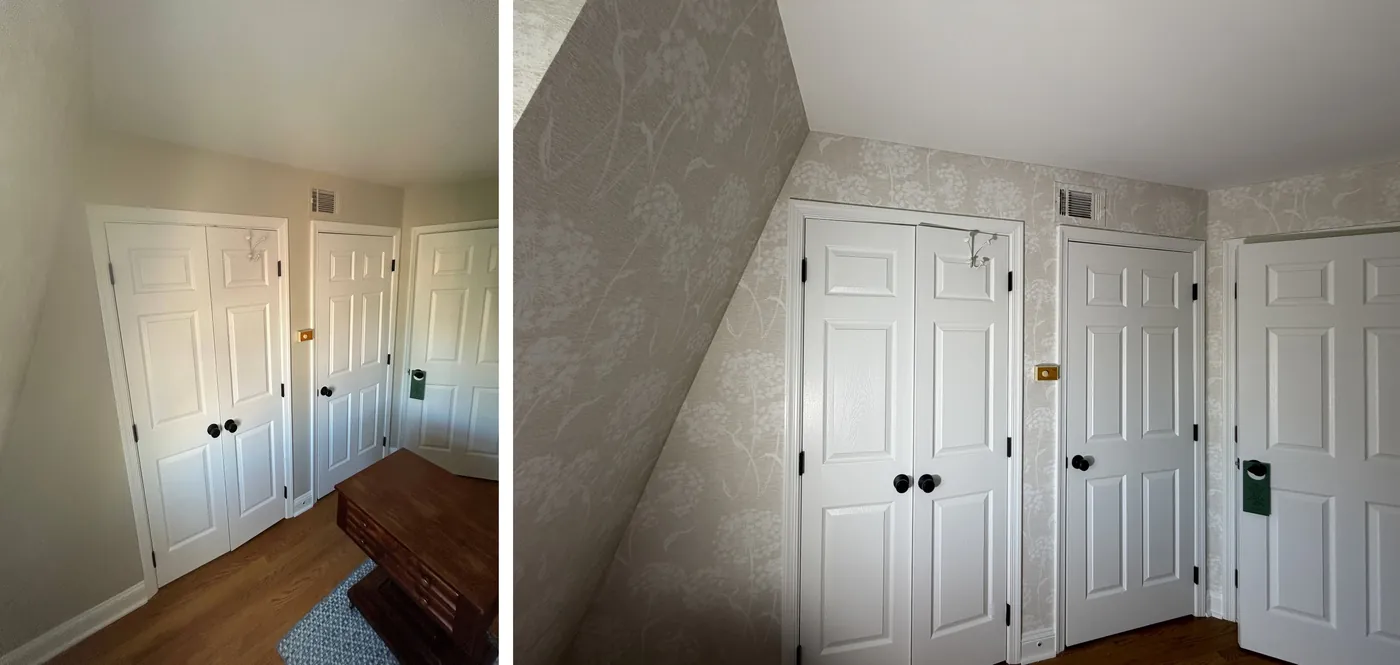
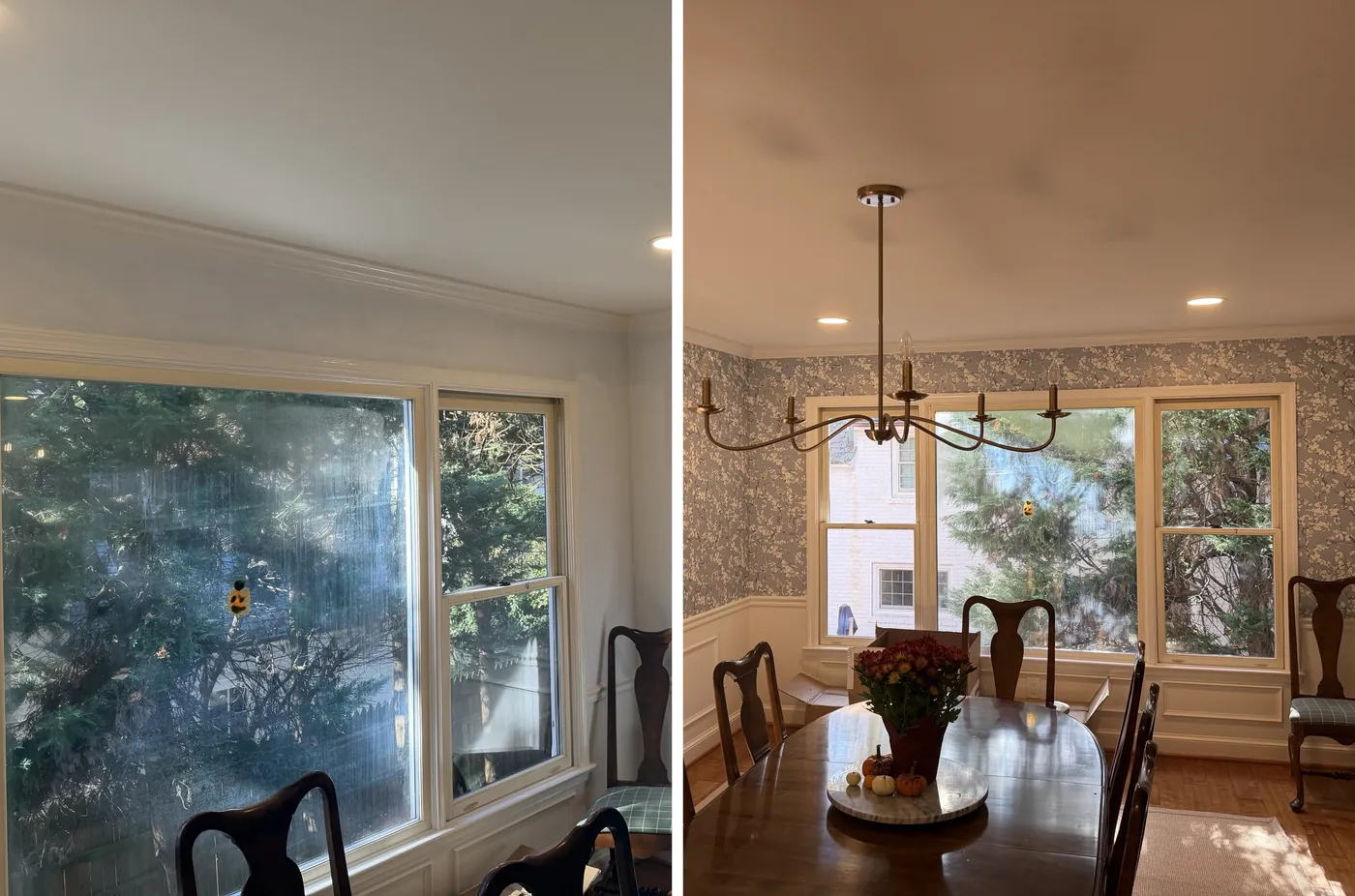
New York City, Long Island, Westchester County and northern New Jersey: Manhattan, Brooklyn, Long Island, The Hamptons, Westchester, Hoboken, Montclair.
Peel dry first, then use small amounts of water on small sections, wait a few minutes and scrape with the blade almost flat. Don't soak or over-steam drywall.
The paper was hung on drywall that was never primed, so the paste bonded straight to the drywall face. When the wallpaper comes off, it pulls the face with it.
Let it dry, seal the torn areas with a shellac-based or oil-based primer, then skim coat with joint compound, sand and prime. Don't put compound directly on torn paper; it bubbles.
Carefully. Short passes and small sections. A steamer held in one spot softens the gypsum and makes damage worse.
Removal plus a skim coat is almost always cheaper. Replacing drywall only makes sense if large areas are badly damaged or wet.
Typically $2 to $4 per square foot, from $4 for unprimed or painted-over paper, and $2 to $5 per square foot for skim coating if the wall needs it.
Ready to start your project? Call, text or WhatsApp photos for a fast, free estimate. We reply within 30 minutes.
 ProKir