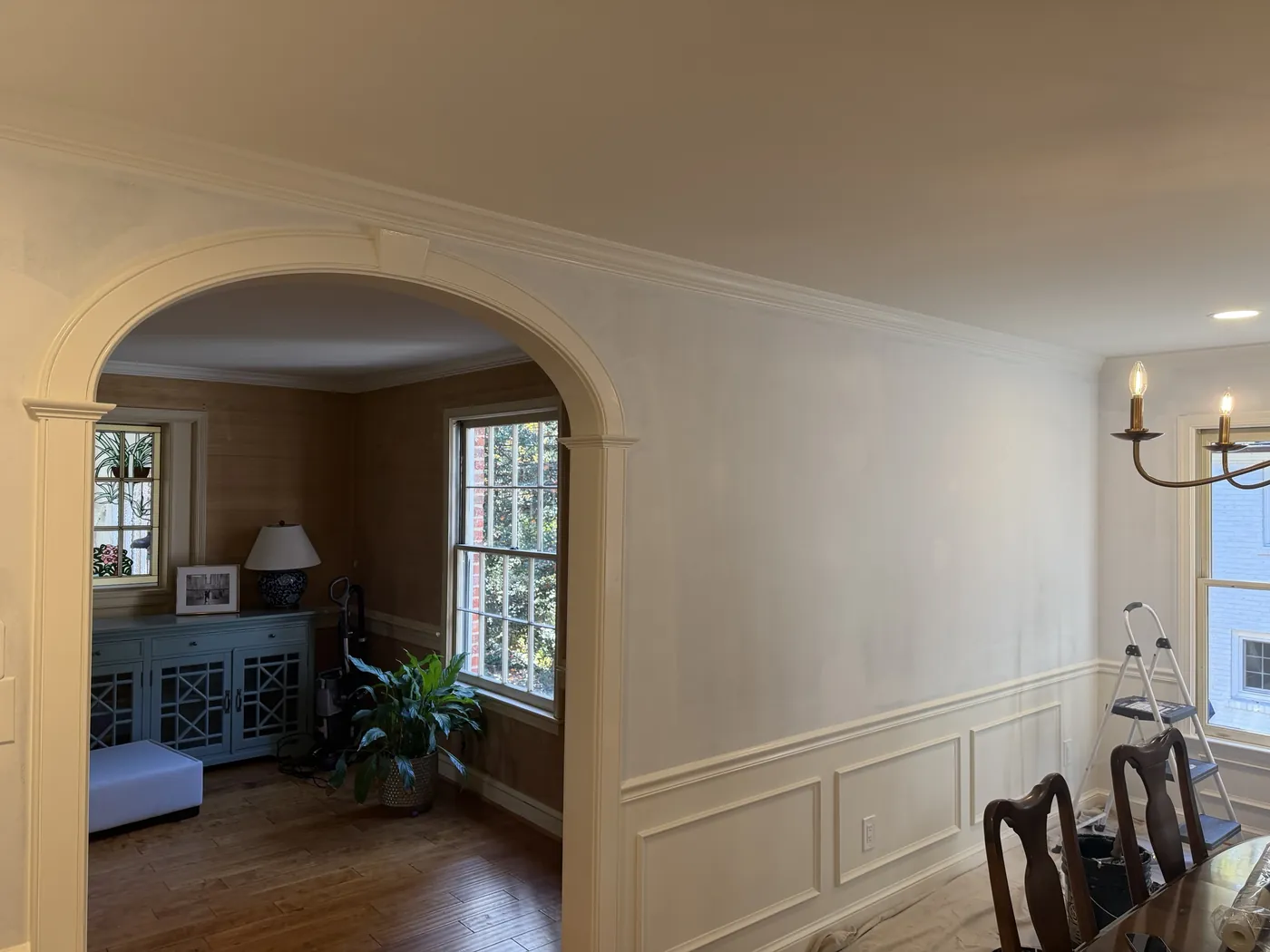
The wrong primer or paste is behind most of the failed wallpaper jobs we are called to fix. Here is how to choose.
We reply within 30 minutes: call, text or WhatsApp
Prime every wall with a primer made for wallcoverings, then use the paste the wallpaper manufacturer recommends. As a rule, clear paste suits lighter papers and non-wovens, and a heavier clay-based paste suits heavy vinyls and many grasscloths. Seam adhesive is for repairs, and torn drywall must be sealed with a shellac or oil-based primer before anything else.
Written by our installers from jobs we do every week. Prefer not to do it yourself? Send photos and we quote the job, usually within hours.
Bare drywall and patched spots soak up paste at different rates. Primer makes the whole wall behave the same.
On primed walls the paper slides into place for a moment before it grabs, so the pattern can be matched.
Paper hung on primer comes off without taking the drywall face with it.
A pigmented primer, tinted close to the paper's ground color, stops a dark wall showing through light papers.
Shellac or oil-based primers seal water stains and torn drywall paper so they do not bleed or bubble.
Use a primer labeled for wallcoverings. General paint primers are not designed for paste grip and later removal.
| Wallpaper | Usual paste | Notes |
|---|---|---|
| Non-woven (paste the wall) | Clear paste on the wall | Paper goes up dry; follow the label |
| Traditional paper | Clear paste on the paper | Book for the time on the label |
| Heavy vinyl, commercial Type II | Clay-based or heavy-duty paste | Stronger initial grab for heavy weights |
| Grasscloth and natural weaves | As the manufacturer specifies | Keep paste off the face; it stains |
| Pre-pasted | Water activation | Some installers add a thin coat of paste for extra hold |
| Peel and stick | None | Needs smooth, cured paint instead |
| Lifting seams (repair) | Seam adhesive | Small amount under the edge, rolled flat, wiped clean |
See also how to hang wallpaper, wall prep by surface and wallpaper repair. Painting over old paper instead? See which primer to use for painting over wallpaper.
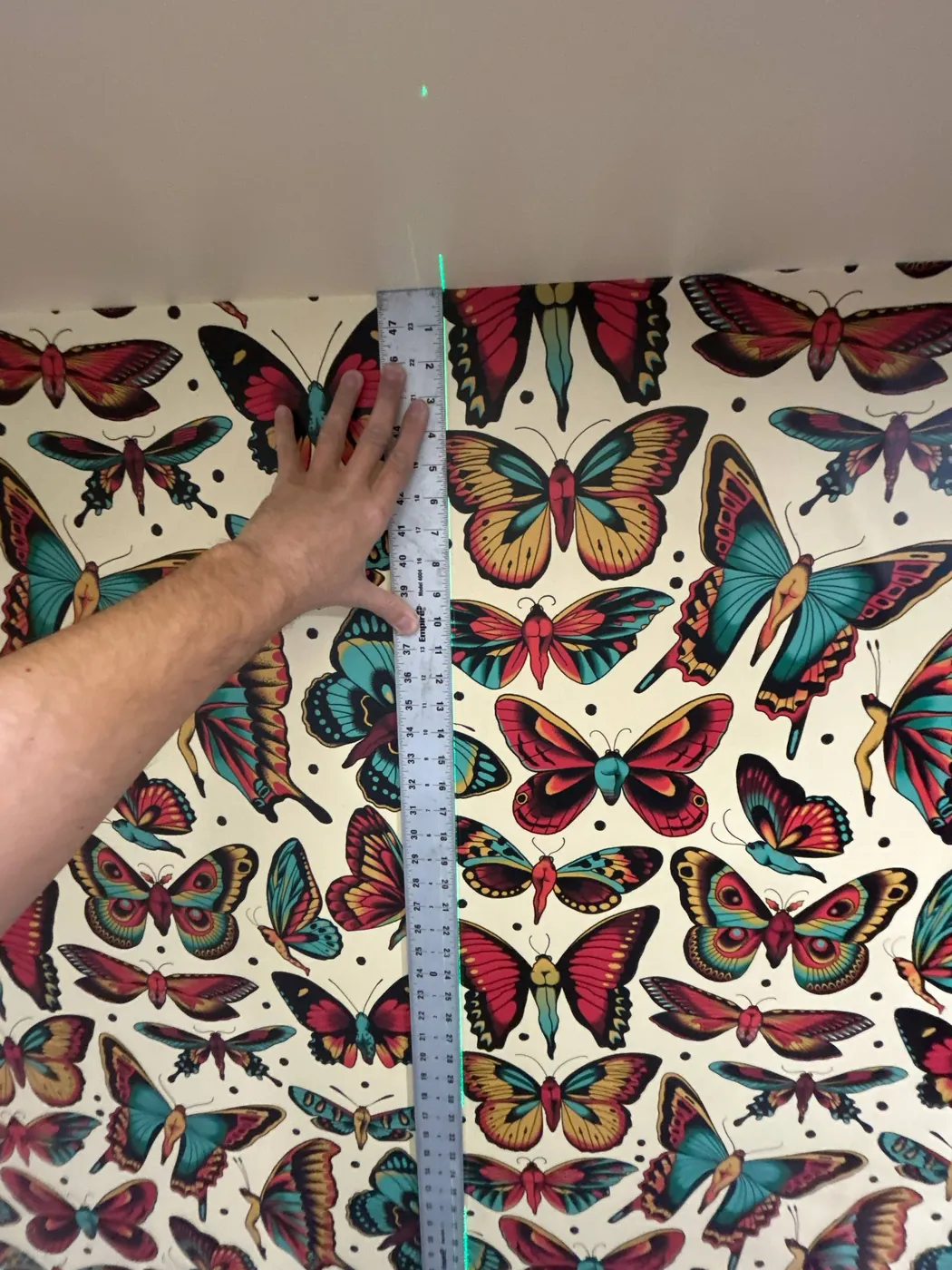
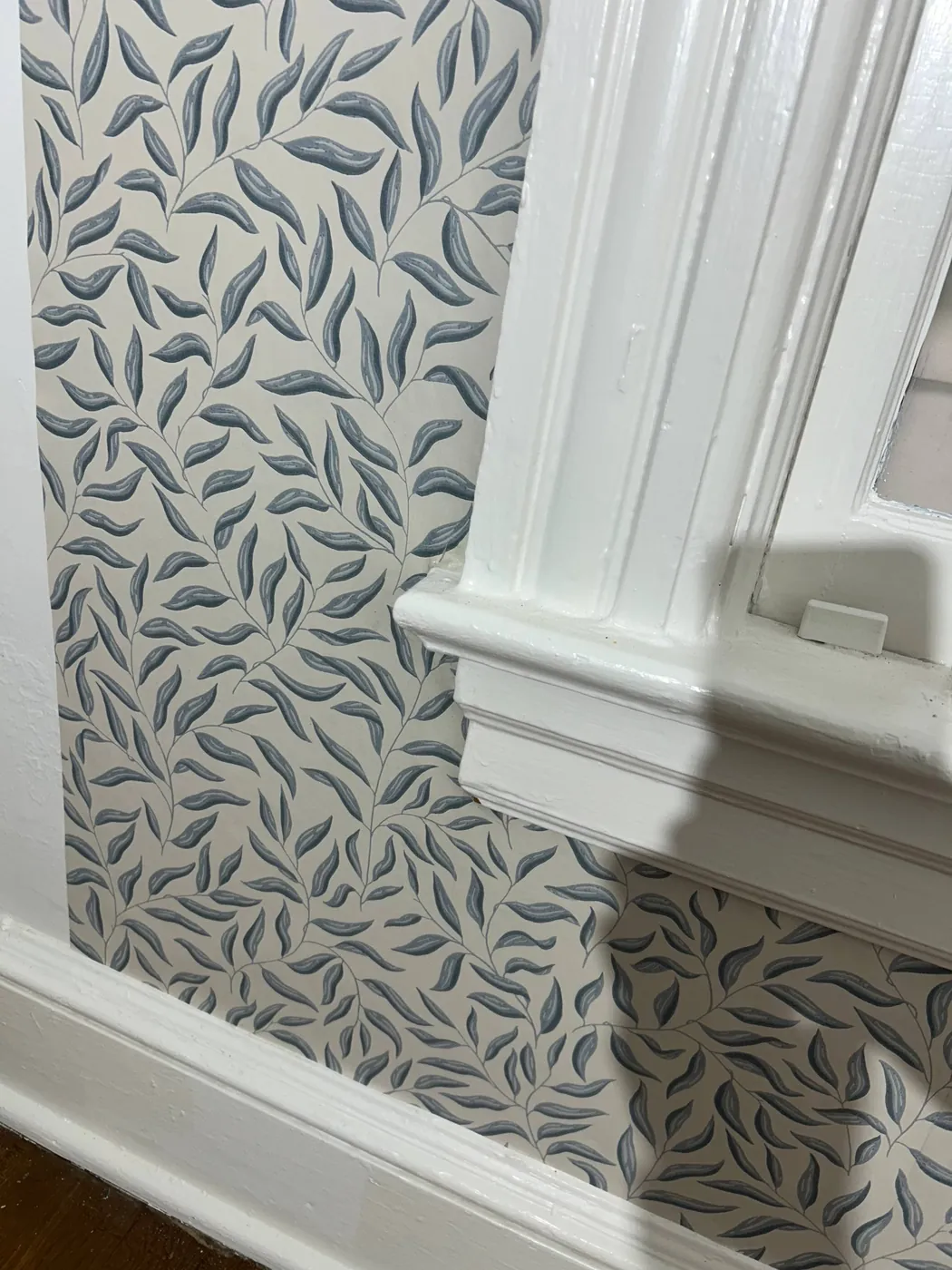
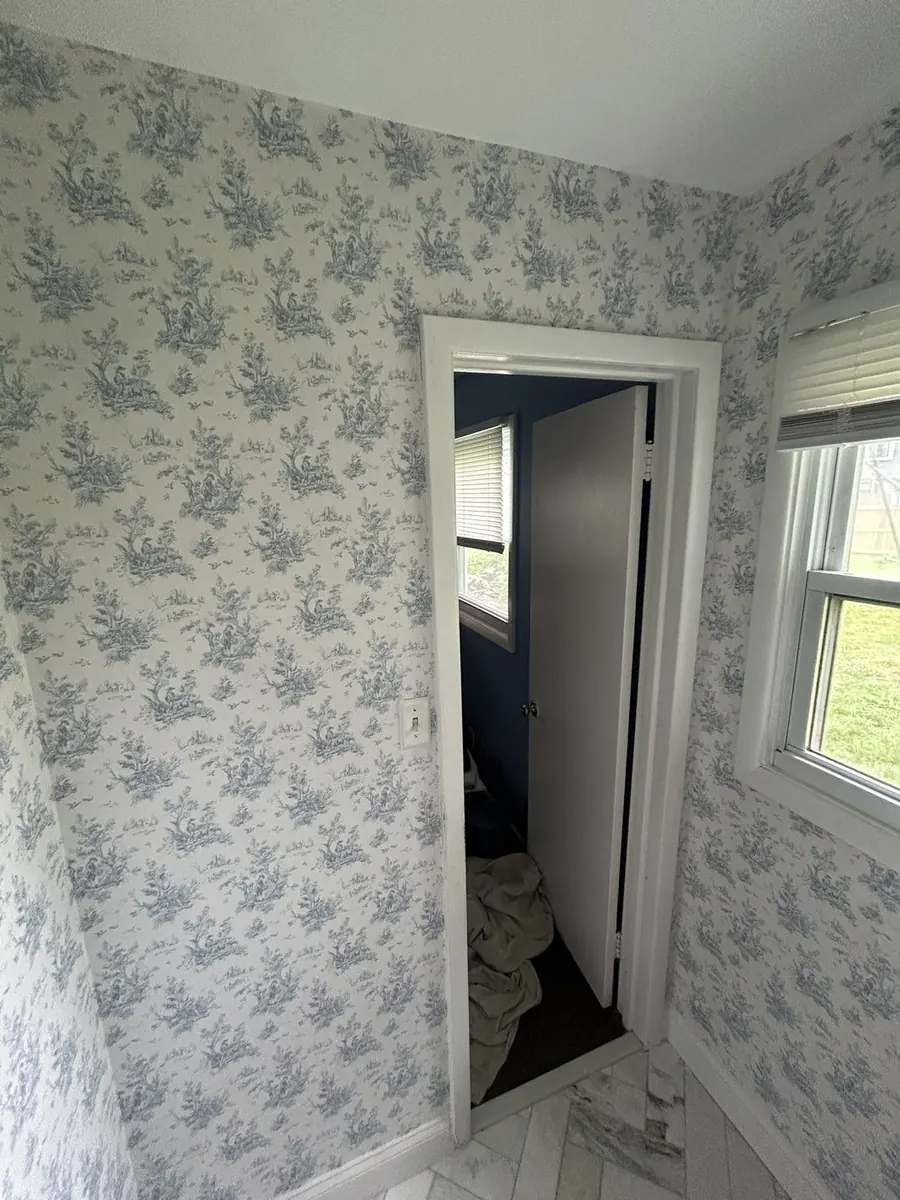
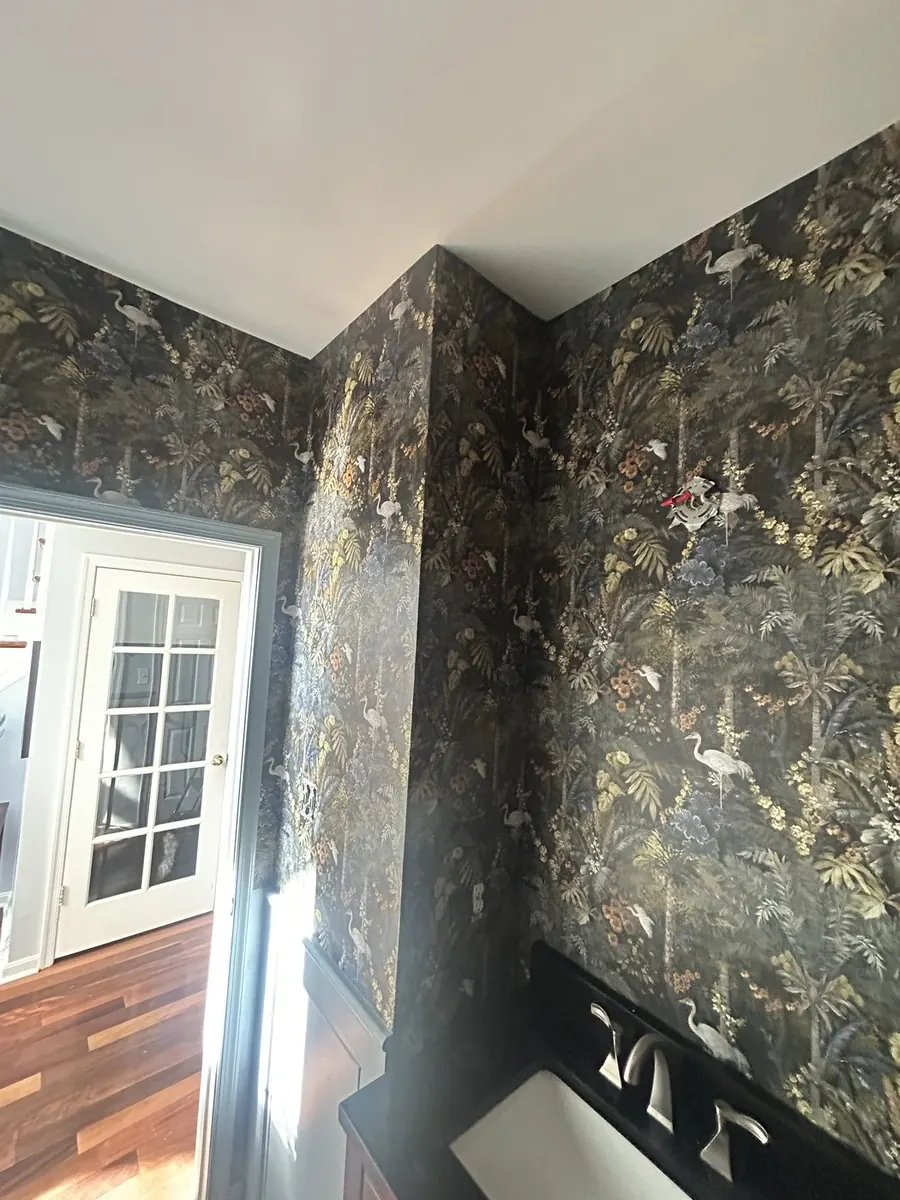
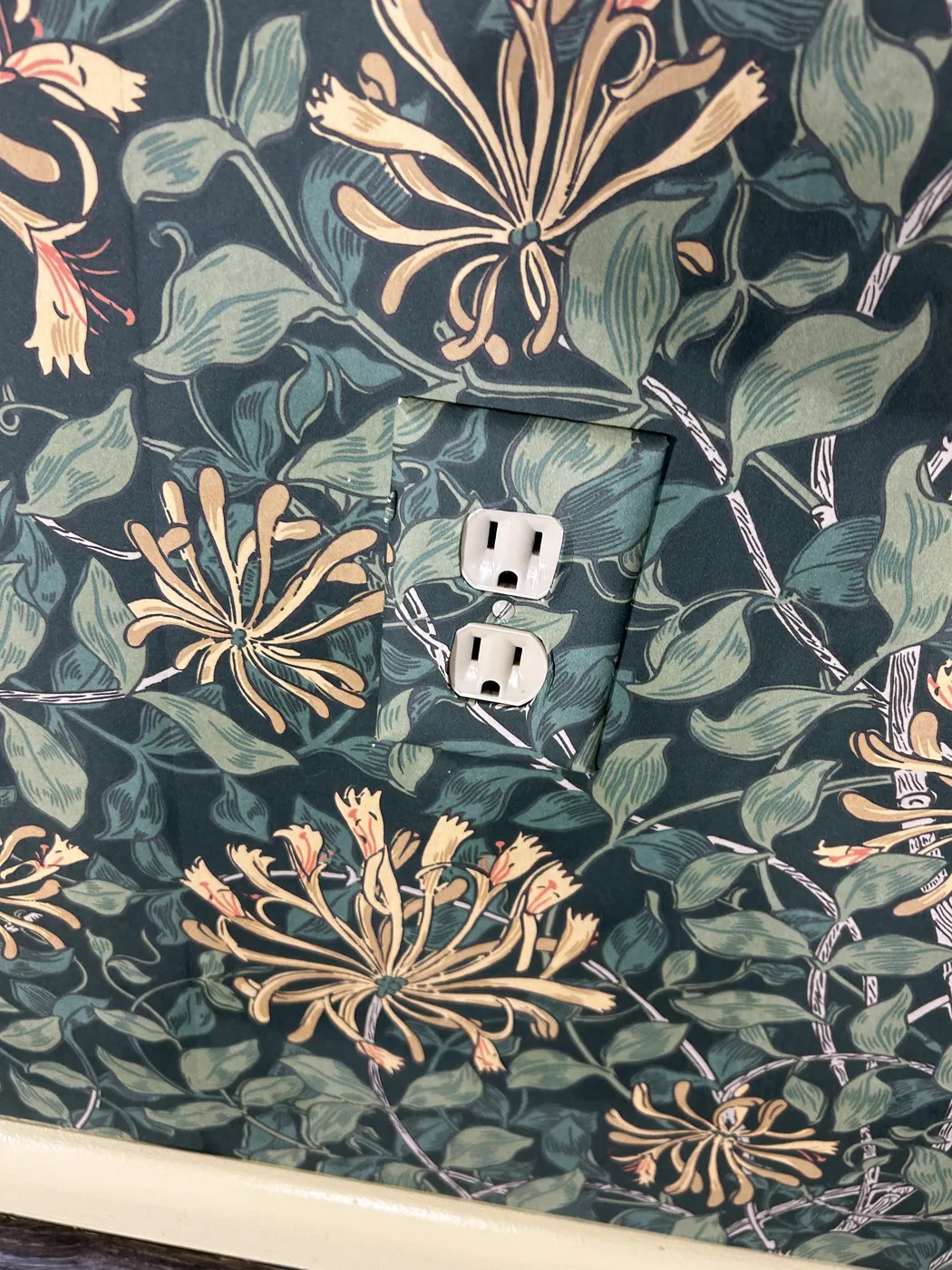
Selected projects from our portfolio. See all projects.
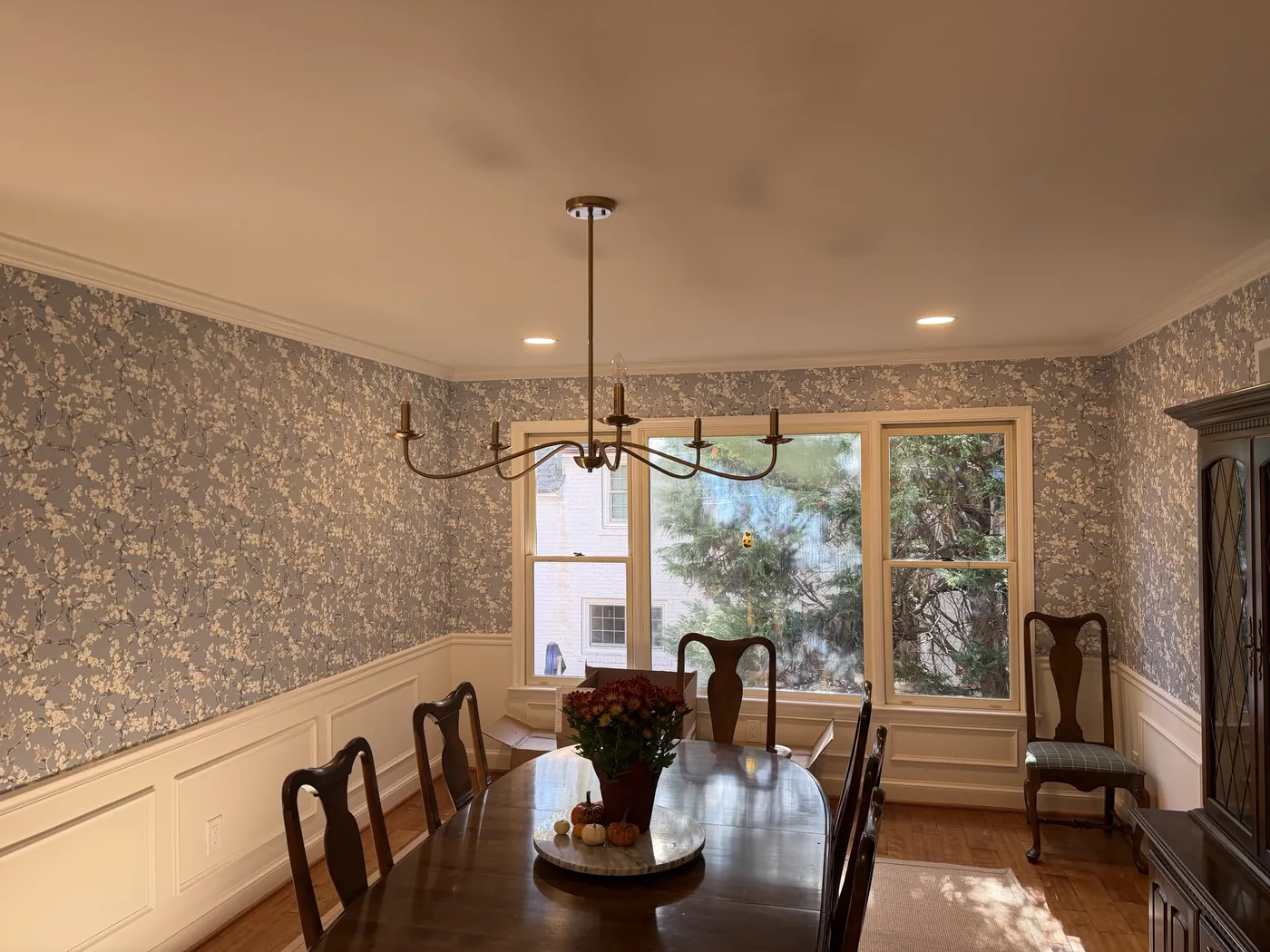
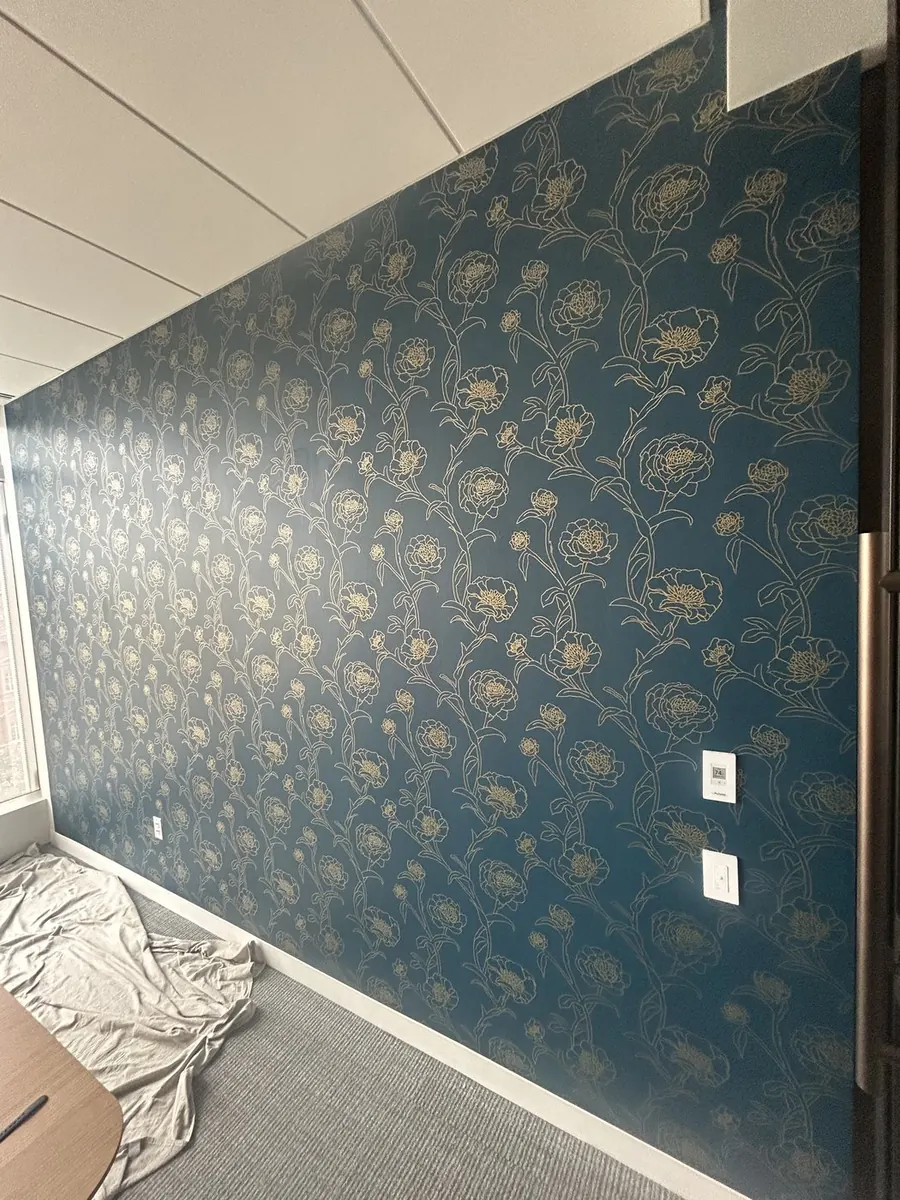
New York City, Long Island, Westchester County and northern New Jersey: Manhattan, Brooklyn, Long Island, The Hamptons, Westchester, Hoboken, Montclair.
Yes. A wallcovering primer gives even adhesion, time to position the paper and clean removal later. Hanging on bare drywall is the most common reason wallpaper is hard to remove.
Use a primer labeled for wallcoverings when you can. They are made for paste grip and later removal. Shellac or oil-based primers are for sealing stains and torn drywall, not as the only coat under paper.
Clear paste is cleaner to work with and suits most papers and non-wovens. Clay-based paste has a stronger initial grab for heavy vinyls and some natural wallcoverings. Always check the wallpaper's label.
Not usually; water activates the paste on the back. Some installers add a thin coat of paste or activator for better hold on edges and in humid rooms.
A seam adhesive, applied sparingly under the lifted edge, then rolled flat and wiped. See our wallpaper repair page if many seams are lifting.
The one the grasscloth manufacturer recommends. Keep it off the face: paste stains natural fibers and cannot be wiped off.
Ready to start your project? Call, text or WhatsApp photos for a fast, free estimate. We reply within 30 minutes.
 ProKir