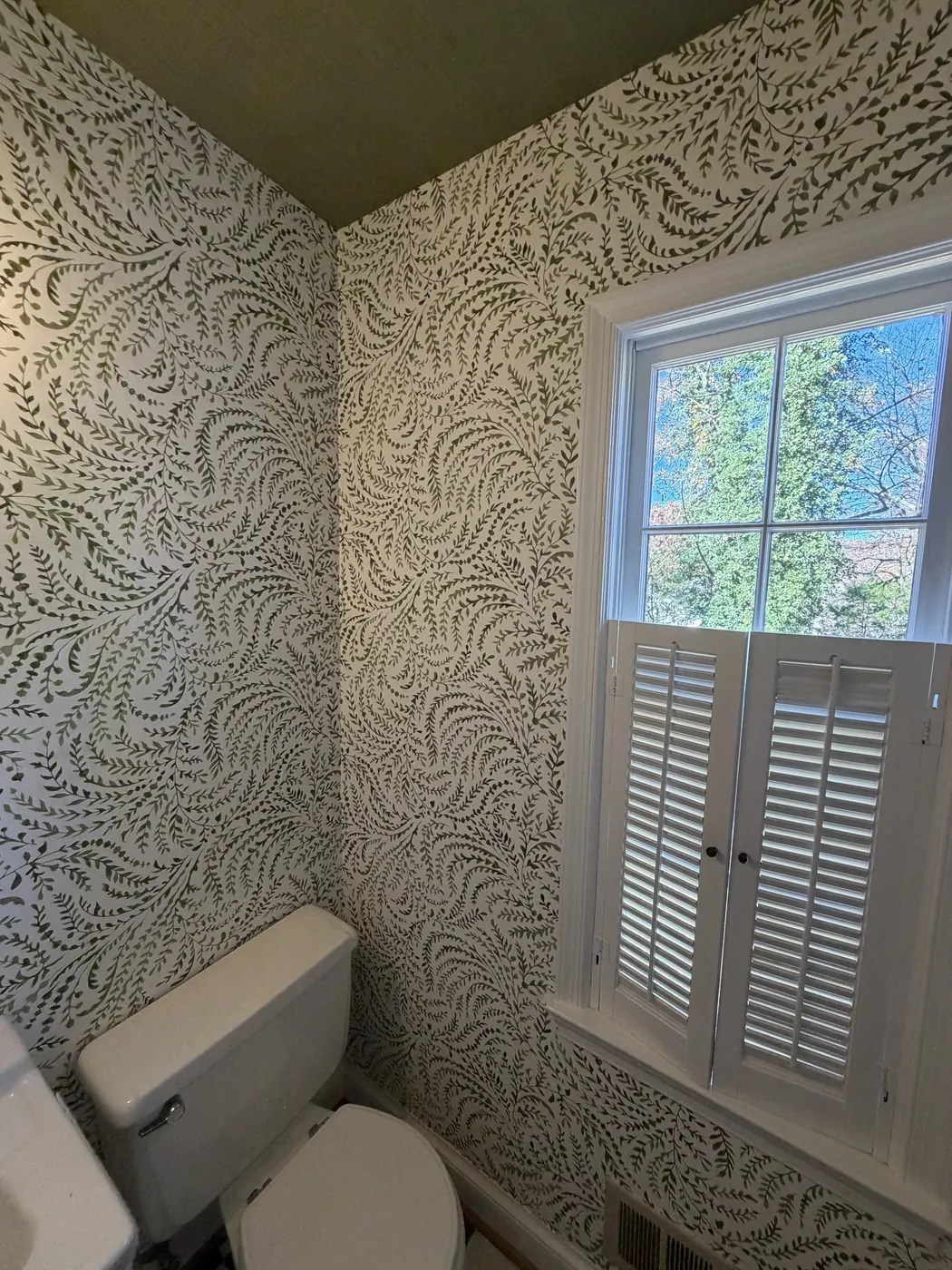
Peel and stick is easy to put up and take down. Traditional wallpaper looks richer and lasts far longer. Here is how to choose, from people who hang wallpaper every week.
We reply within 30 minutes: call, text or WhatsApp
Peel and stick suits renters, small accent walls and short-term looks; traditional wallpaper suits whole rooms you want to keep for years. Peel and stick is a vinyl film with a pressure-sensitive adhesive: quick to hang and remove, but thinner, less forgiving on textured walls and humid rooms, and prone to lifting or shrinking at the seams. Traditional paper and non-woven wallpaper are pasted onto a primed wall, come in far better materials and patterns, and last 15 years or more when hung well.
Written by our installers from jobs we do every week. Prefer not to do it yourself? Send photos and we quote the job, usually within hours.
Adhesive film needs a smooth, clean wall with cured paint. On textured walls, flat paint or fresh paint it can bubble, lift or fail to stick.
Peel and stick is sold as removable, but on poorly bonded or fresh paint it can pull paint off with it. Test a small piece first.
Vinyl film can shrink slightly, especially near heat and sun, leaving thin gaps at the seams. Overlapping a few millimeters helps but shows on some patterns.
Steam and heat weaken pressure-sensitive adhesive. In a powder room with no shower it can work; over a tub or shower, a pasted vinyl or non-woven paper is the safer choice.
Pre-pasted, paste-the-paper and paste-the-wall (non-woven) wallpapers all count as traditional. Non-woven is the easiest to hang and usually strips off dry later.
Most designer and luxury collections, grasscloth and hand-printed papers are only made as traditional wallpaper.
| Peel and stick | Traditional wallpaper | |
|---|---|---|
| How it sticks | Pressure-sensitive adhesive backing | Paste on the paper or the wall |
| Look and feel | Thin vinyl film, often slightly shiny | Paper, non-woven, vinyl, grasscloth, fabric; matte to textured |
| Typical lifespan | A few years | 15 years or more |
| Textured or uneven walls | Poor | Fine after skim coat and primer |
| Humid bathrooms | Risky | Good with vinyl or non-woven and primer |
| Removal | Peels off; may lift fresh or weak paint | Strippable and non-woven come off dry; paper needs soaking |
| Best for | Renters, small accent walls, short-term looks | Whole rooms, bathrooms, high-end and long-term projects |
We install both: see peel and stick installation. Related: wallpaper vs paint, vinyl wallpaper, wallpapering over paint and texture and the pricing guide.
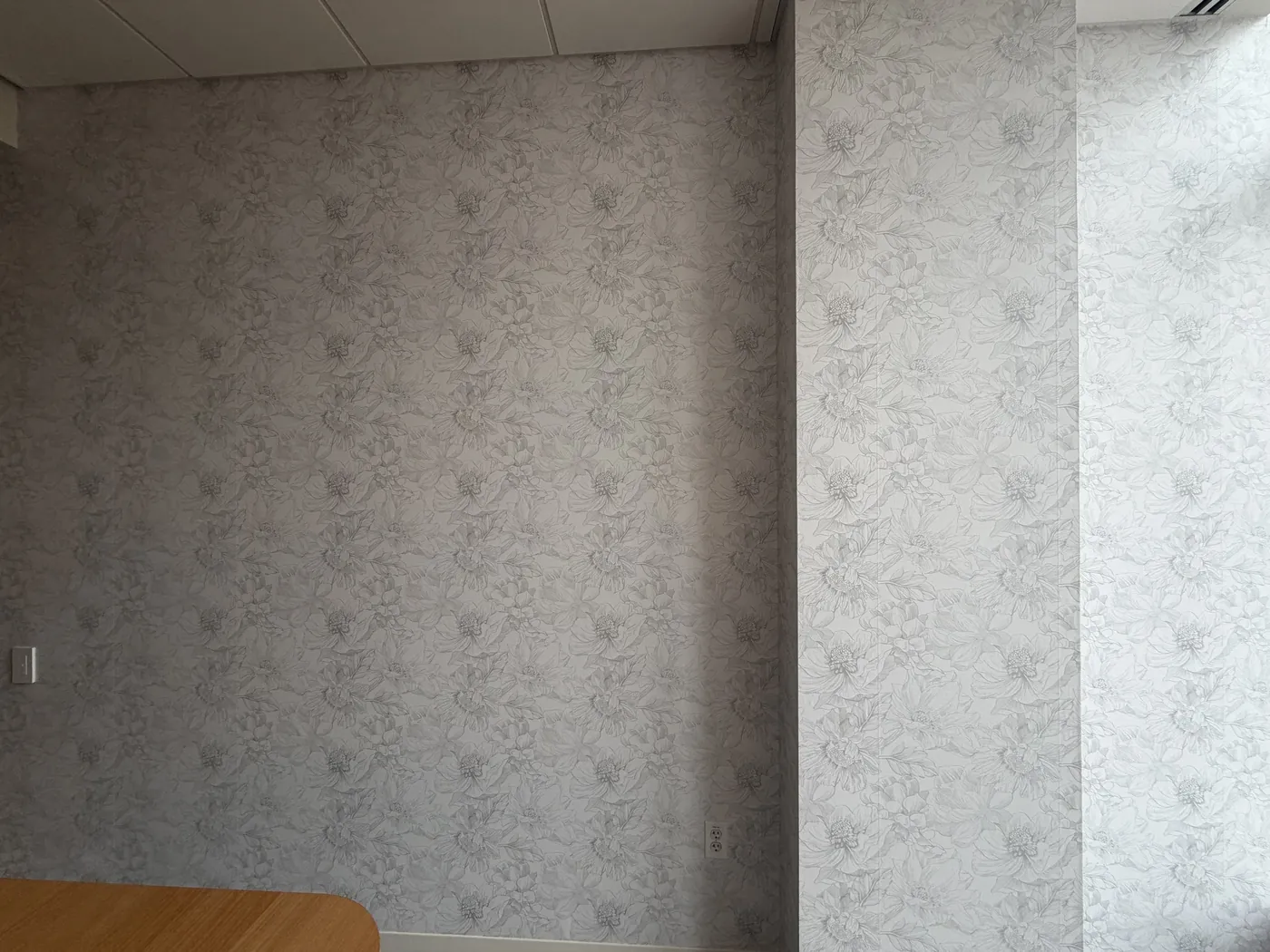
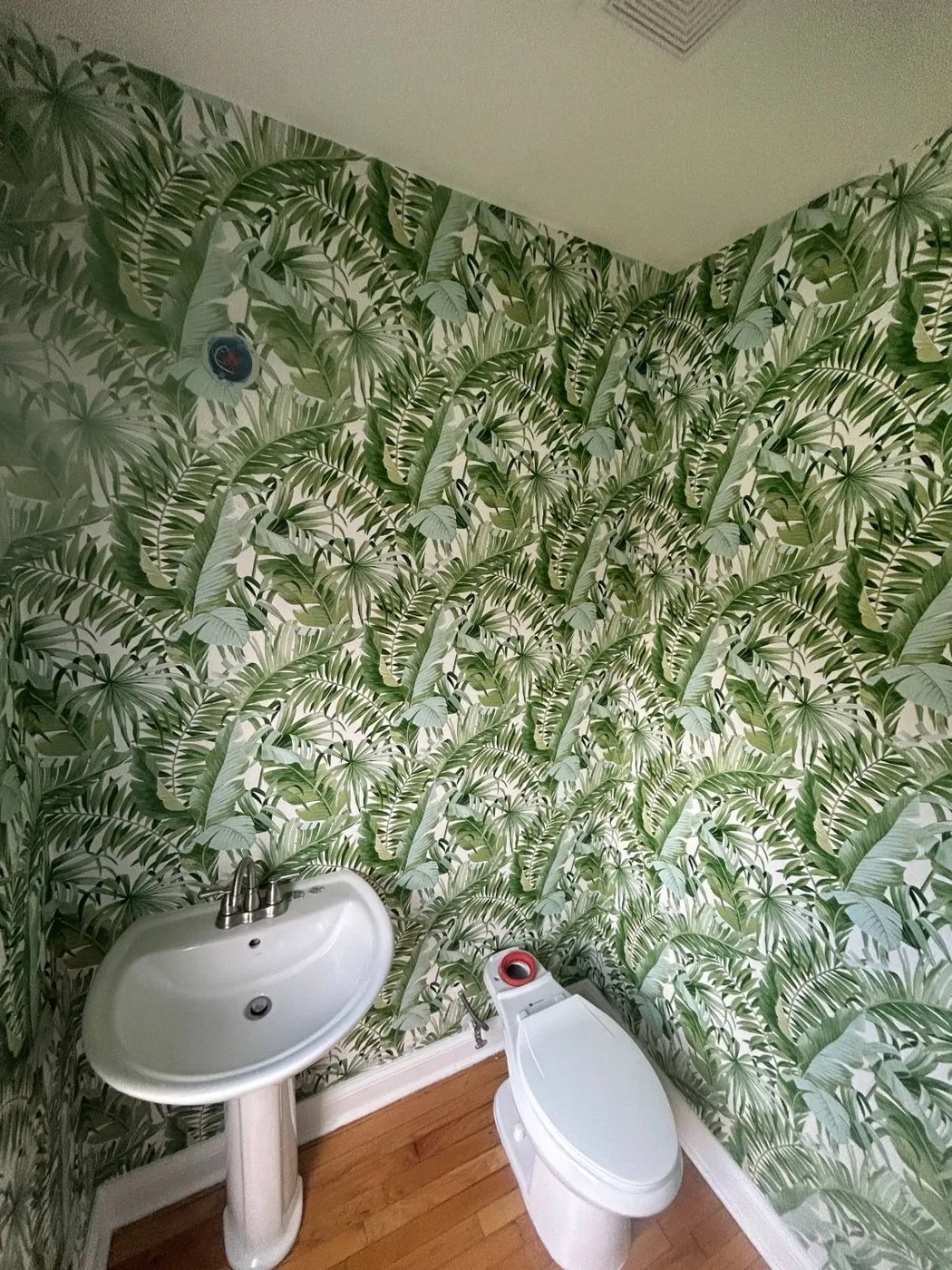
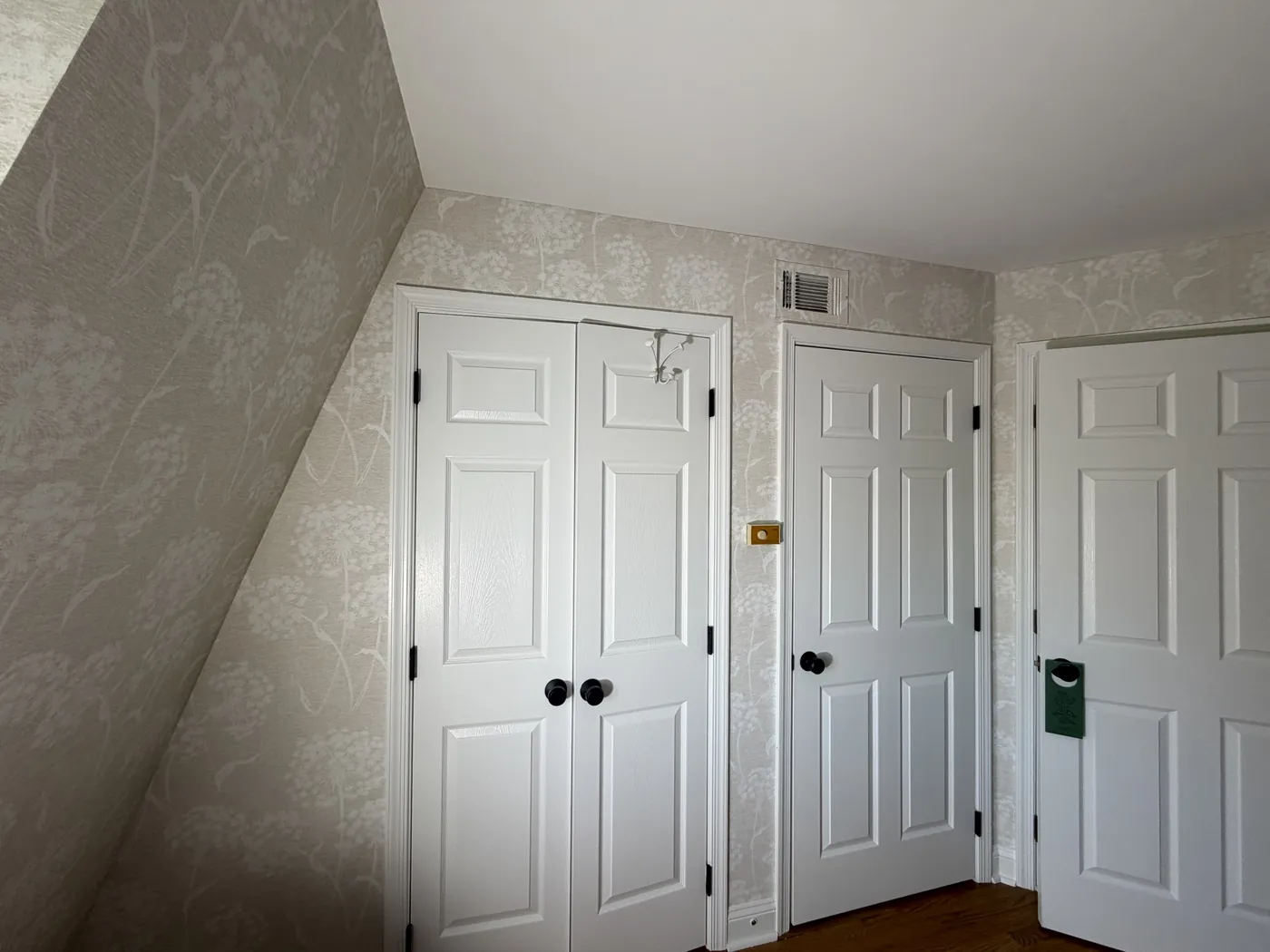
Selected projects from our portfolio. See all projects.
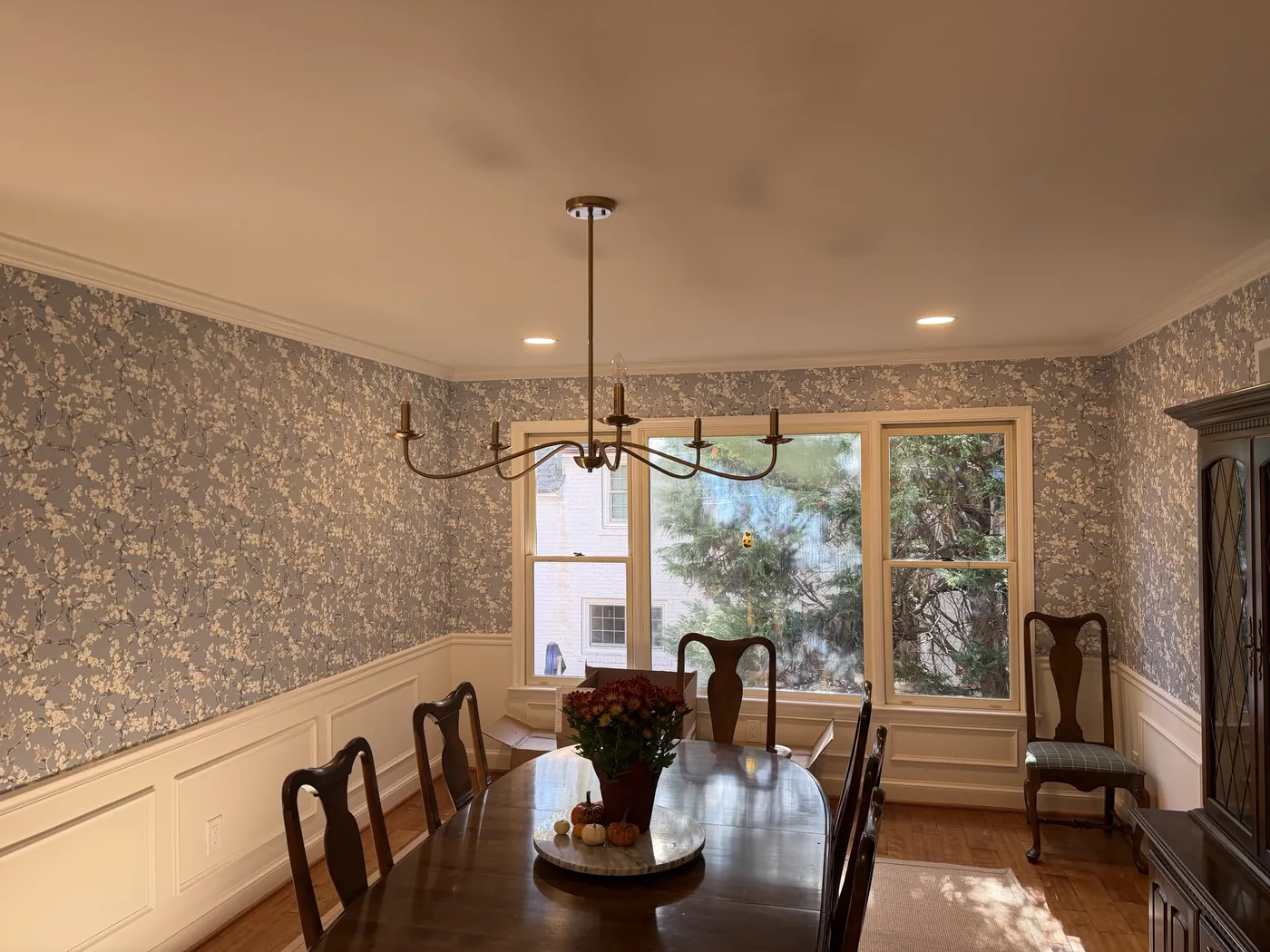
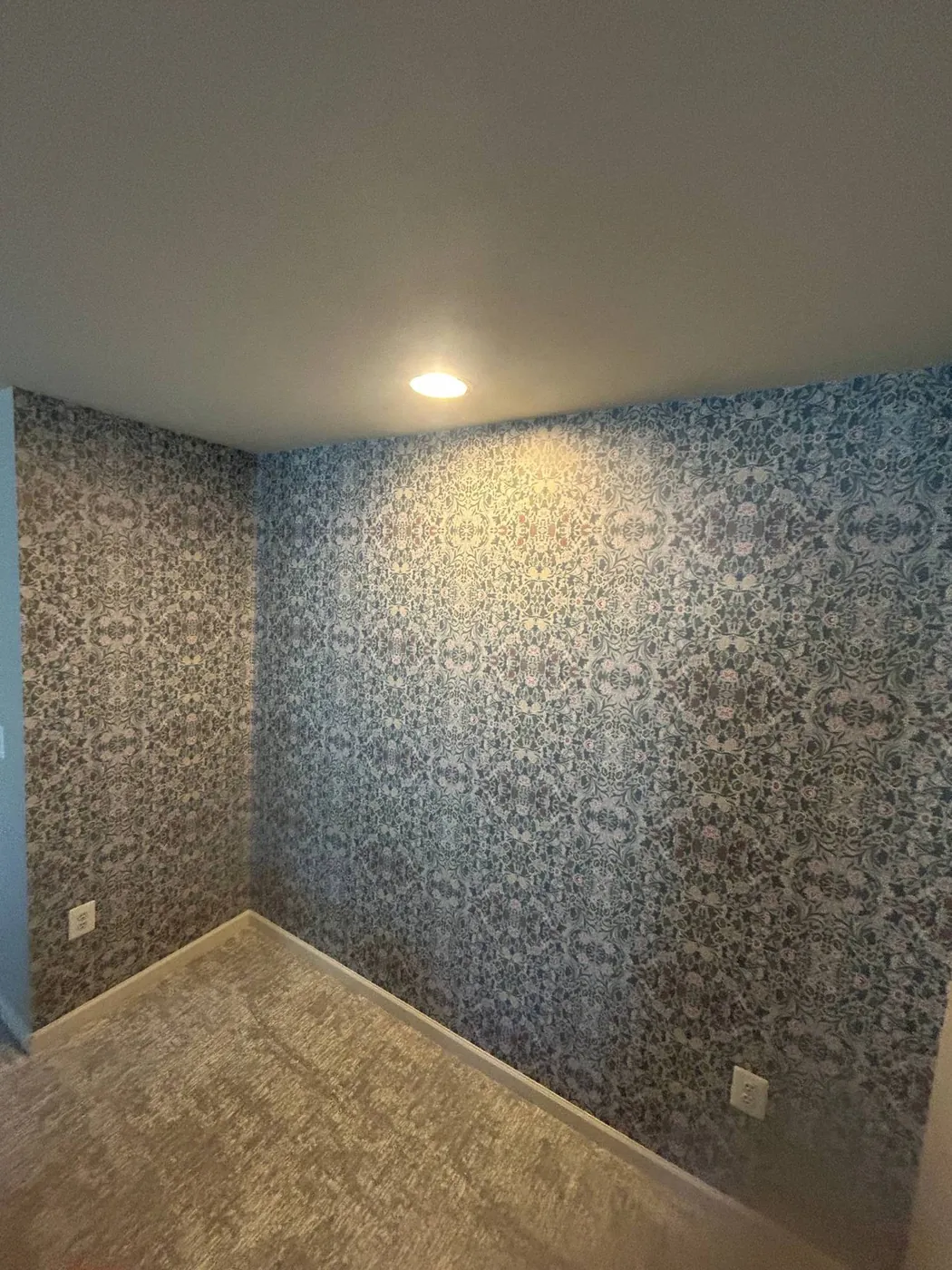
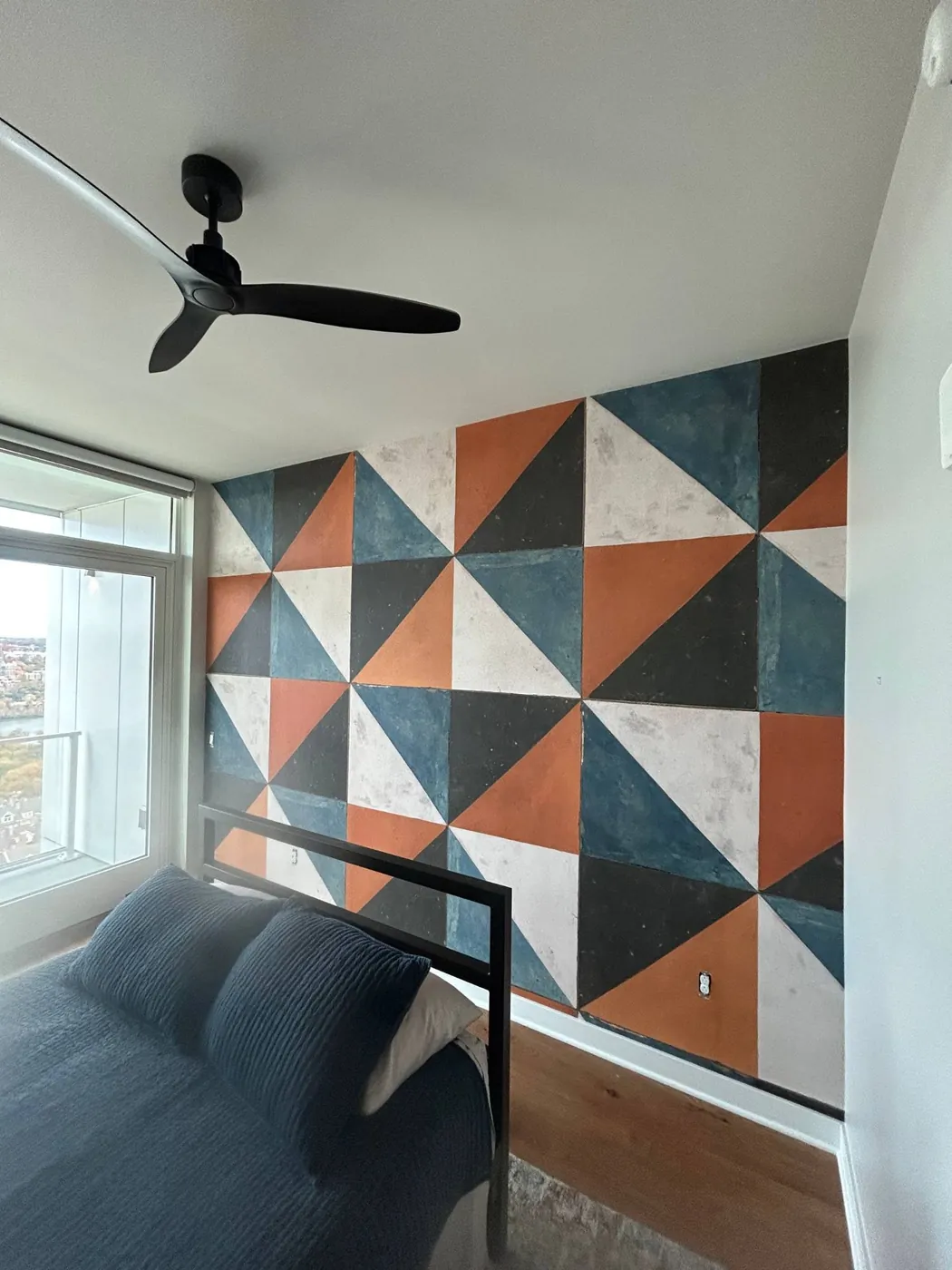
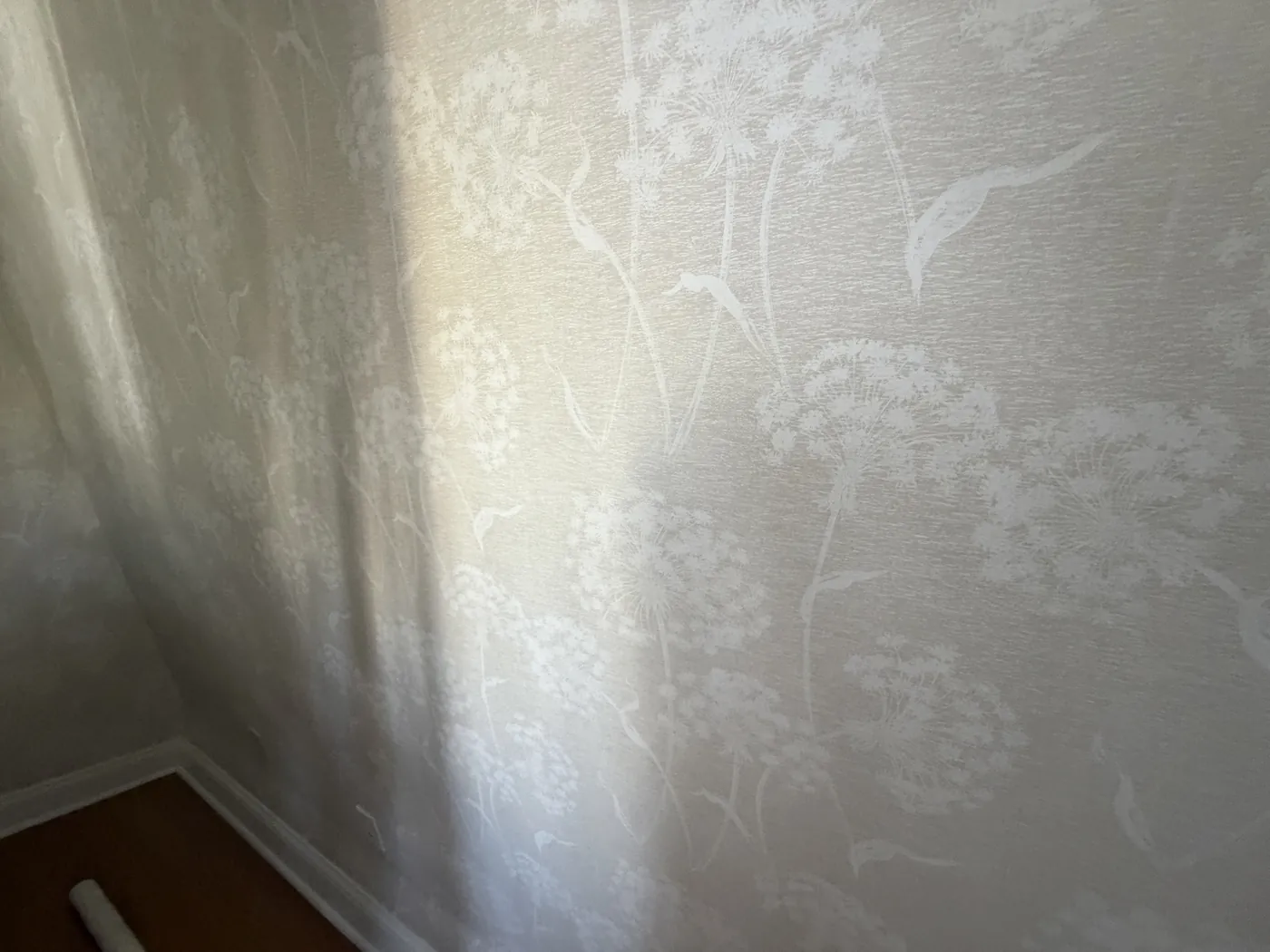
New York City, Long Island, Westchester County and northern New Jersey: Manhattan, Brooklyn, Long Island, The Hamptons, Westchester, Hoboken, Montclair.
Not for long-term use. It is quicker and easier to remove, but thinner and more likely to lift, bubble or open at the seams. Traditional wallpaper looks richer and lasts many times longer.
It can. On paint that has not cured or is poorly bonded, removing it can pull off paint or the paper face of drywall. On well-cured paint over primer, it usually comes off cleanly.
In a powder room without a shower it can work. In a bathroom with a tub or shower, steam weakens the adhesive, so a pasted vinyl or non-woven wallpaper over primer is more reliable.
Not well. The film only touches the high points of the texture and lifts over time. Skim coating the wall smooth fixes that for either type of wallpaper.
Usually a few years before edges or seams start to lift, depending on the wall, humidity and sun. Traditional wallpaper hung on a primed wall commonly lasts 15 years or more.
Many do. The labor is similar to traditional paper because the pattern still has to be matched and every cut made carefully. Send photos and we will tell you whether your walls suit it. See our <a href="peel-and-stick-wallpaper-installation">peel and stick installation</a> page.
Ready to start your project? Call, text or WhatsApp photos for a fast, free estimate. We reply within 30 minutes.
 ProKir