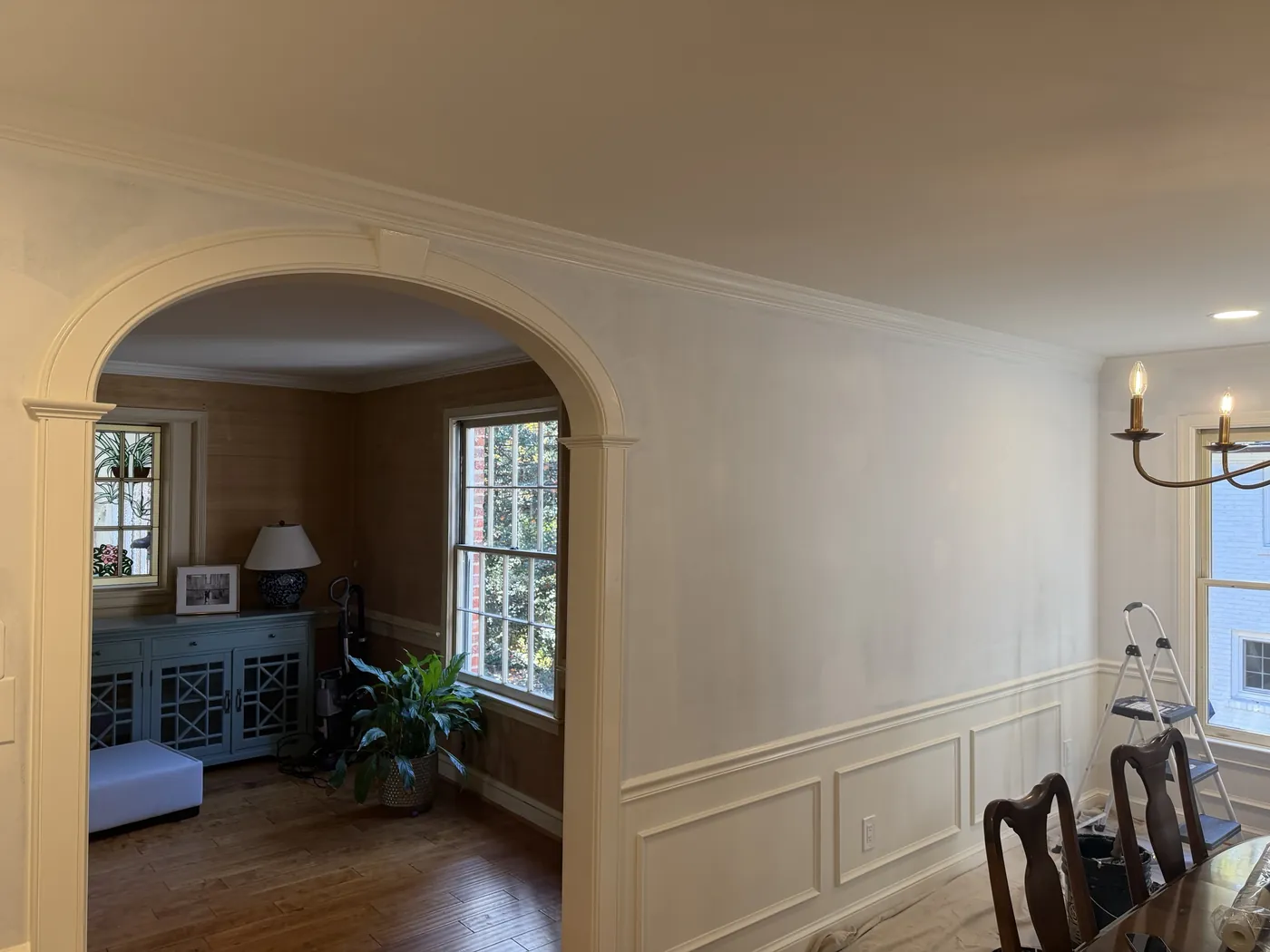
The method depends on what is on your wall. Here is how we test it, take it down and leave the wall ready for paint or new wallpaper.
We reply within 30 minutes: call, text or WhatsApp
Peel off what comes off dry, then soak or steam the rest and scrape it at a low angle. Start by testing a corner: strippable paper peels off in one piece, peelable vinyl leaves a paper backing that needs soaking, and traditional paper needs scoring and hot water or steam. Finish by washing every trace of glue off the wall and priming before you paint or re-paper.
Written by our installers from jobs we do every week. Prefer not to do it yourself? Send photos and we quote the job, usually within hours.
Lift a corner with a putty knife. If the whole sheet peels away, it is strippable. If only the top layer comes off, it is peelable. If it tears in small pieces, it is traditional paper.
Drywall and plaster react differently. Plaster tolerates water well; drywall that was never primed can tear when the paper comes off, so use less water and go slowly.
You will be spraying water near outlets and switches. Switch off the circuit at the breaker and remove the cover plates.
Plastic on the floor, tape along the baseboards, towels at the bottom of the wall. Wet paper and paste get everywhere.
In buildings from before 1978, paint under old wallpaper may contain lead. Avoid sanding and dry scraping and consider testing first.
A 4 to 6 inch scraper, a scoring tool, a garden or spray bottle, hot water, sponges, a bucket and, for stubborn paper, a wallpaper steamer.
| Type | How to tell | How it comes off |
|---|---|---|
| Strippable | Whole sheet peels off dry | Peel at a low angle, then wash off any paste left behind |
| Peelable (vinyl top layer) | Top layer peels, paper backing stays | Peel the face dry, then soak the backing and scrape it off |
| Traditional paper | Tears in small pieces | Score lightly, soak with hot water, wait 10 to 15 minutes, scrape |
| Painted-over paper | Paint film on top, water beads up | Score more, then steam; expect slow work and some wall repair |
| Grasscloth | Fibers on a paper backing | Peel the fibers off dry, then soak and scrape the backing |
Detailed guides: painted-over wallpaper, wallpaper on drywall and removing the glue. Rather not do it yourself? See our wallpaper removal service and the pricing guide. Wondering about timing? See how long installation takes. Hanging new paper afterwards? Read what walls you can wallpaper over and how to hang wallpaper. Paper on the ceiling? See removing wallpaper from a ceiling; painting instead? See painting over wallpaper.
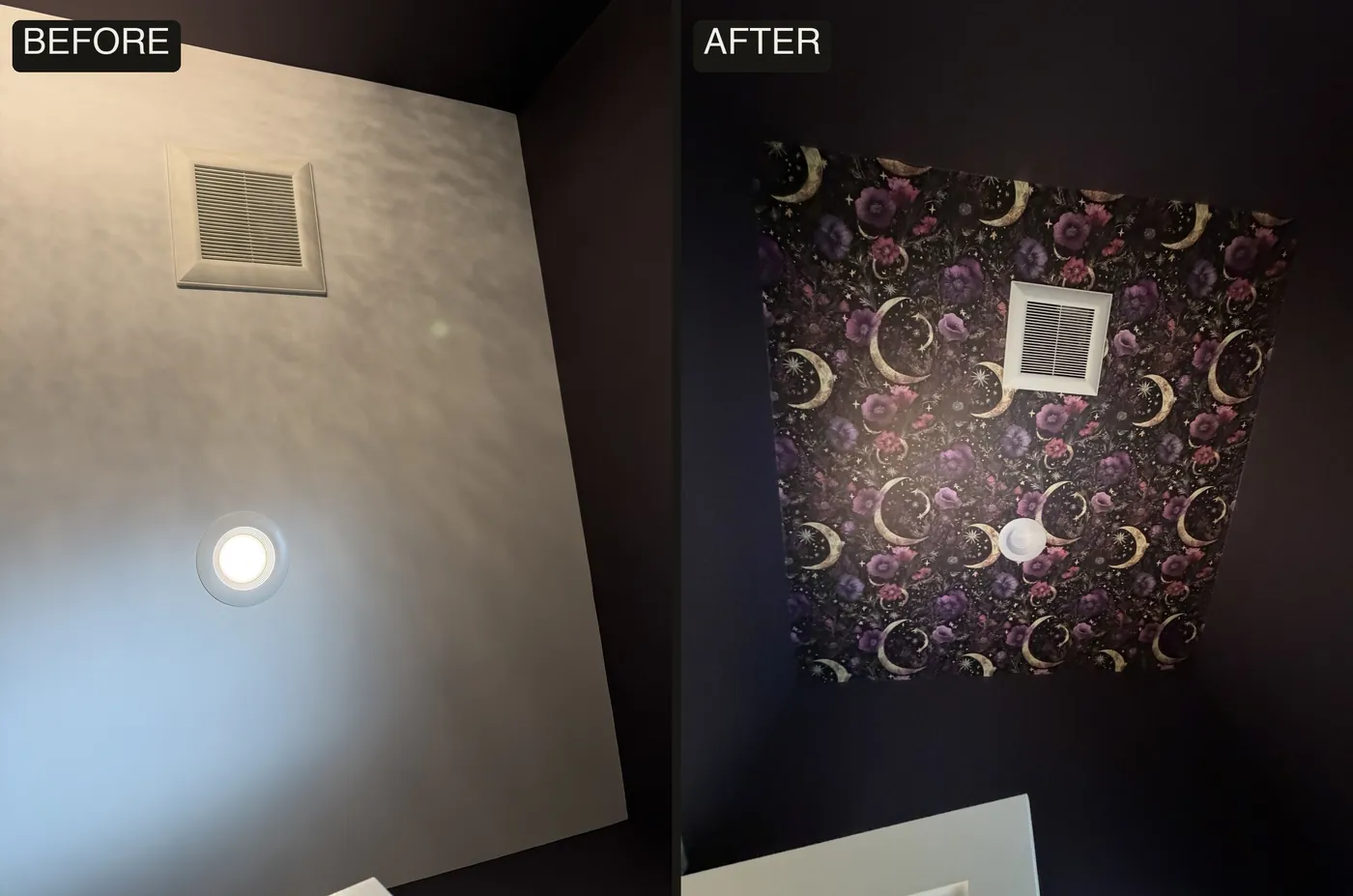
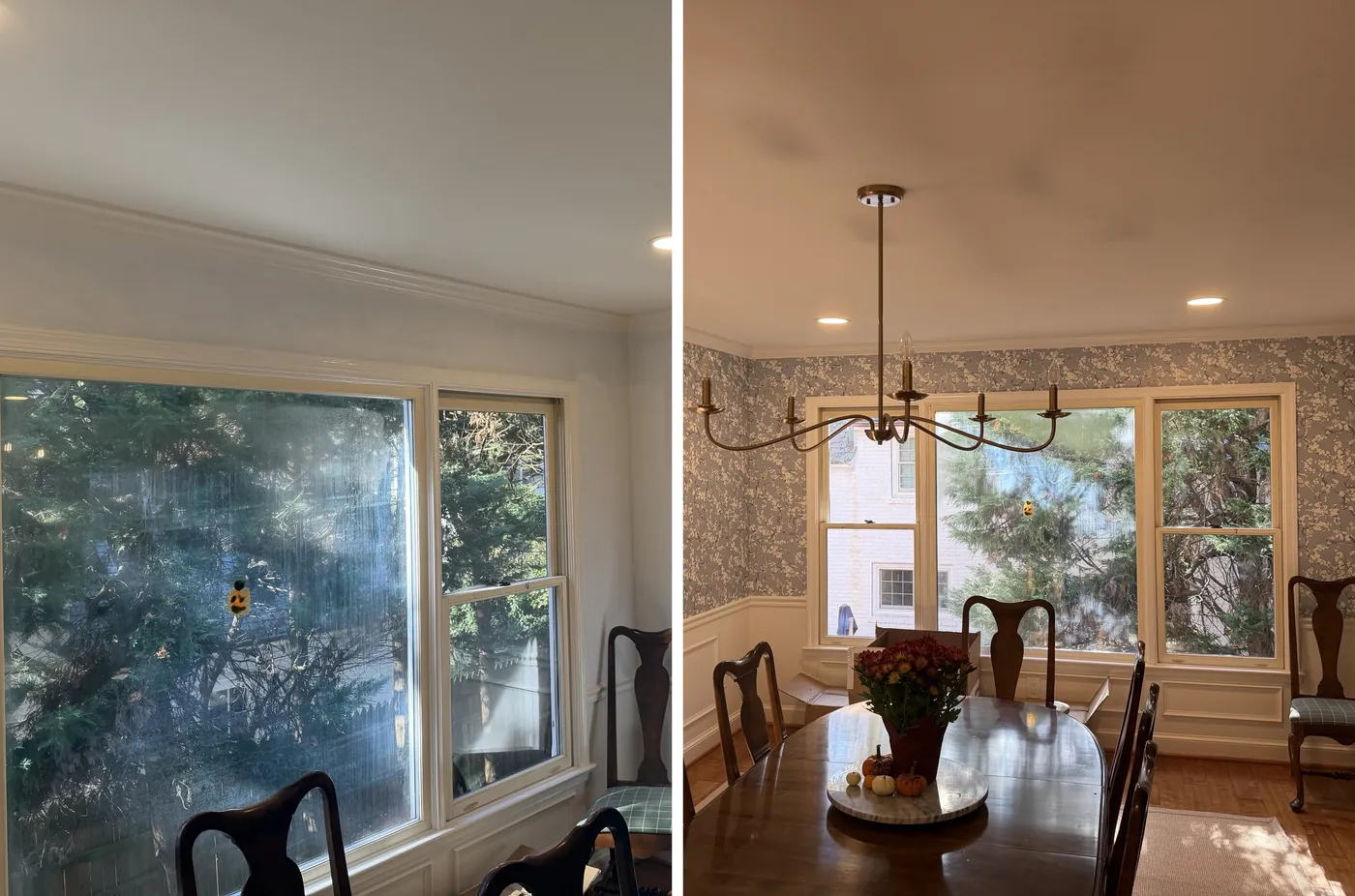
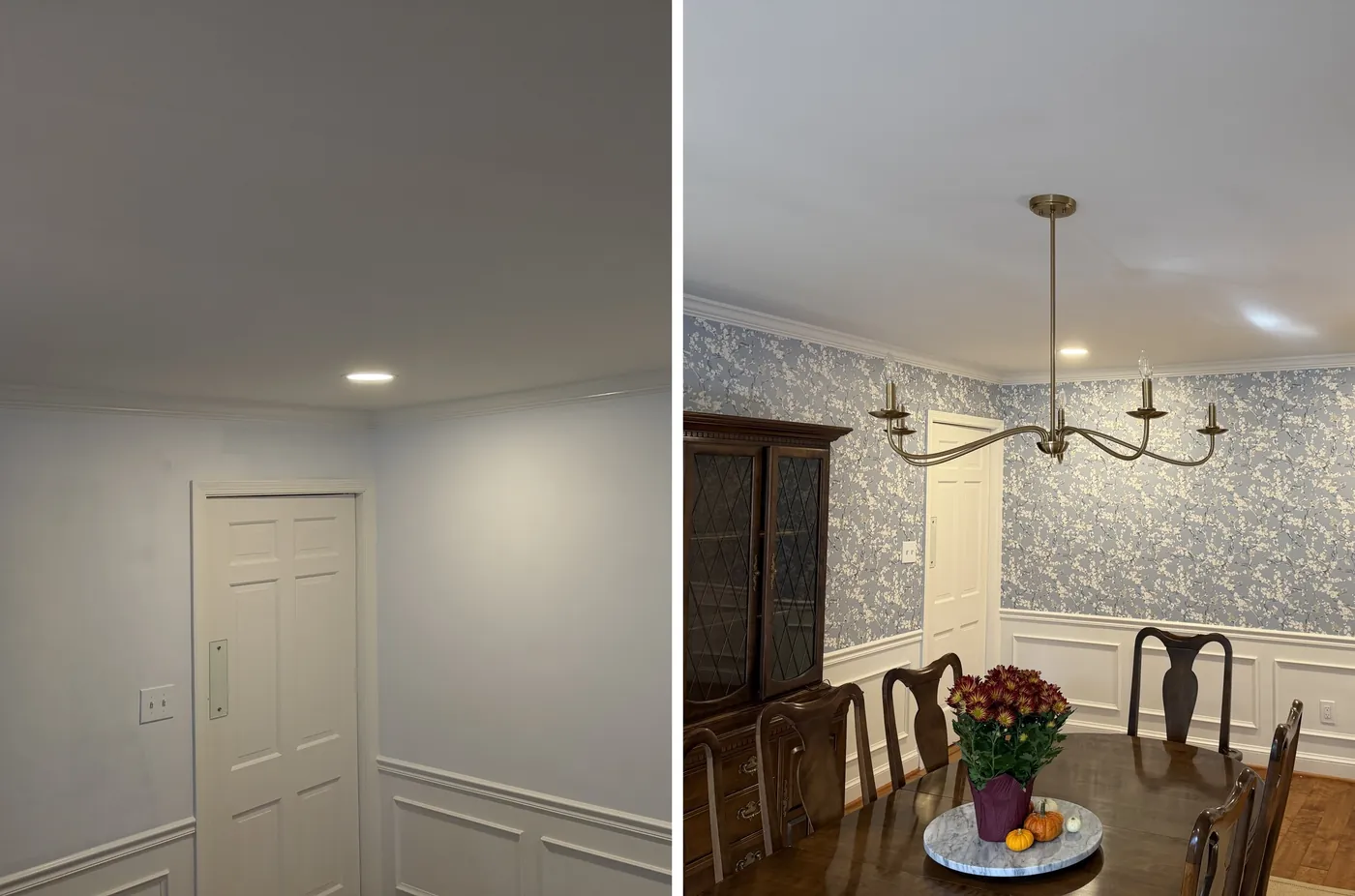
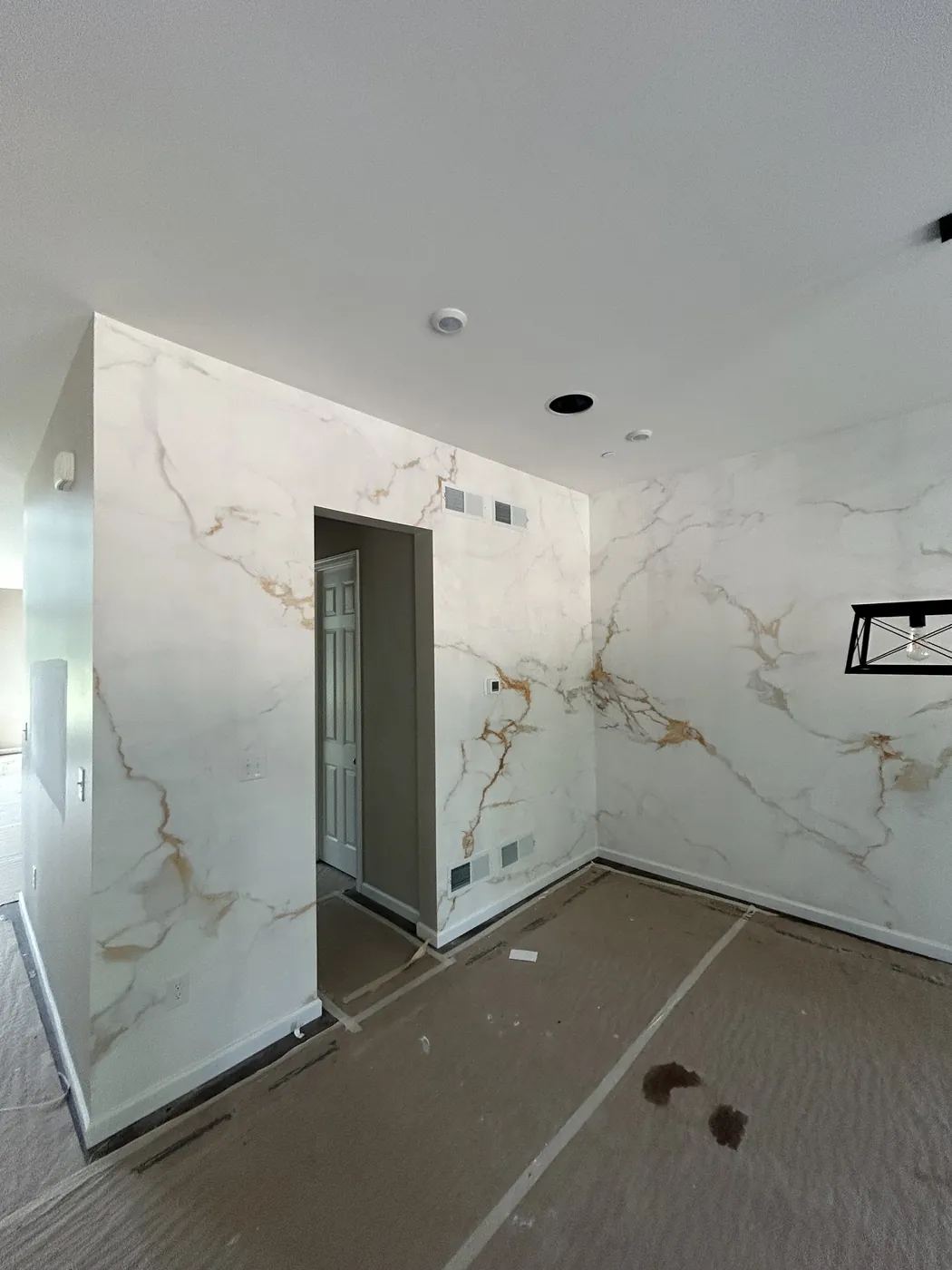
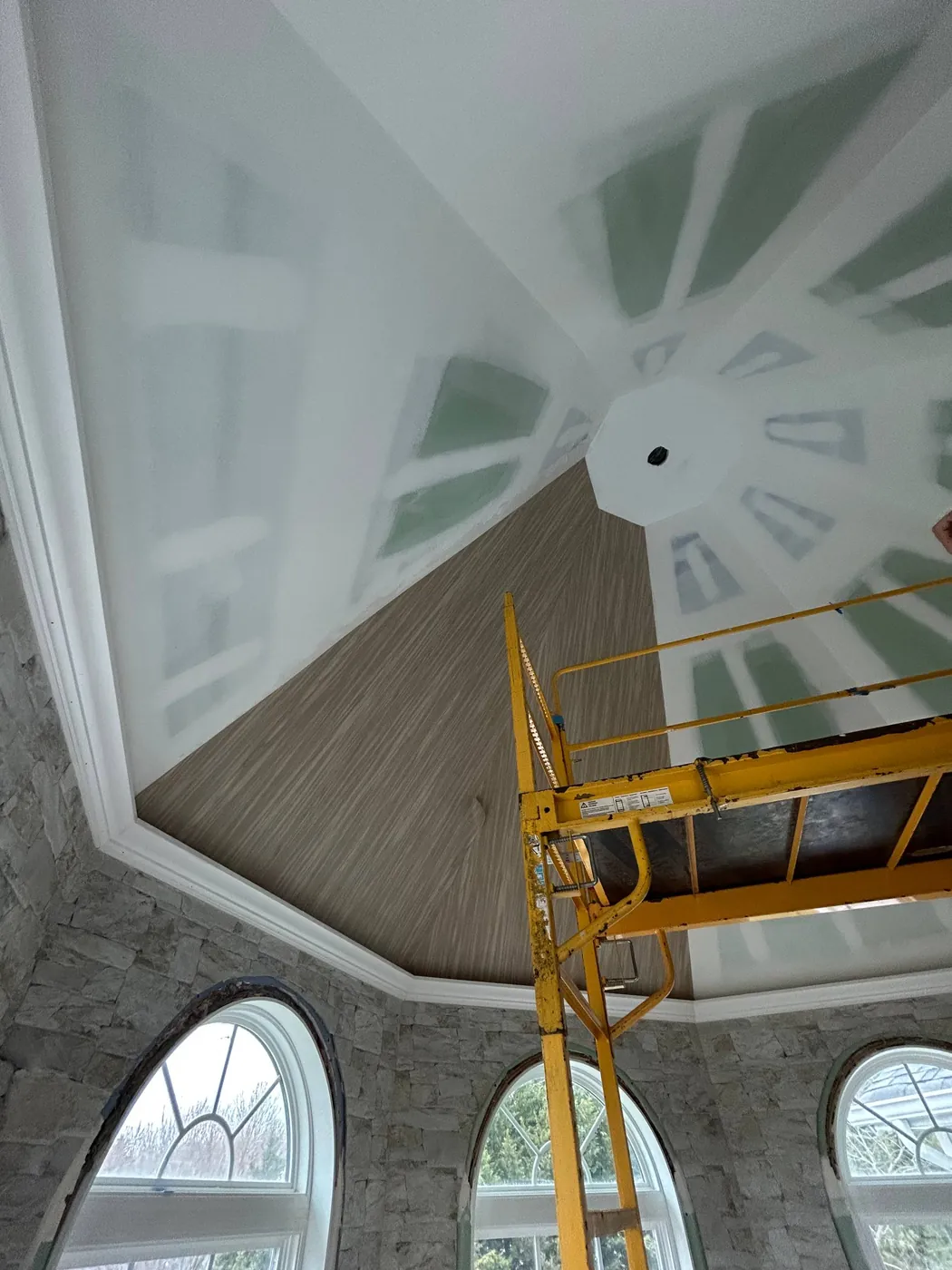
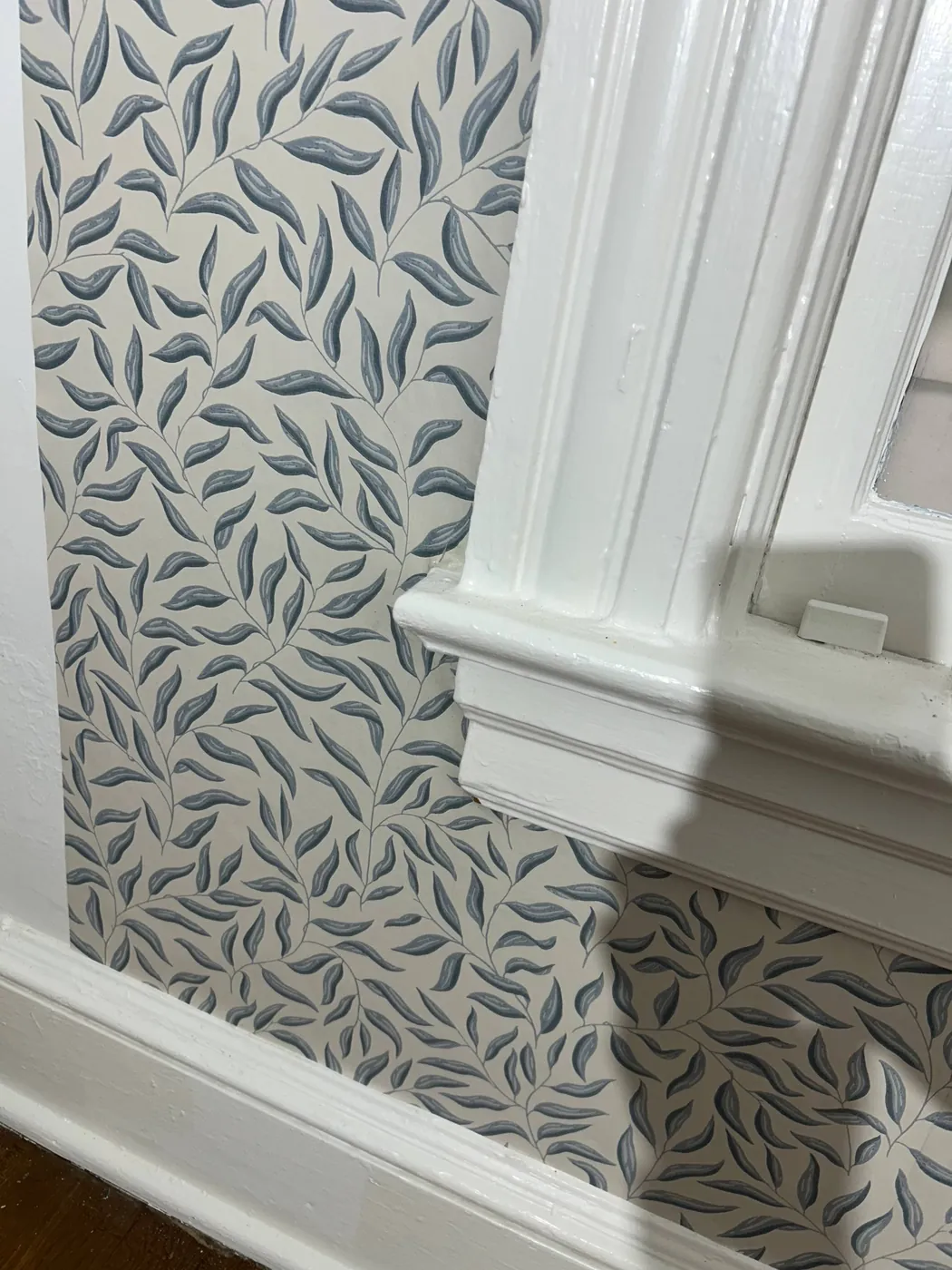
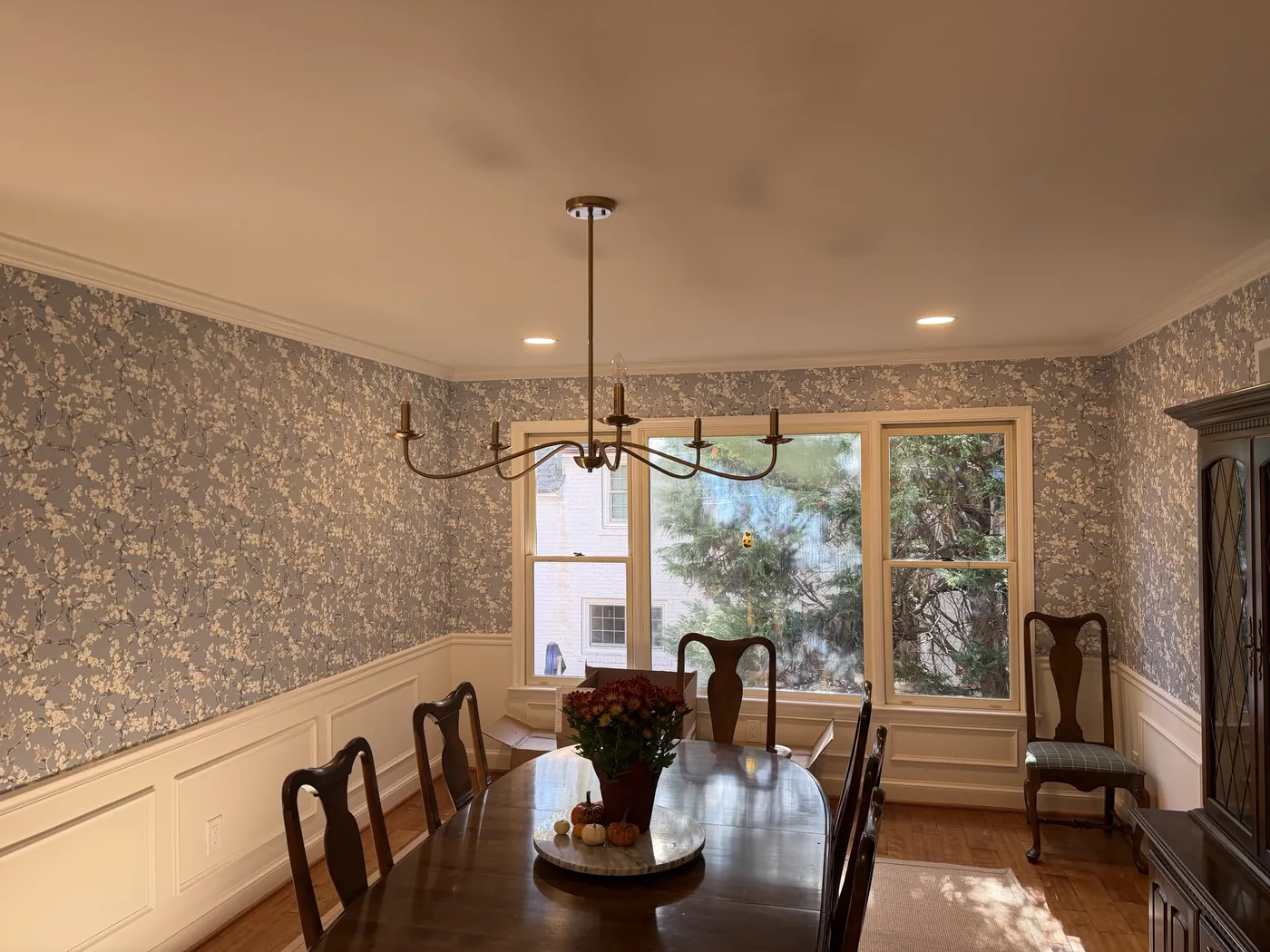
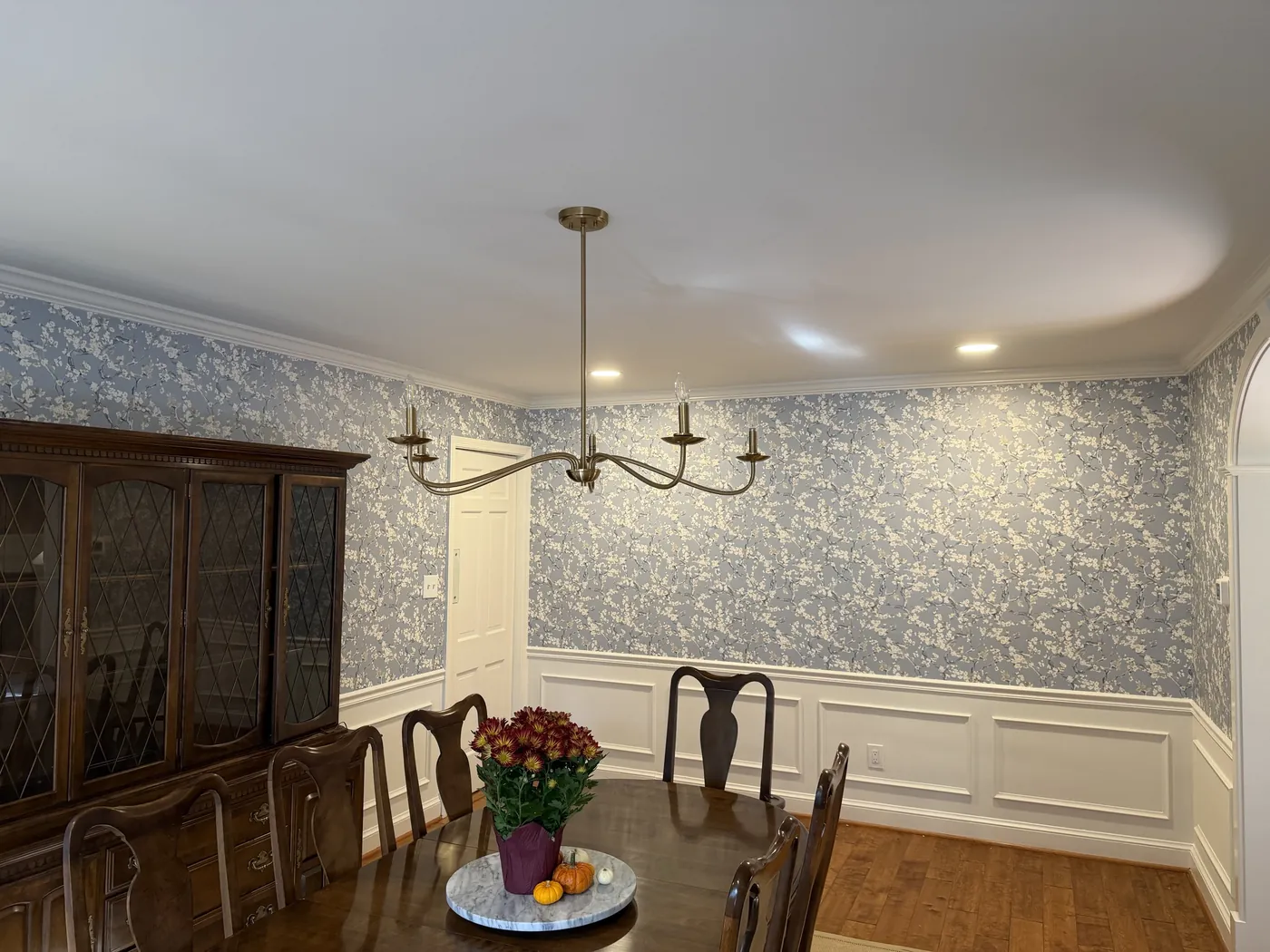
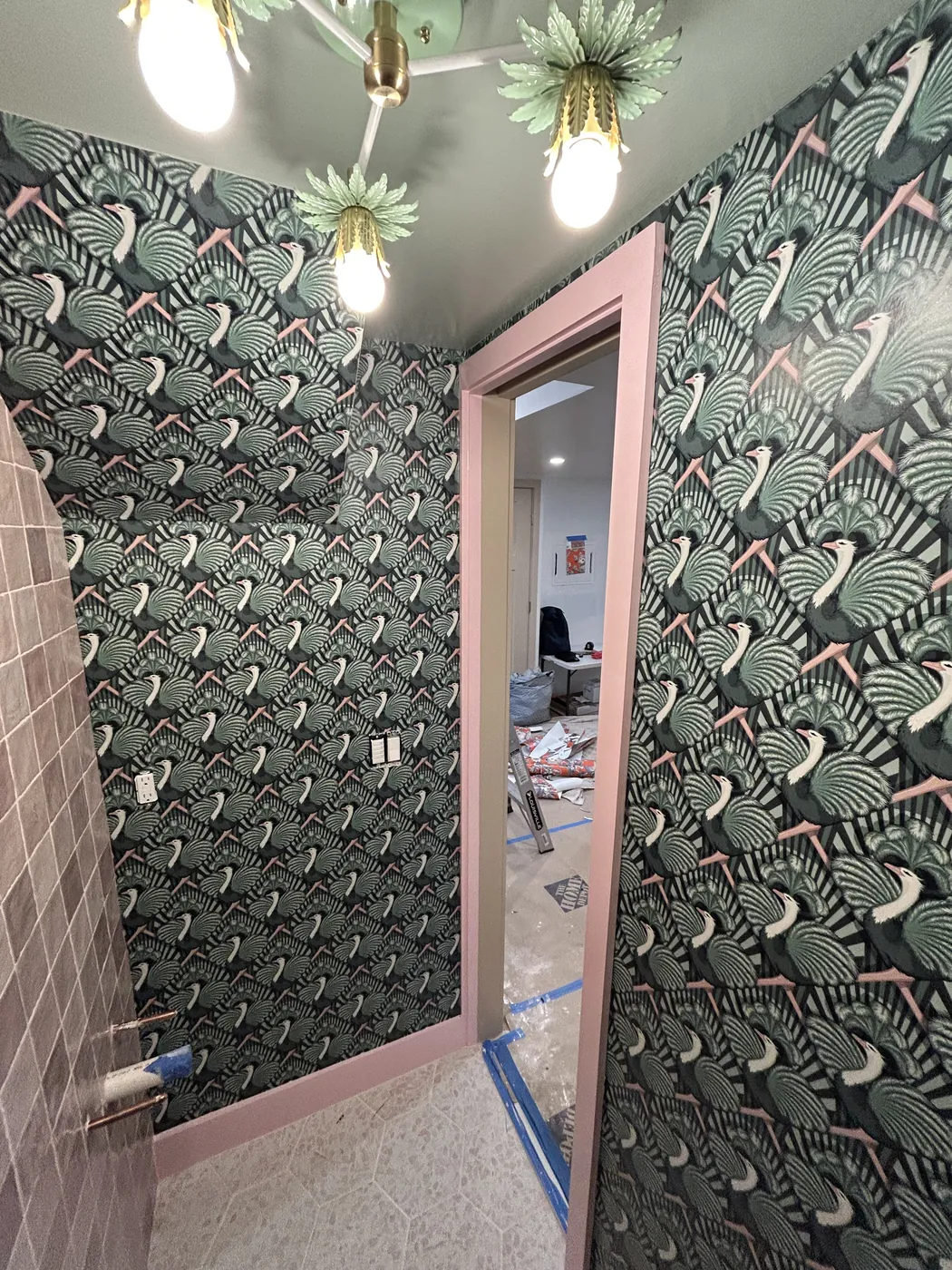
Selected projects from our portfolio. See all projects.
New York City, Long Island, Westchester County and northern New Jersey: Manhattan, Brooklyn, Long Island, The Hamptons, Westchester, Hoboken, Montclair.
Test a corner first. Strippable paper just peels off. For everything else, score lightly, soak with hot water or remover, wait 10 to 15 minutes and scrape at a low angle. A steamer speeds up stubborn or painted-over paper.
Both help water soak in, but hot water and time do most of the work. Commercial removers with enzymes help most on old paste. Whatever you use, let it sit long enough before scraping.
Scrub with hot water and a sponge, changing the water often, until the wall no longer feels slippery. Then let it dry and prime. Painting over leftover paste causes cracking and peeling.
It is possible on well-bonded paper sealed with an oil-based primer, but seams usually show through and moisture from paint can loosen the paper. Removing it gives a better and longer-lasting result.
That happens when paper was hung on unprimed drywall. Stop soaking that area, let it dry, seal the torn brown paper with a shellac or oil-based primer, then skim coat and sand. Water-based patching directly on torn drywall bubbles.
For a pro, about a day for a typical bedroom, plus drying time for repairs. Doing it yourself, plan a weekend, longer for painted-over or layered paper.
We typically charge $2 to $4 per square foot, more for painted-over or unprimed paper. See our wallpaper removal page for details.
Ready to start your project? Call, text or WhatsApp photos for a fast, free estimate. We reply within 30 minutes.
 ProKir